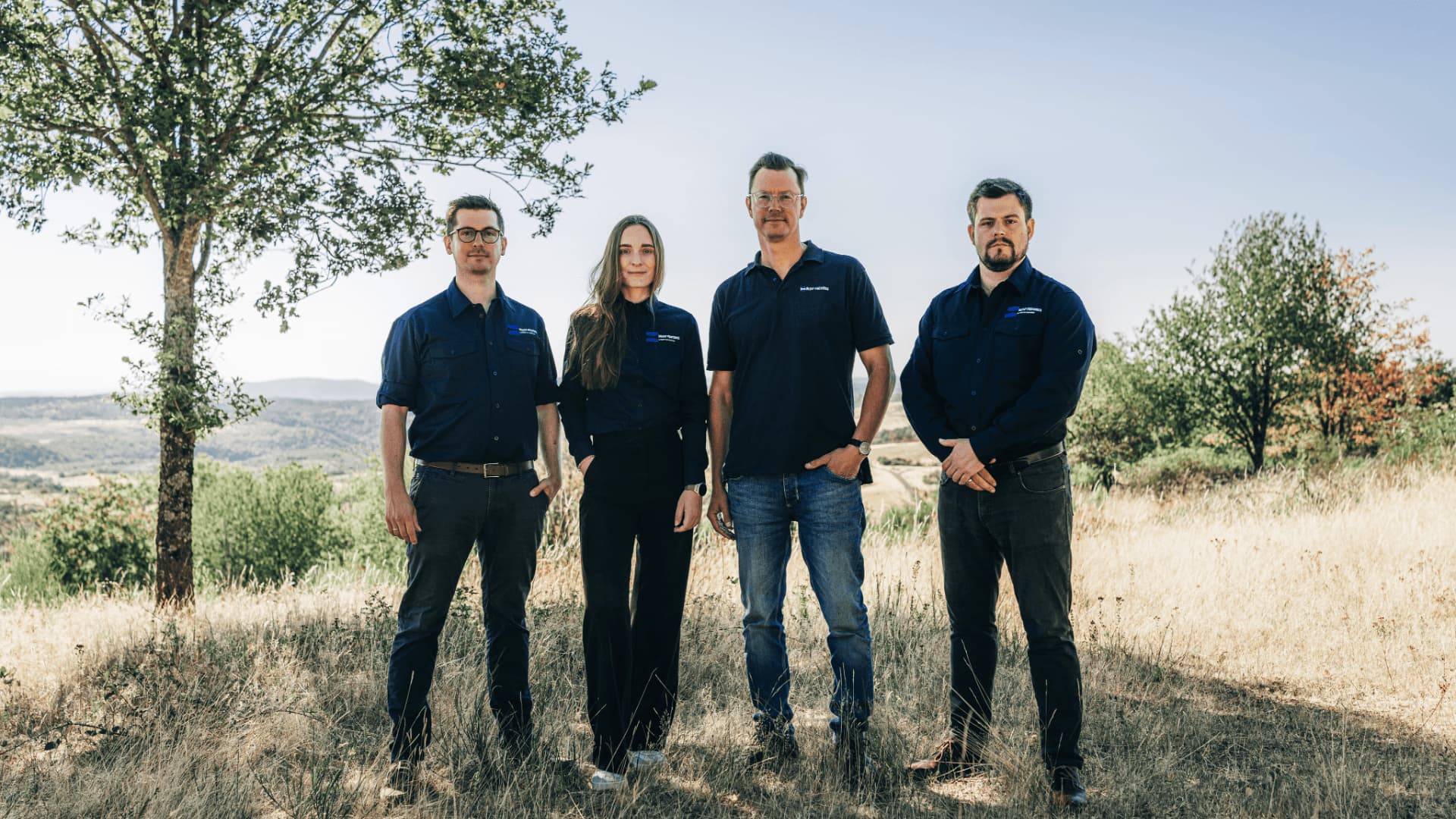
Comfyui - The Tool That Powers the World's First AI-Generated Super Bowl Ad Just Raised $30 Million at a $500 Million Valuation
Editorial Team
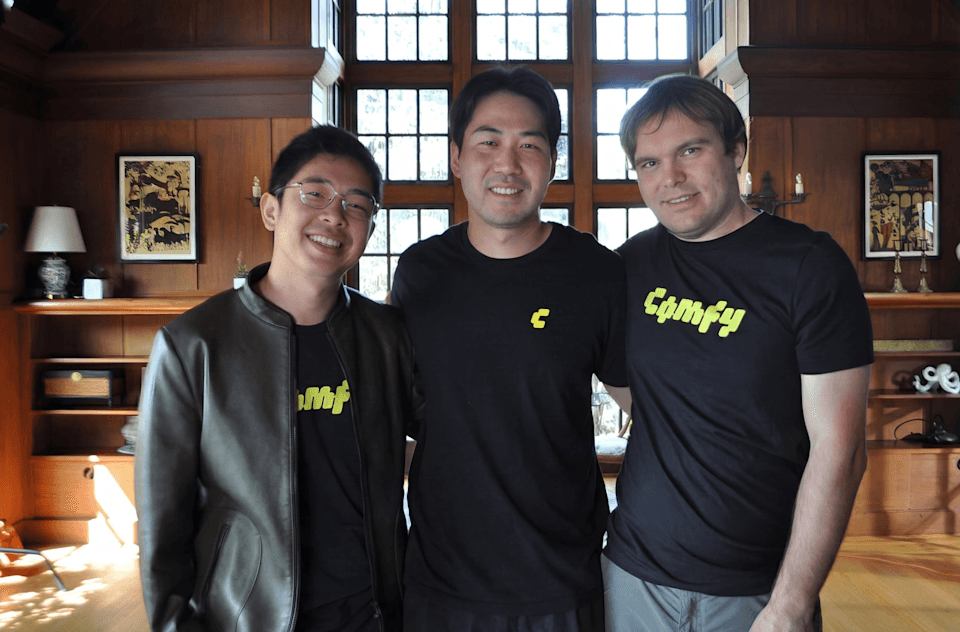
In early 2023, a single developer published an open‑source repository on GitHub. The images that AI models were generating at the time frequently had six fingers on each hand and other telltale distortions that made them immediately recognizable as machine‑made. The developer, Yannik Marek, was not building a company. He was building a tool that would give creators the kind of precise, step‑by‑step control over AI image generation that the existing prompt‑based interfaces simply could not provide.
Three years later, that repository has 4 million users, 60,000 community‑built nodes, and 150,000 daily downloads. It powered the SVEDKA 2026 Super Bowl commercial, the first primarily AI‑generated Super Bowl advertisement in history. And on April 24, 2026, ComfyUI, the company that grew out of that project, announced a $30 million financing at a $500 million valuation, led by Craft Ventures, with participation from Pace Capital, Chemistry, and TruArrow. Total funding now stands at $48 million, following a $19 million Series A in late 2024 from Chemistry Ventures, Cursor Capital, and Guillermo Rauch, the founder of Vercel.
The product problem ComfyUI was built to solve is one that anyone who has used a prompt‑based AI image generator has encountered. Yoland Yan, ComfyUI's co‑founder and CEO, described it directly to TechCrunch: "If you think about your typical prompt‑based solution, like Midjourney or ChatGPT, you ask for something, it gets only 60 to 80 percent there. But to change that remaining 20 percent, you have to try this slot machine." The slot machine analogy is apt. Prompting a model to adjust one element of an image can overwrite the parts that were already perfect, because the entire output is regenerated from the same starting point. There is no way to isolate and modify individual components.
ComfyUI's node‑based interface changes this fundamental relationship between creator and model. Instead of submitting a text prompt and receiving a complete image, creators build workflows by connecting individual processing nodes, each representing one step in the generation pipeline:
- An image generation node produces the initial output from a base model.
- A depth estimator node analyzes the spatial structure of the result.
- An inpainting node lets the creator modify specific regions without affecting the rest.
- LoRA nodes inject fine‑tuned style or subject characteristics at specific points in the pipeline.
- ControlNet nodes impose structural constraints like pose, edge detection, or depth maps.
When the workflow is complete, it lives as a portable JSON file that can be shared, versioned, and reproduced exactly. A VFX freelancer can build a texture synthesis pipeline that processes hundreds of assets overnight. A concept artist can chain generation, depth estimation, and inpainting passes so every iteration preserves geometry while exploring style. An ad studio can produce a major brand campaign with the same workflow reproducibility that a software engineer expects from version‑controlled code.
The SVEDKA Super Bowl campaign is the most visible demonstration of what that workflow reproducibility enables at professional production scale. Silverside AI, the agency that developed the ad, used ComfyUI to achieve the kind of precise creative control and consistent quality across dozens of iterations that traditional AI generation tools cannot provide.
The broader production landscape confirms that ComfyUI has crossed from enthusiast project to professional infrastructure. The company reports that "ComfyUI artist or engineer" now appears as a job title on studio job postings, a signal that the tool has become a credential rather than just a capability.
Craft's Sean Whitney articulated the investment thesis with precision: "AI has fundamentally changed the creative process, and the best tools amplify human creativity rather than replace it. Comfy's differentiator is their highly technical and rapidly growing community of more than 4 million users. It's become the open‑source standard for production‑grade creative AI workflows. The creative suite of the future will look nothing like the tools of the past. We believe it will look like Comfy."
Yannik Marek's statement at the announcement reflected the community‑first orientation that built the platform: "With this funding we can make sure open source wins." The company's explicit commitment that ComfyUI will remain open, that users will always be able to run it on their own machines and on their own terms, addresses the concern that has historically accompanied open‑source projects attracting institutional capital: that commercialization eventually comes at the expense of the community that made the project worth commercializing.
Scott Belsky, the founder of Behance, offered the most useful external characterization of what ComfyUI represents in the broader creative AI market: "Comfy has innovated a new and powerful ecosystem for creativity without compromising creative control. It has been amazing to watch technical artists and curious creative minds leverage Comfy to explore the full surface area of their ideas." The $30 million will accelerate product development, expand the ecosystem, and fund new features designed to make the platform more accessible without reducing its flexibility.
Yan's read on the market's direction is the one that makes the most sense in light of where AI generation is heading: "In the world where AI slop is going to be everywhere, the Comfy version of human‑in‑the‑loop approach is going to win out most of the eyeballs in the end."
More at comfy.org
Stay informed
Startup news in your inbox
Get important funding rounds, founder stories, and startup updates.
No spam - only important startup updates.