Kin Health Raises $9M to Build the AI Notetaker That Finally Puts Patients First
Editorial Team

Every year, Americans make roughly one billion trips to see a physician. They sit in waiting rooms, navigate rushed appointments, absorb complicated medical information under stress, and then walk out the door with no reliable record of what was actually said. Most leave relying entirely on memory, and memory in high‑stress clinical settings is notoriously unreliable.
That is the problem Kin Health was built to solve. On May 18, 2026, the Los Angeles‑based startup announced a $9 million seed funding round led by Maveron, with participation from Town Hall Ventures, Flex Capital, Eniac Ventures, The Family Fund, Pear VC, Watershed Ventures, and Foundry Square Capital. Individual investors include GoodRx co‑founders Doug Hirsch and Trevor Bezdek, along with angels Jay Desai, Nabeel Quryshi, Alex Cohen, and Saharsh Patel. More than 30 practicing physicians also contributed to the round.
The lineup of backers is notable. GoodRx built its business by making prescription drug pricing transparent and accessible to ordinary patients, not to institutions. Having two of its founders directly invest in Kin Health signals alignment with that same consumer‑first philosophy.
Who Built Kin and Why
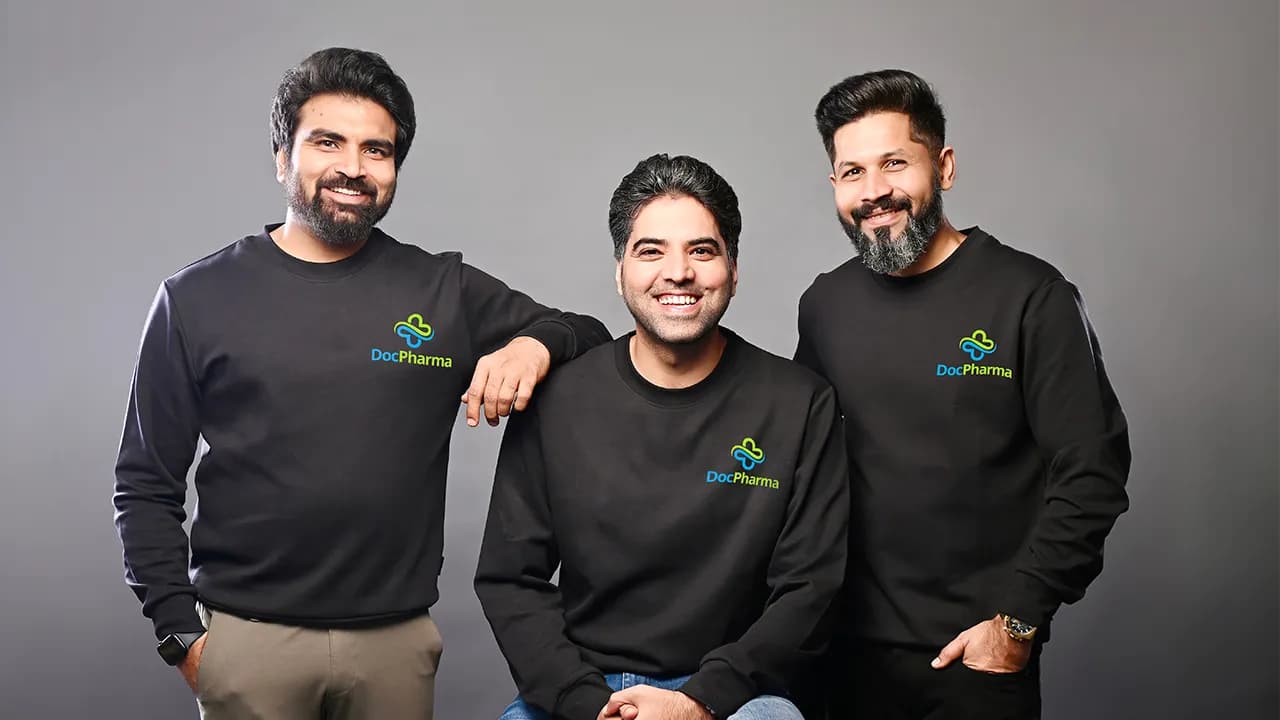
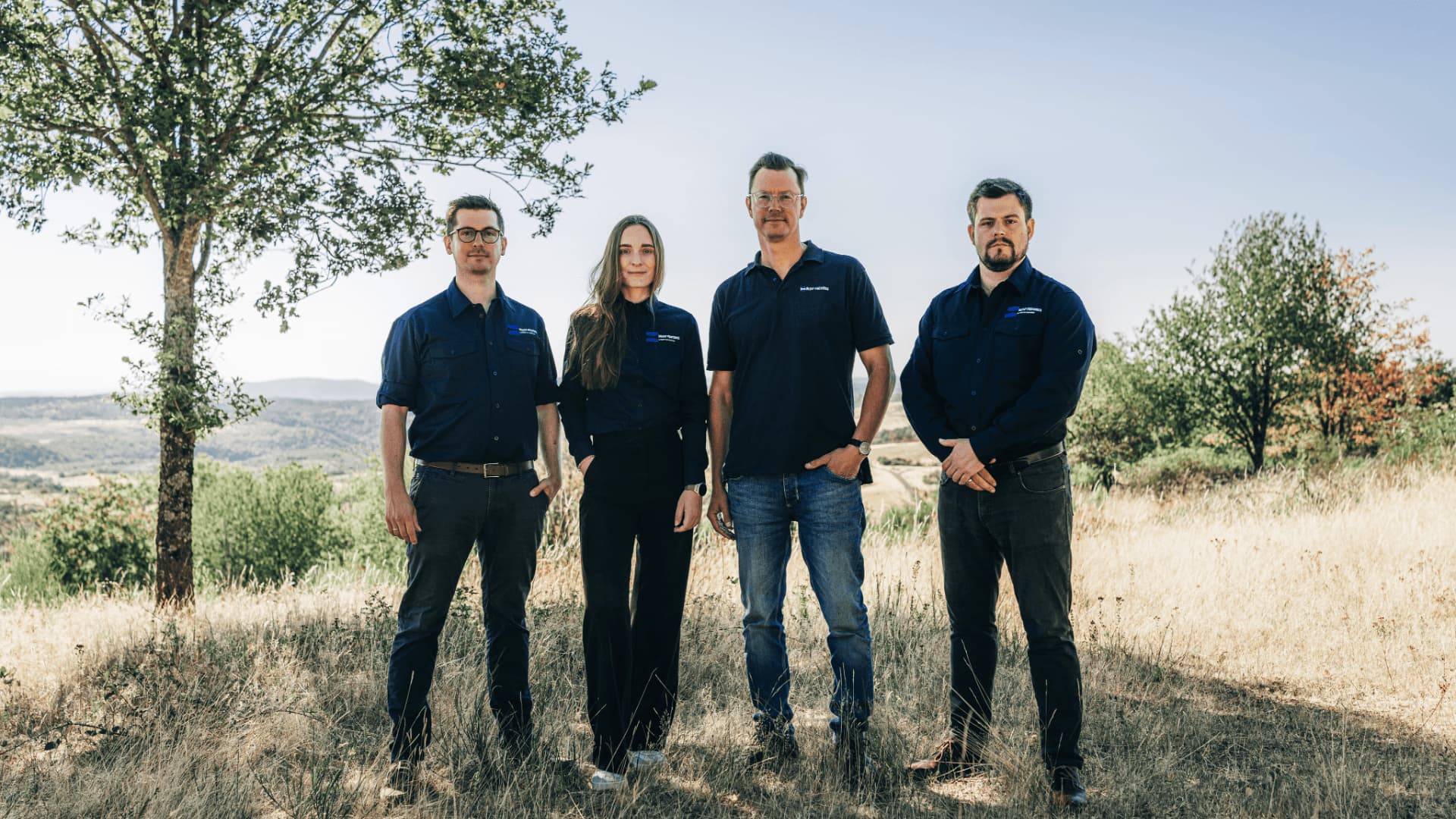
The founding team sits at an unusual intersection of clinical medicine and consumer software. Kin was co‑founded by physicians Arpan and Amit Parikh alongside Kyle Alwyn, who previously built HeyDoctor, an online prescription service that was later acquired by GoodRx. The founders include Doug Hirsch and Trevor Bezdek themselves as co‑founders, connecting the company directly to the consumer health infrastructure GoodRx helped establish.
That combination of practicing clinicians and experienced health tech builders is not accidental. Building a patient‑facing medical tool requires understanding both what happens in the room during a visit and how ordinary people interact with consumer apps outside clinical settings. Neither perspective alone is sufficient. The founders of Kin Health have both.
The company is headquartered in Los Angeles and launched its free app earlier this year.
What the App Actually Does
Kin Health works like a meeting notetaker, but designed for the doctor's office rather than the conference room. The core flow is simple:
- Open the app and begin recording at the start of a medical visit
- Kin transcribes the conversation in real time
- After the visit, the app returns a plain‑language summary of what was discussed
- That summary includes next steps, follow‑up actions, and key recommendations from the physician
- Patients can share the summary with family members, caregivers, or other providers directly from the app
- The app also lets users write down questions ahead of an upcoming appointment, keeping them organized before they even walk in
The result is something that has never existed at scale before: a personal record of what your doctor actually told you, in language that makes sense, accessible whenever you need it.
Over time, Kin intends to build a longitudinal health record from these visit recordings, one that travels with the patient across different specialists, hospital systems, and providers. This is a structural advantage that Maveron partner Natalie Dillon highlighted directly. Provider‑side tools are built to serve the institution and the electronic health record system. Kin is built to serve the patient, carrying their record wherever they go regardless of which network or system their physician uses.
The Market Kin Is Entering
The ambient scribing category has grown quickly. Tools like Abridge, Freed, and Heidi Health have shown strong demand for AI that can capture and summarize physician‑patient conversations. But every one of those tools is built for the clinician side of the interaction. They reduce physician documentation burden, lower administrative overhead, and help practices operate more efficiently. The patient in those workflows is essentially a bystander whose conversation is being processed for someone else's benefit.
Kin Health occupies a different position entirely. The target user is not the doctor. It is the person sitting across from the doctor, often dealing with a difficult diagnosis, a chronic condition, a new medication, or a confusing treatment plan.
The broader AI notetaking market generated over $600 million in revenue last year according to a Menlo Ventures report, a figure that has grown more than twice as fast year over year as the healthcare AI category has expanded. Despite that growth, no consumer‑first patient product has captured meaningful scale in this space.
Privacy, Accuracy, and the Hallucination Problem
Medical AI tools carry stakes that generic notetakers do not. A missed next step or an inaccurate summary can lead to a patient skipping a prescription refill, misunderstanding a test result, or delaying follow‑up care.
Kin Health encrypts all patient data and keeps summaries private by default. The app is not HIPAA‑certified because HIPAA certification applies to covered entities and their business associates, a category that patient‑facing consumer tools typically fall outside of. The company says it adheres to the same privacy standards, however.
On the accuracy question, the company is working to ensure the transcription system handles regional accents, muffled audio from masks, and patients who may be speaking with compromised voices due to illness. These are edge cases that other AI transcription tools have struggled with historically.
Dr. Rebecca Mishuris, chief health information officer and VP at Mass General Brigham, noted in comments to TechCrunch that AI‑generated clinical notes carry a real hallucination risk, and that physician review before signing any documentation remains essential. For a patient‑facing product like Kin, that review layer is the patient themselves rather than a clinician, which raises its own considerations around health literacy and the varying ability of patients to identify errors in medical summaries.
What Comes Next
The $9 million seed round will fund the development of additional features the company has already previewed. Later this year, Kin plans to integrate data from electronic health record systems, allowing the app to pull in physician notes alongside the recordings it captures directly. That integration would give patients a more complete picture of their care history in one place.
The company also plans to expand its capacity to work across different clinical environments, specialty care settings, and international accent profiles.
Natalie Dillon of Maveron framed the founding team's positioning clearly when she noted that the gap Kin is addressing, a reliable record of what was said at every physician visit, is the most universal friction point in healthcare. It affects every patient, every appointment, every health system, regardless of where a person lives or what they can afford.
The app is free. That pricing choice is deliberate and mirrors the access‑first philosophy behind GoodRx. Making the tool available without a paywall removes the income‑based barrier that would otherwise limit who benefits from it.
Stay informed
Startup news in your inbox
Get important funding rounds, founder stories, and startup updates.
No spam - only important startup updates.