New Dawn Bio Raises €2.1 Million to Grow Premium Wood in Bioreactors Without Cutting a Single Tree
Editorial Team
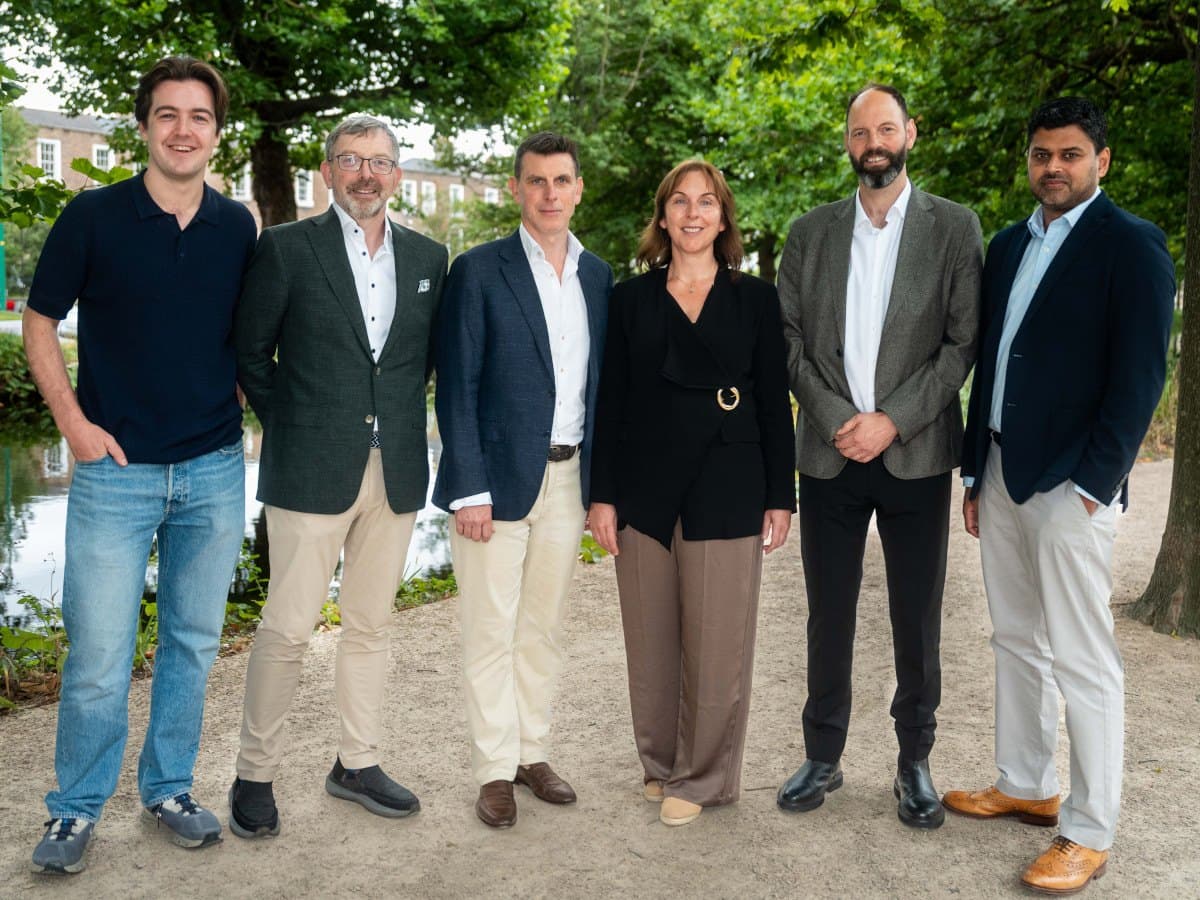
New Dawn Bio, the Dutch deeptech startup developing what it claims is the world's first commercially viable cultured wood technology, has closed an oversubscribed €2.1 million pre‑seed funding round led by Amsterdam‑based CapitalT. The round also drew participation from Norrsken Evolve, the impact‑focused early‑stage fund of the Norrsken Foundation established by Klarna co‑founder Niklas Adalberth, and Ontdekkers Group, alongside a group of prominent angel investors including Jelle Prins, co‑founder of Cradle, the AI‑native biology platform.
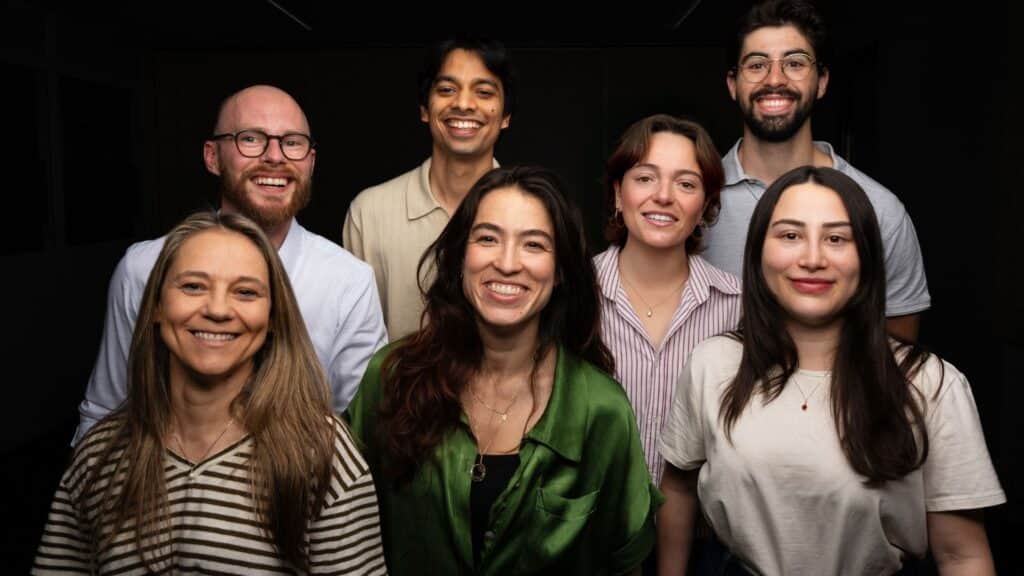
The capital will be used to advance product development of New Dawn Bio's cultured wood technology and to expand the company's interdisciplinary research and development team, which operates at the intersection of cell biology, materials engineering, physics, and process engineering. The team combines expertise in plant biotechnology, biopolymer science, and bioreactor engineering.
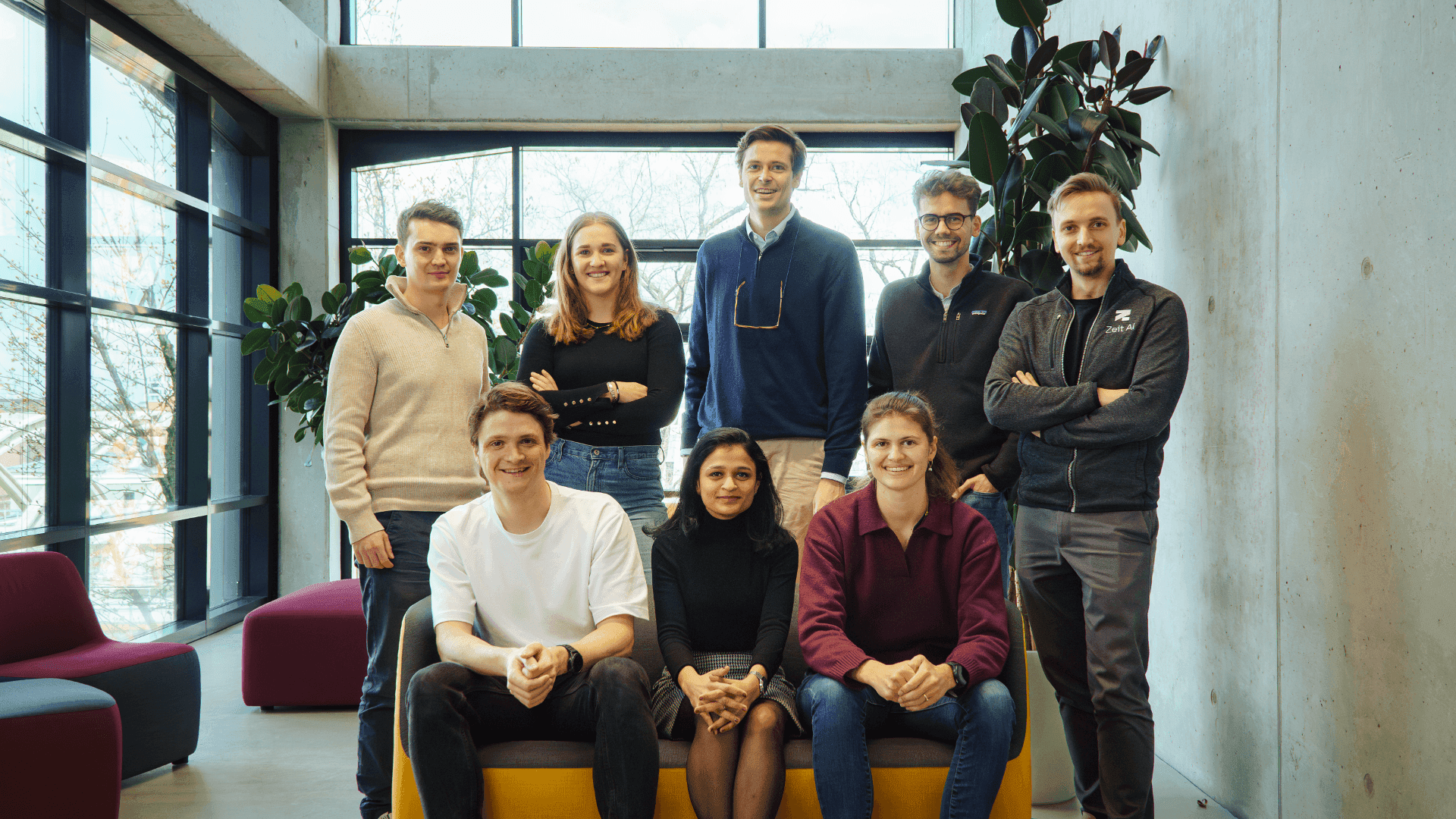
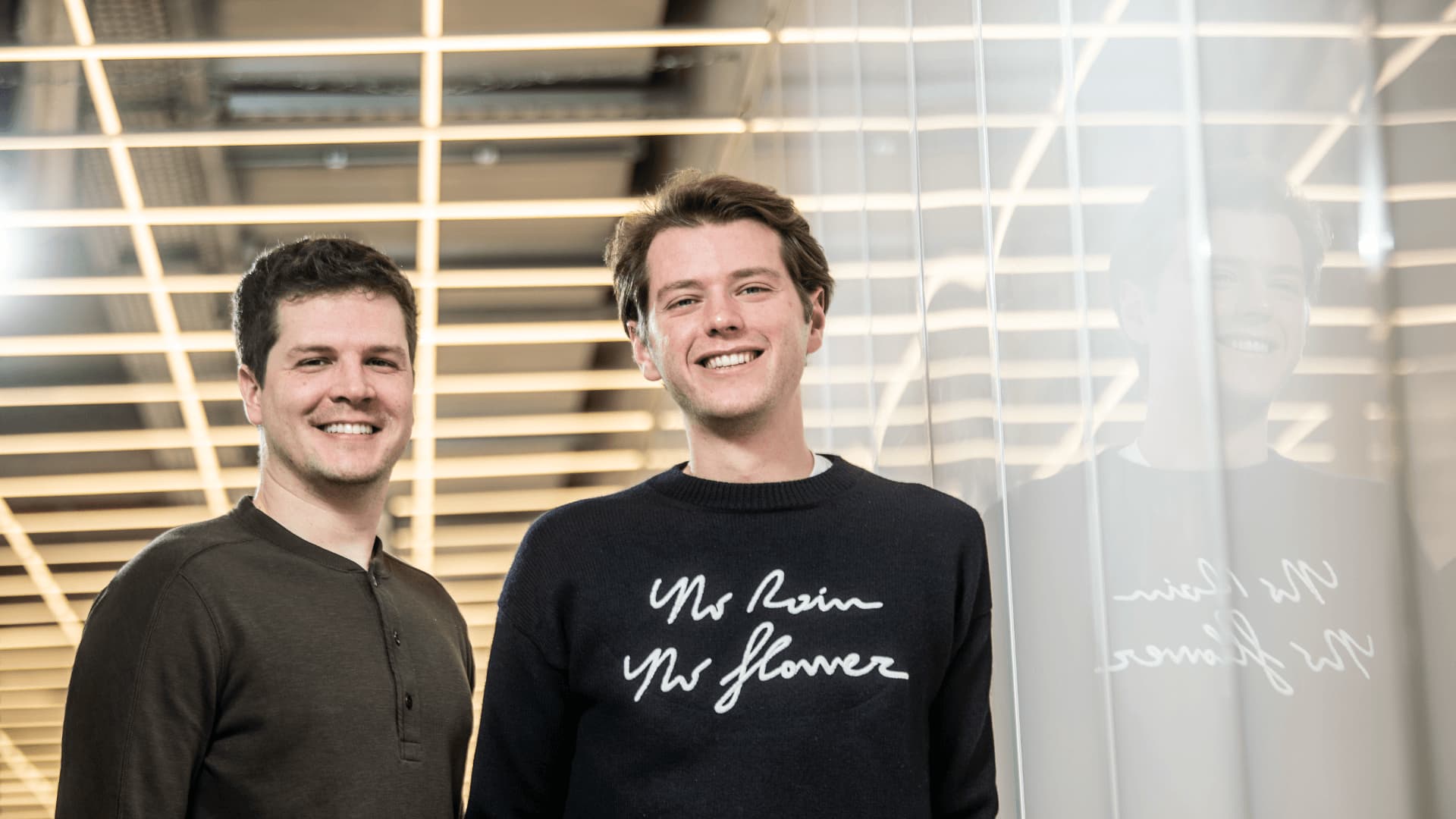
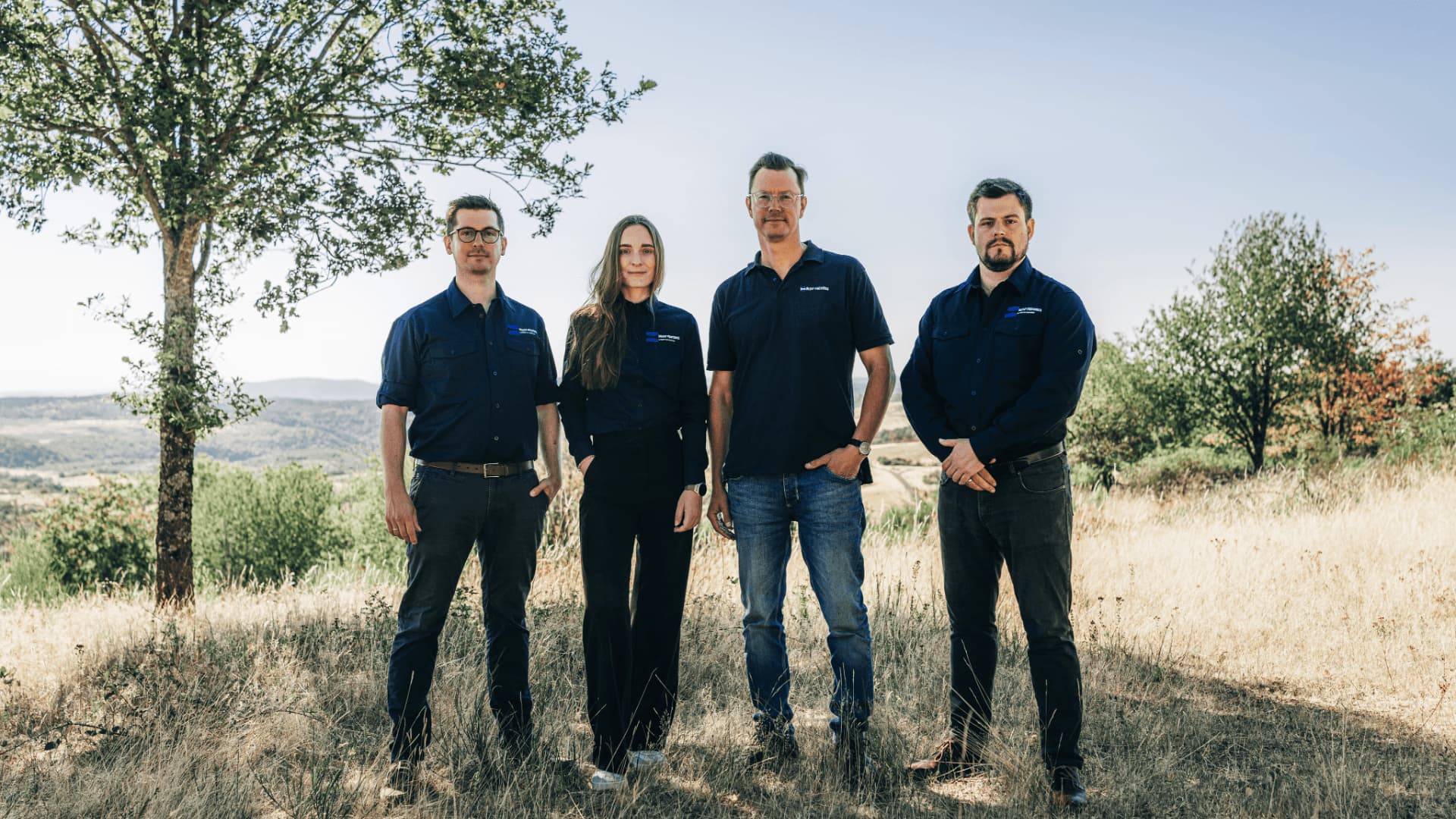
The company was founded in 2024 by Tom Clement and Kianti Figler, and has operated from Wageningen Campus since September 2023. Wageningen University and Research Centre is Europe's leading agricultural science institution, providing an unusually strong local ecosystem of plant biology researchers, advisers, and potential collaborators. Prior to the CapitalT‑led round, the company had received early support from the Biomimicry Institute, StartLife, and Norrsken Evolve.
Why Wood, and Why Now
The global demand for wood is not slowing. Wood is used in construction, furniture, packaging, flooring, instruments, and hundreds of industrial applications. Demand from the construction sector alone is growing as architects and developers increasingly specify mass timber as a sustainable alternative to concrete and steel in large commercial buildings. The supply of wood, however, is constrained by biology and geography in ways that are not easily engineered away: a tree takes decades to reach the size required for structural timber. Forests cannot be expanded quickly enough to meet the accelerating demand without significant pressure on primary and secondary forest areas.
The deforestation cost of the global timber economy is measurable. Approximately 10 million hectares of forest are lost each year globally, with a meaningful share attributable to commercial logging rather than land‑use change alone. The loss of forest cover has cascading consequences for biodiversity, carbon sequestration, local hydrology, and the communities whose livelihoods depend on forest ecosystems.
New Dawn Bio's founding insight is one that Clement articulated as a question he posed during his studies in bioinformatics and systems biology: why grow an entire organism when you only use a small part? A timber tree spends decades building roots, bark, leaves, and metabolic machinery, and humans harvest a narrow slice of it. Cell culture technology, which has already been applied to cultivated meat and cultivated leather, offers a route around that inefficiency.
The Technology: Tree Stem Cells in Bioreactors
The core of New Dawn Bio's platform is the isolation and cultivation of tree stem cells, the cells within a living tree that are responsible for generating wood tissue. When isolated and placed into a controlled bioreactor environment, these cells can be induced to proliferate and differentiate into wood material under conditions the company engineers rather than conditions that take decades to produce in a forest.
The company has already produced its first piece of cultured wood, described by Wageningen University researchers as resembling a mini postage stamp but with the structural properties of natural wood tissue. That proof of concept, published through a collaboration with WUR researchers including cell biologist Ruben van Spoordonk and plant cellular biologist Tijs Ketelaar, demonstrated that the biology of wood formation can be replicated outside a living tree. The commercial challenge now is scaling that process from a postage stamp to a plank.
New Dawn Bio is also a participant in the EUROSTARS‑funded BRANCH project, a partnership with the Luxembourg Institute of Science and Technology that is developing the first cultured wood prototype grown from tree plant cells in bioreactors. That project gives the company access to internationally funded research infrastructure and external scientific validation alongside its own proprietary development work.
The production model the company is building toward is envisioned as a licensing operation. Rather than owning and operating bioreactor facilities at global scale, New Dawn Bio intends to license its method and materials to manufacturing partners, an asset‑light model that could enable rapid geographic scaling without the capital intensity of building proprietary production infrastructure.
What makes the technology particularly compelling from a design and manufacturing perspective is its ability to produce pre‑shaped wood material. Natural wood comes in the shape of trees: round trunks that must be cut into rectangular boards and beams, generating significant waste in the process. Bioreactor‑grown wood can, in principle, be grown directly into the shape and specification required, eliminating the cutting waste and enabling geometries that natural timber cannot provide.
Janneke Niessen, Founding Partner of CapitalT, described cultured wood as having the potential to transform entire supply chains while making a meaningful contribution to the planet, and said the company had assembled a world‑class team tackling a problem that is both massive in scale and largely overlooked.
Clement put the founding vision plainly: wood has been a pinnacle to mankind for millennia, yet the industry has never found a better way than cutting rectangular boards and beams from round tree trunks. For the first time in history, he said, it is possible to grow pre‑shaped premium wood, and this funding makes it possible to turn that breakthrough into a product that industries can actually use.
Stay informed
Startup news in your inbox
Get important funding rounds, founder stories, and startup updates.
No spam - only important startup updates.