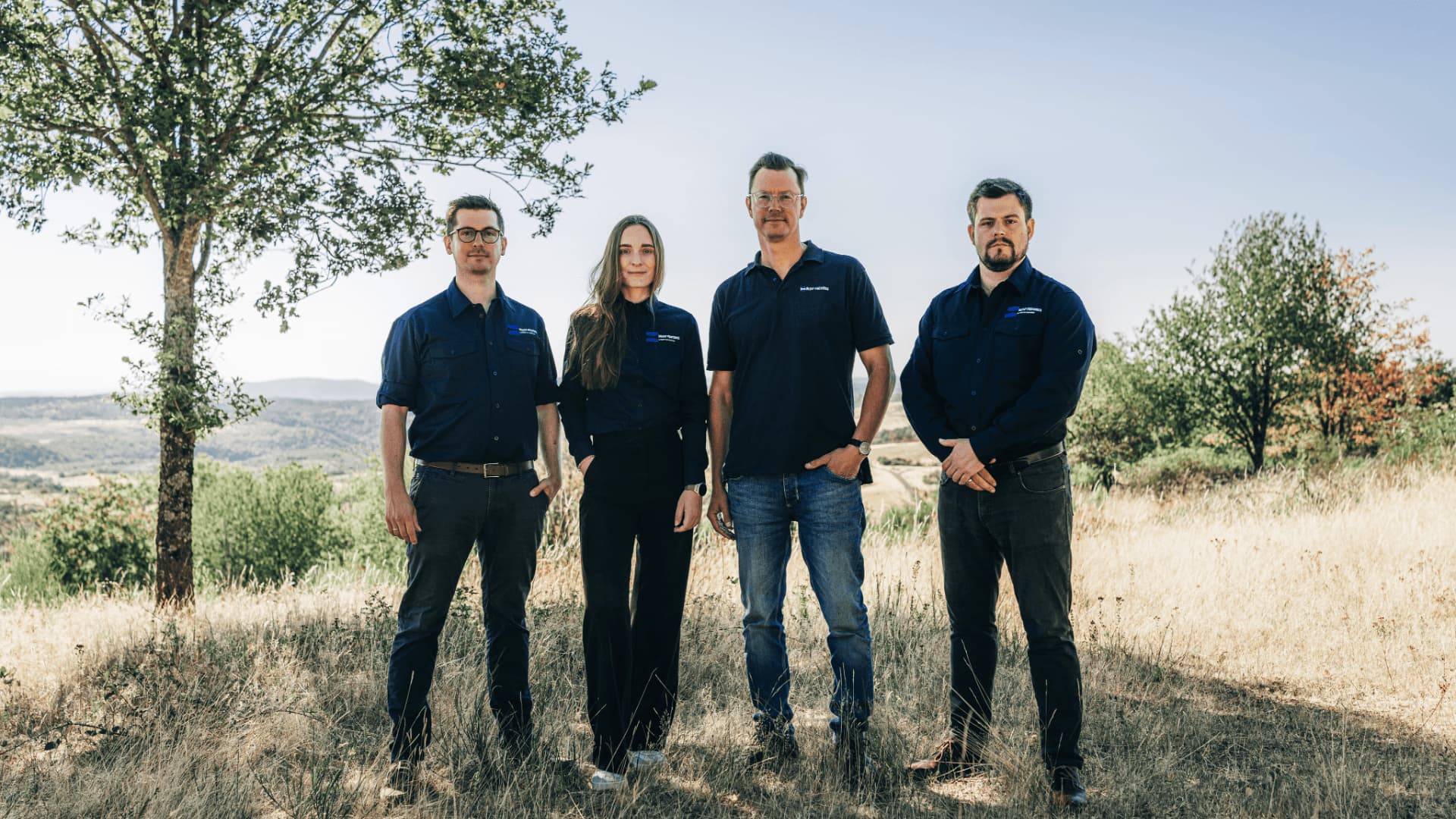
Phytolon Raises $23.6M to Commercialize FDA-Approved Beetroot Red Dye as America's War on Artificial Food Colors Accelerates
Editorial Team
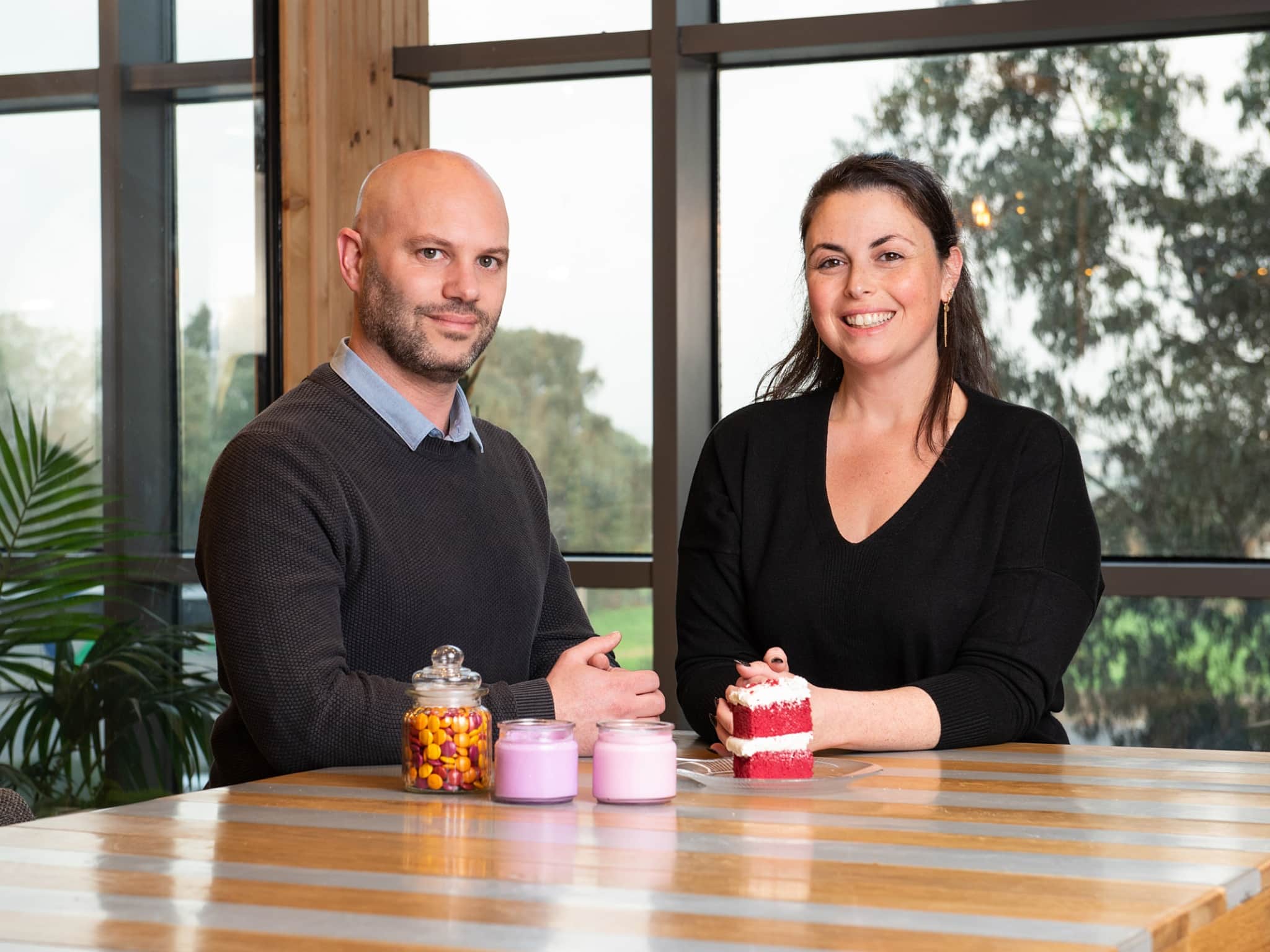
Phytolon, the Israeli biotechnology company that has spent seven years developing fermentation‑based natural food colorants, closed a $23.6 million Series B today to bring its first commercially approved product to American food and beverage manufacturers. The raise brings total funding to $43.6 million and arrives weeks after the FDA granted approval for Beetroot Red, the company's debut natural colorant, in February 2026.
The round was structured across three stages and led by an undisclosed strategic investor. The final stage, closed in April, saw re‑participation from existing backers including NextGen Nutrition Investment Partners, Millennium Foodtech, Colorcon Ventures, and angel investor Yossi Ackerman. Colorcon's involvement carries particular strategic weight given the company's existing relationships with consumer packaged goods manufacturers globally, a distribution channel directly relevant to Phytolon's commercial rollout plan.
Why This FDA Approval Matters Right Now
The timing of Phytolon's raise is not incidental. The United States is undergoing one of the most significant regulatory shifts in food manufacturing in decades. The Make America Healthy Again movement, which has gained serious policy traction in 2025 and 2026, has directed attention toward the widespread use of petroleum‑derived synthetic dyes in American food products. These include dyes like Red 40, Yellow 5, and Yellow 6, which are still approved in the US but have been under increasing scrutiny from regulators, public health advocates, and a growing segment of food manufacturers who anticipate mandatory label warnings or outright bans.
In February 2026, the FDA approved Beetroot Red as a natural food colorant, meaning it has passed the full agency review process covering safety, stability, and manufacturing standards. The effective date for the final ruling is still being set, but the approval itself is already triggering procurement conversations between Phytolon and large consumer packaged goods companies that need to reformulate products using natural alternatives before regulatory or market pressure forces the switch.
CEO and co‑founder Halim Jubran was direct about the deployment plan: the new capital will go toward supporting sales and supply to CPGs and to distribution partners in the US and beyond.
What Makes Beetroot Red Different From Actual Beets
The distinction matters because it is central to Phytolon's value proposition. Traditional beetroot‑derived food color, made by extracting pigment from farmed beets, has two persistent problems. First, agricultural beet supply fluctuates with weather, soil conditions, and farming yields, creating price instability and supply chain risk for manufacturers who depend on consistent color across batches. Second, conventional beetroot extract degrades under heat and pH variation, which limits where it can be used in food processing.
Phytolon's Beetroot Red is produced through precision fermentation using baker's yeast engineered to produce betanin, the specific pigment responsible for the red color in beets. The process happens in a controlled fermentation tank, not on a farm, meaning supply is essentially weather‑independent and scalable in ways that agricultural extraction is not. The resulting pigment is also more structurally pure than plant‑extracted alternatives, which translates into better heat stability and more consistent color performance across different food manufacturing conditions.
The company is also developing a second product based on prickly pear‑derived yellow pigment, which would give Phytolon a two‑color portfolio covering the warm tones that food manufacturers most commonly replace when reformulating away from synthetic dyes. That second product has not received FDA approval yet.
A Market in Structural Transition
The global natural food colors market was valued at approximately $2.5 billion in 2025 and is growing at a compound annual rate of around 8 percent. The US market specifically has been the slowest major economy to transition away from synthetic dyes relative to Europe, where many artificial dyes carry mandatory warning labels that effectively pushed major food companies to reformulate years ago.
That regulatory lag is now narrowing. Several US states have passed legislation restricting certain synthetic dyes in foods served in public schools, creating a commercial pressure point that has moved reformulation from a future consideration to an active project inside most major food company R&D pipelines.
James Cali, general partner at NextGen Nutrition, noted that the combination of regulatory momentum, the Phytolon team's quality, and consumer demand for clean‑label products made the Series B participation straightforward.
The risk Phytolon manages carefully is the time between FDA approval and the effective date of the ruling, during which the agency completes procedural steps before the approval formally takes effect. CPGs in active conversation with Phytolon are working against that timeline, and the Series B capital ensures the company can build out the supply chain and distribution infrastructure before that effective date arrives.
Stay informed
Startup news in your inbox
Get important funding rounds, founder stories, and startup updates.
No spam - only important startup updates.