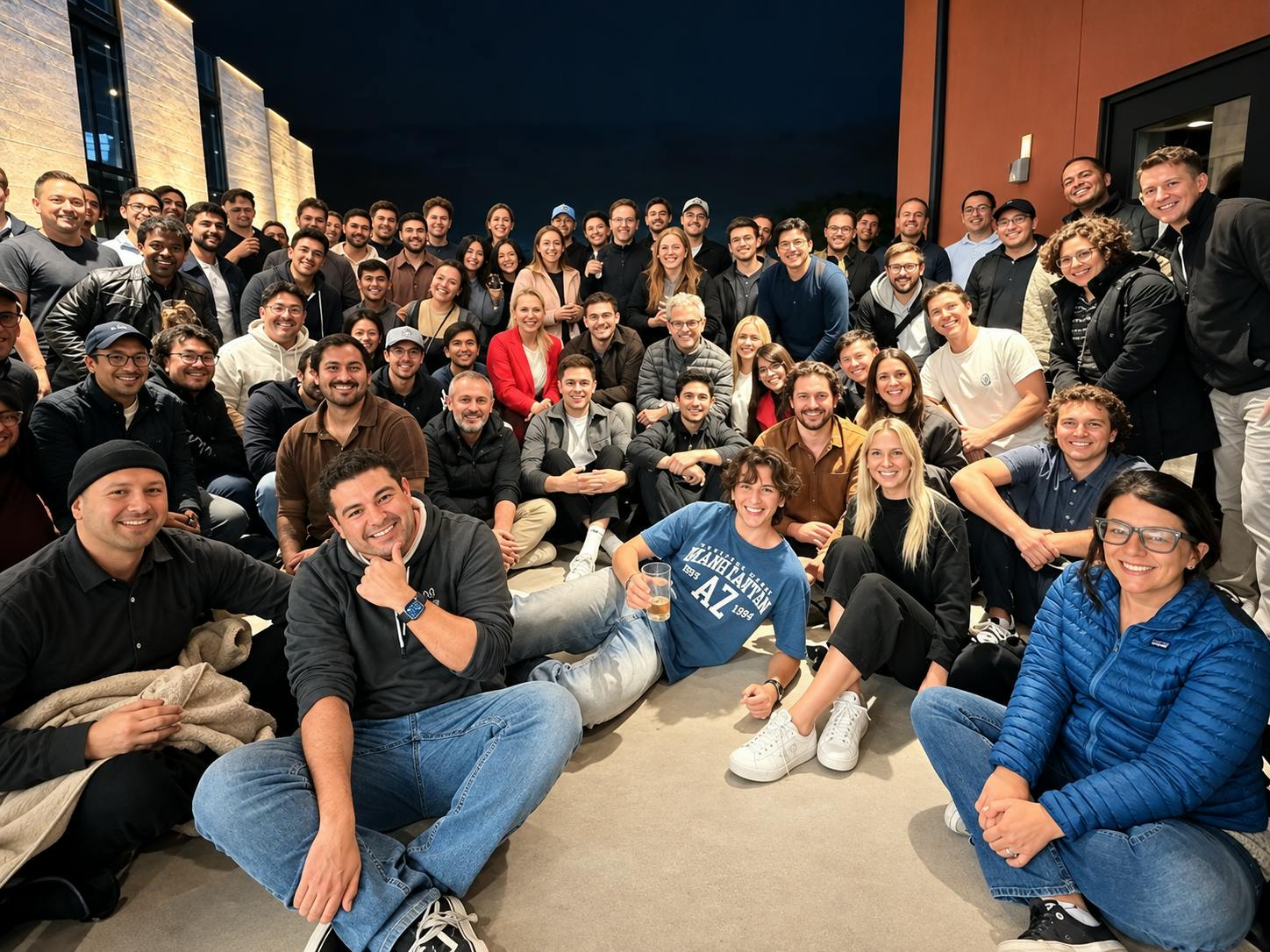
Spott Lands $21M Series A As Recruitment Agencies Ditch Legacy ATS Tools For AI
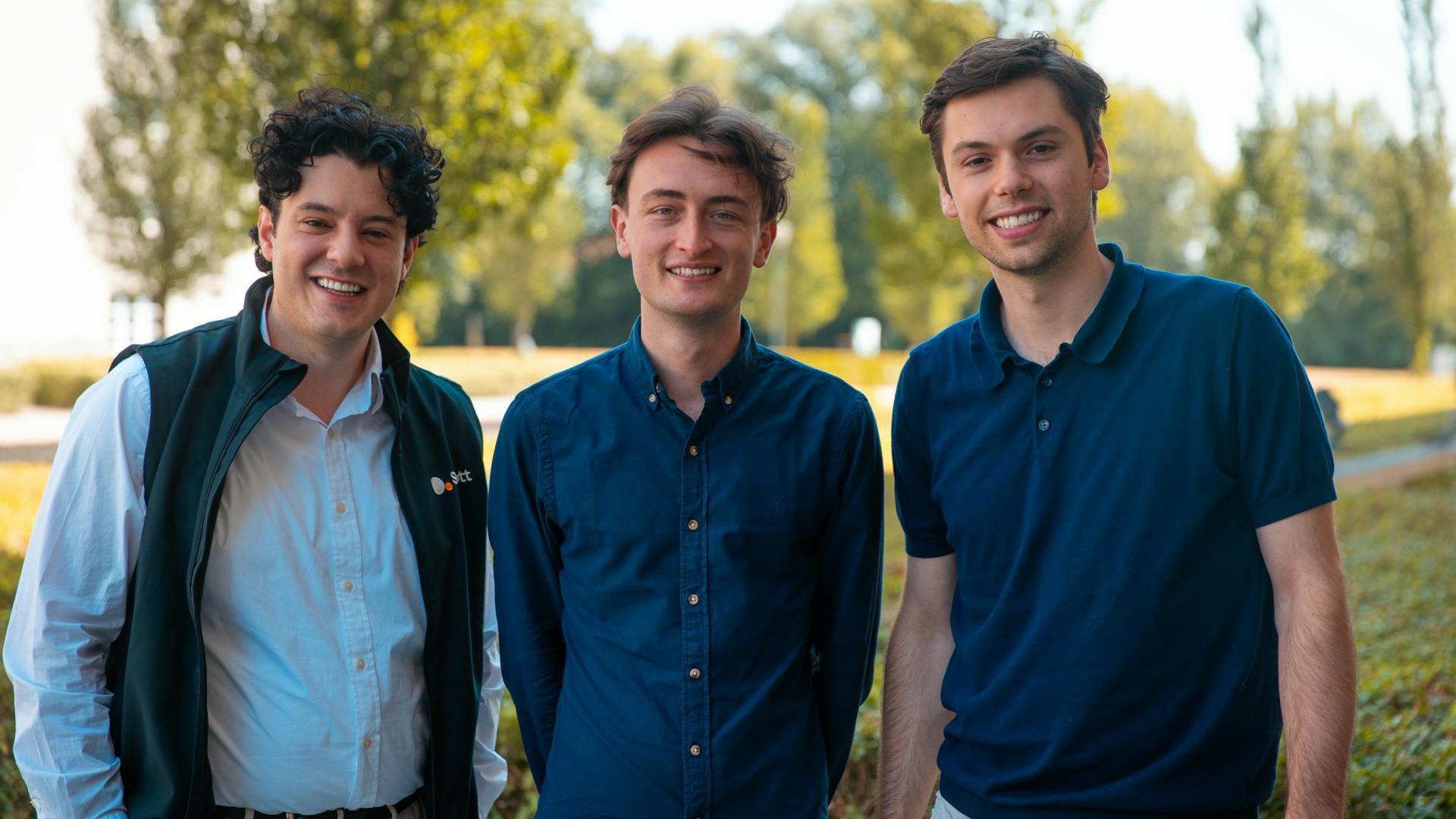
Lander Degreve (CEO), Manu Vanderveeren, and Samuel Smeys
Image credit: Spott
Spott, a Belgium based startup building AI native software for recruitment agencies, has raised 21 million dollars in a Series A funding round to expand internationally and deepen its agentic AI capabilities.
The round was led by London based Balderton Capital, with participation from Base10 Partners, Y Combinator, and Fortino. It follows a seed round of roughly 3.2 million dollars closed in early 2025, taking the company's total funding to around 24 million dollars in under two years.
Spott was founded in 2024 in Leuven by Lander Degreve, Manu Vanderveeren, and Samuel Smeys, three university friends who met while advising recruitment businesses at McKinsey, Bain, and BCG. Through that consulting work, the founders repeatedly saw agencies straining under pressure to cut costs and increase placements while recruiters lost hours each week shuttling information between outdated, disconnected systems.
The company's answer is a single platform that combines a full applicant tracking system and customer relationship management suite with AI tools for candidate matching, semantic search, multichannel outreach, interview scheduling, and conversation intelligence drawn from calls, messages, and notes. Rather than requiring recruiters to bolt on separate point solutions for sourcing, note taking, and scheduling, Spott positions itself as a unified system built from the ground up for an AI first workflow.
Degreve has framed the deliberate limits on the platform's autonomy as central to how agencies have received the product. Spott does not move candidates through a pipeline or present them to a client without a recruiter signing off first. The company has said the goal is to automate the administrative and sourcing labor that eats into a recruiter's day while leaving judgment calls that depend on trust and relationships firmly with the humans doing the work.
That positioning appears to be resonating commercially. Spott says its revenue has grown more than tenfold since the start of 2026, and its customer base has expanded to hundreds of recruitment agencies spanning Europe, the United States, and Asia Pacific. Customers now include H.W. Anderson and the 200 person CGP Group, which has rolled Spott out across 12 countries, a notable validation for a company whose core platform launched only six months after its seed round closed.
Phil Chambers, a partner at Balderton Capital, said the founding team had understood an overlooked problem because they had witnessed its operational and commercial impact firsthand, and that the pace at which customers are adopting Spott suggested they had built the solution the market had been waiting for.
With the new capital, Spott plans to open offices in Sydney and New York as it pushes further into markets outside its home base in Belgium. The company will also invest in enterprise grade functionality aimed at larger, multi country agency groups, expand its headcount across engineering and go to market roles, and continue building out agentic features designed to proactively surface signals such as new job vacancies and candidates who may be open to a career move, rather than waiting for a recruiter to search for them manually.
Spott enters a recruitment technology market that has drawn growing investor interest as agencies look to modernize software stacks that in many cases predate the arrival of generative AI. Legacy applicant tracking systems were largely built as passive systems of record, designed to store candidate and client data rather than actively work alongside a recruiter throughout a placement. As AI tools proliferate across the hiring stack, that gap between static software and active, AI assisted workflows has widened, creating an opening for a new generation of vendors built natively around large language models rather than retrofitting AI features onto older relational databases.
Whether Spott can defend that AI native positioning as larger, better capitalized recruitment software incumbents race to add similar agentic features of their own will likely shape the company's next fundraising cycle. For now, the scale of its Series A and the identity of its backers signal that investors are betting the startup has moved quickly enough to establish real distance from both legacy vendors and other AI recruiting challengers competing for the same agencies.
Topics
Stay informed
Startup news in your inbox
Get important funding rounds, founder stories, and startup updates.
No spam - only important startup updates.