Snorkel AI Triples Valuation To 3.5 Billion Dollars As Frontier Labs Chase Better Training Data
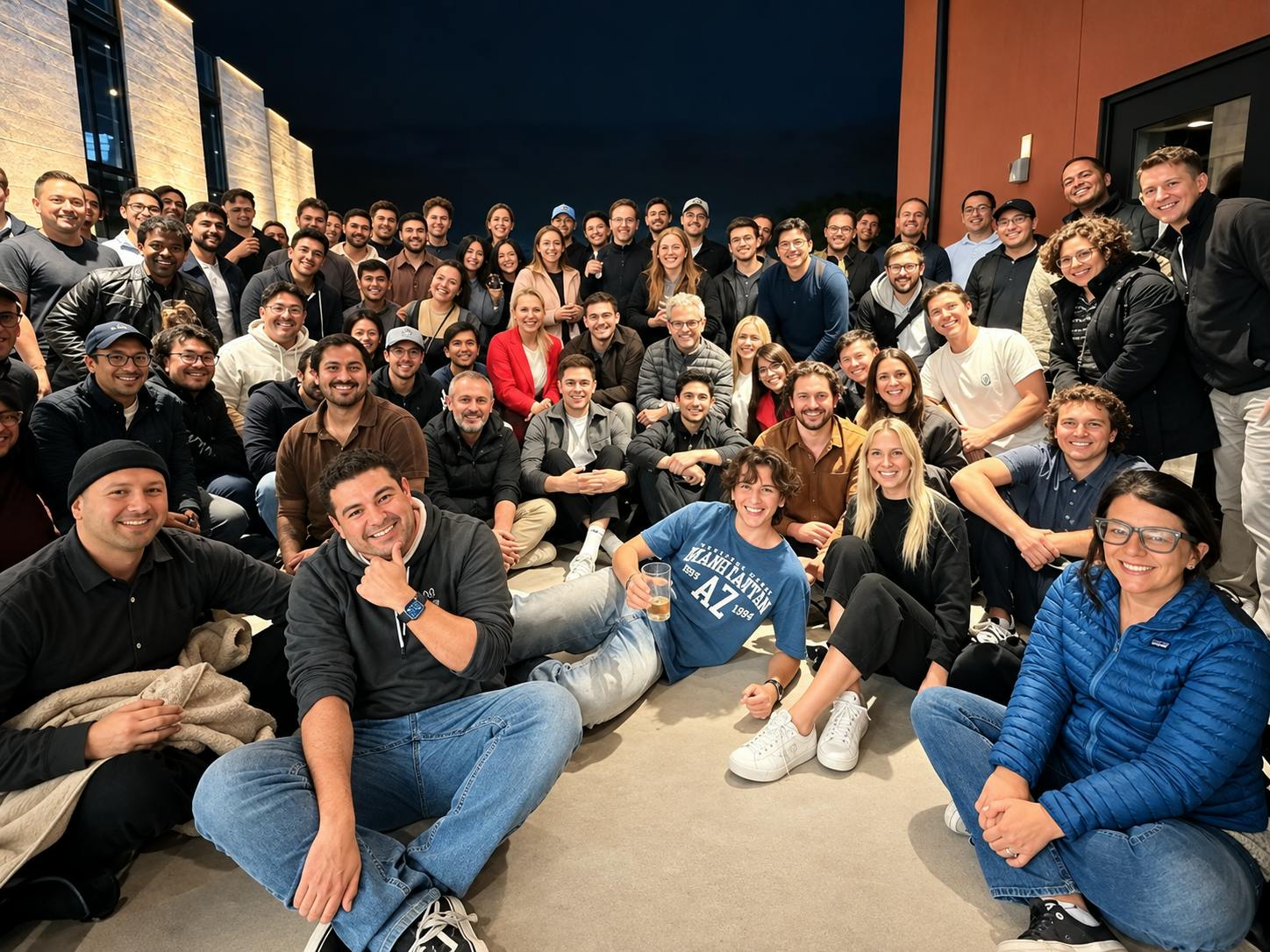
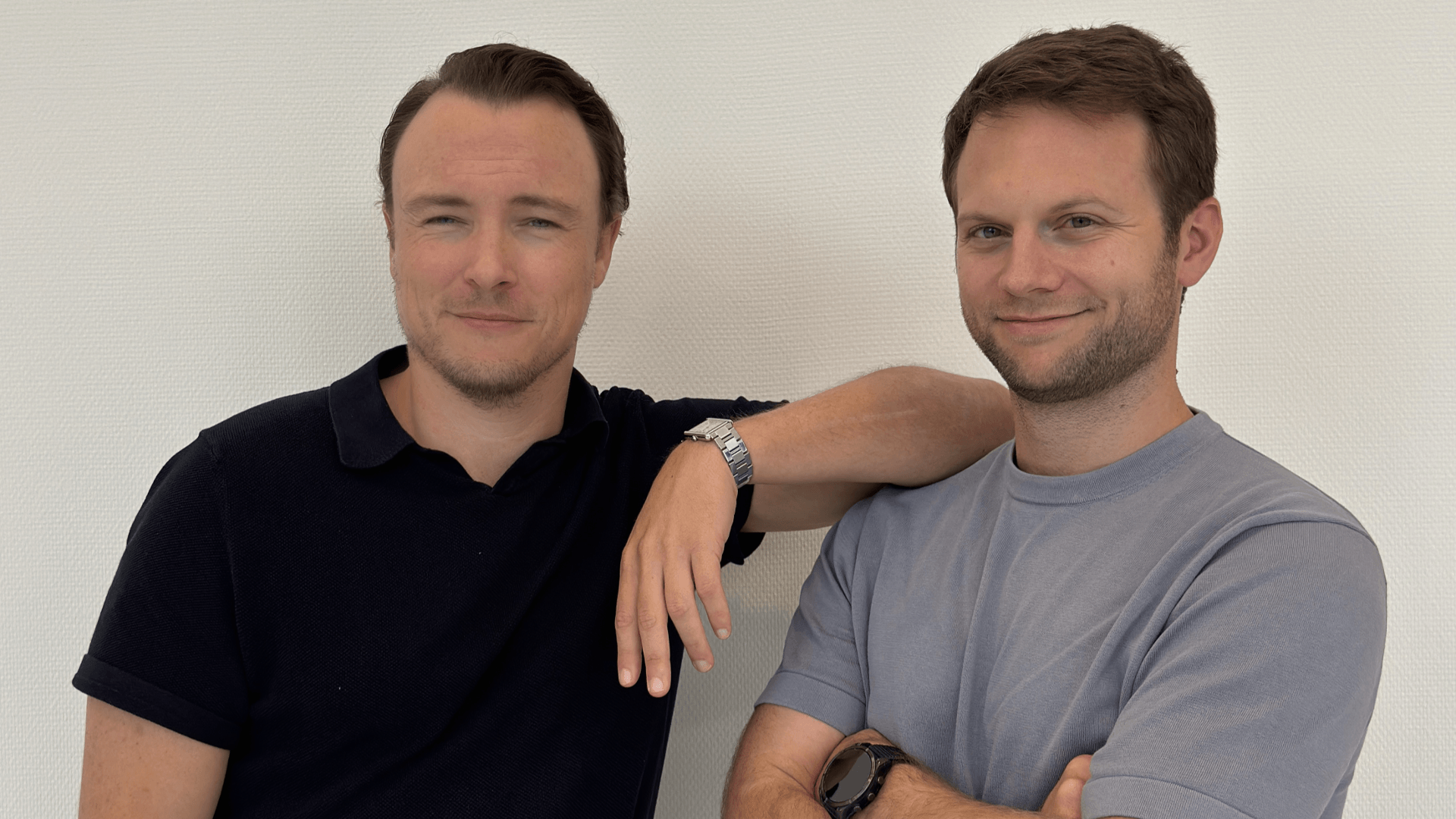
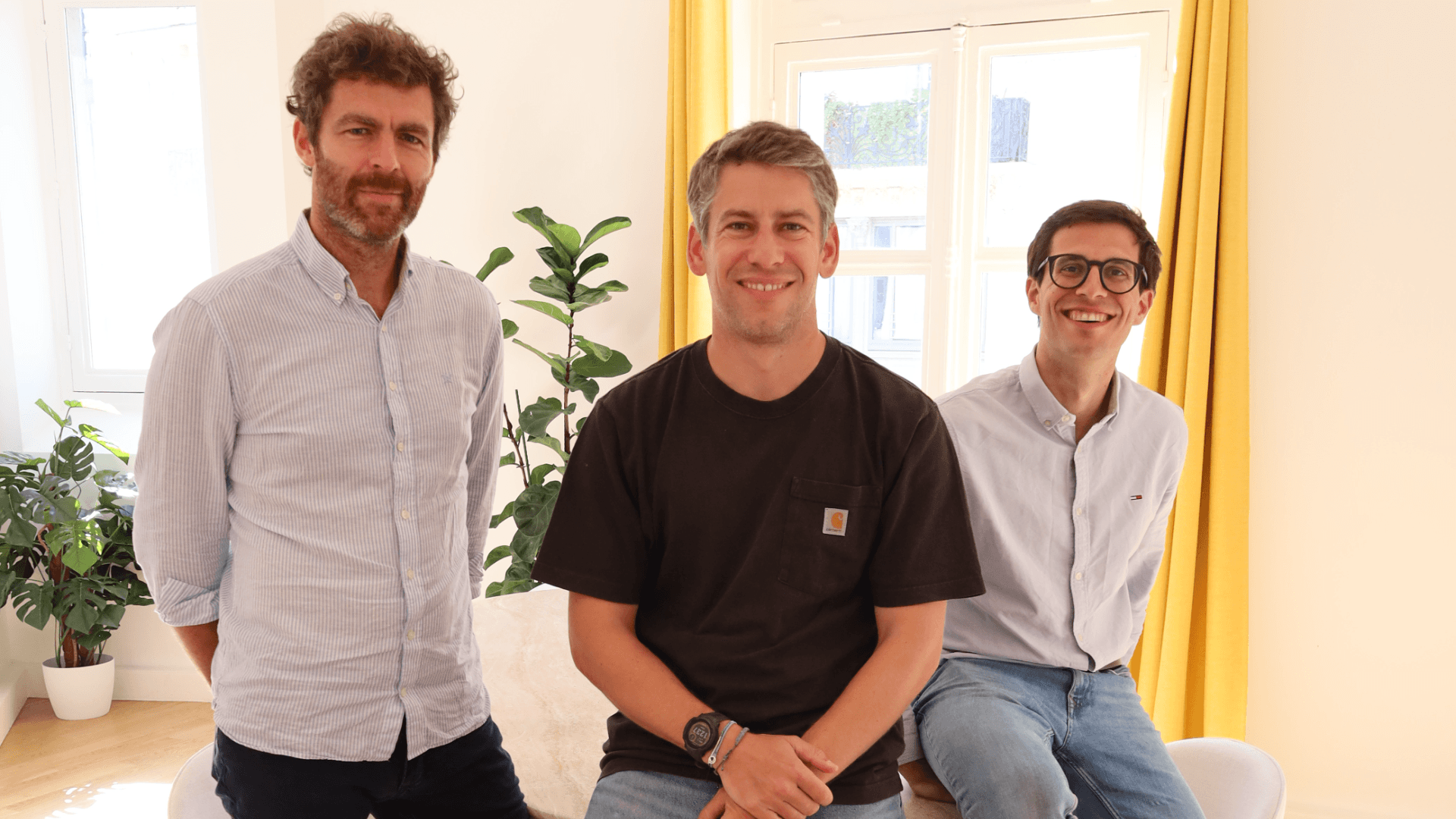
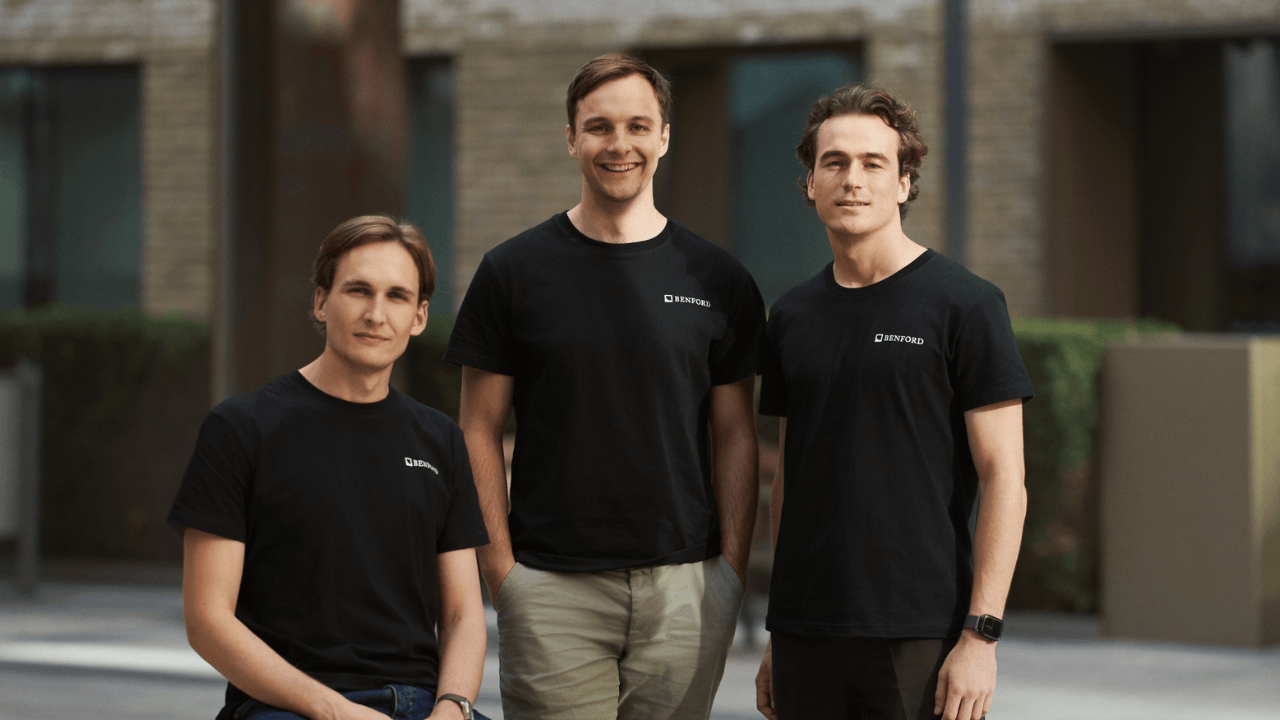
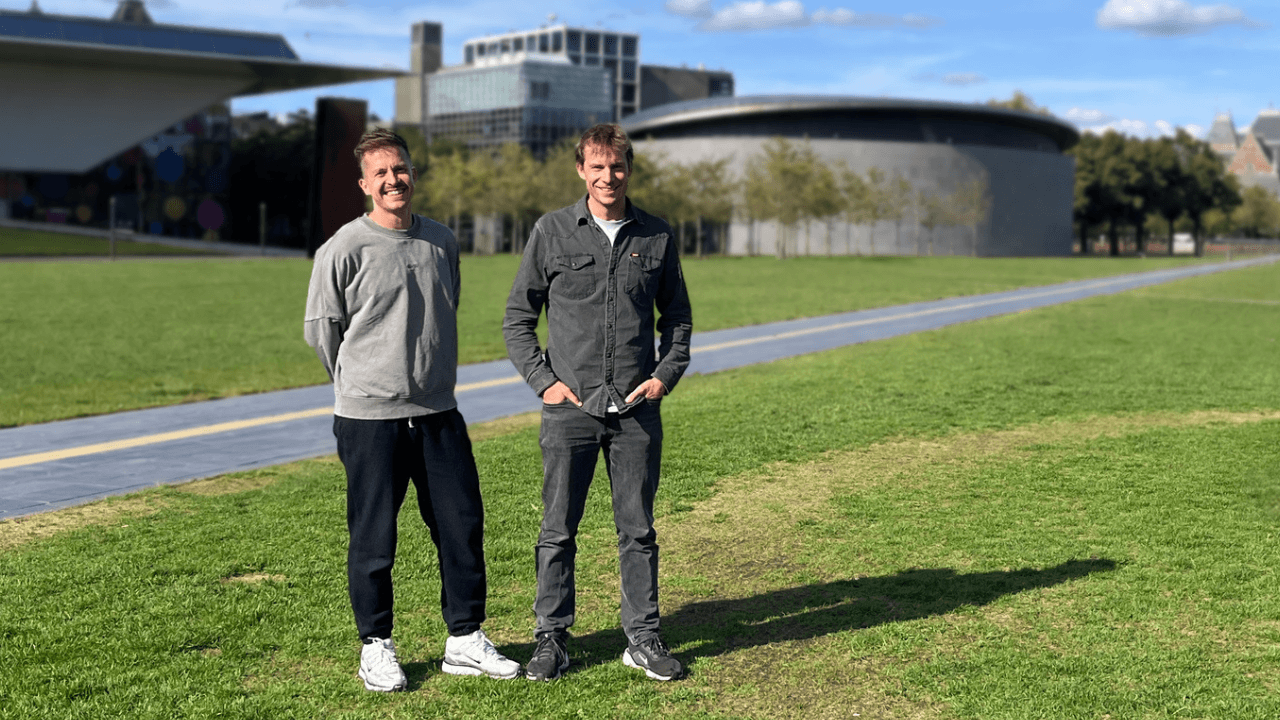
Snorkel AI team
Image credit: Snorkel AI
Snorkel AI, a San Francisco based company that supplies training data and simulated environments to artificial intelligence developers, has raised 350 million dollars in a Series E round that values the company at 3.5 billion dollars, nearly triple where it stood 17 months ago.
The round was co led by Insight Partners and S32, with significant participation from existing investor Addition. It also drew new investors including March Capital, Blumberg Capital, Allegis Capital, Frontline, Standard, and Third Point Ventures, alongside existing backers Greylock, Lightspeed, GV, Factory, Prosperity7, Walden Catalyst, and Wells Fargo. The new valuation compares with the 1.3 billion dollars Snorkel reached when it last raised 100 million dollars in May 2025, meaning the company's valuation has climbed nearly threefold in under a year and a half.
Snorkel was founded in 2019 by researchers from the Stanford AI Lab. Its original product, Snorkel Flow, applied statistical methods developed by its founders to automate the labor intensive process of building labeled datasets for supervised machine learning, addressing accuracy problems that had made earlier automation attempts unreliable. Chief executive Alex Ratner told Reuters the new funding reflects surging demand from frontier AI labs for increasingly complex training data and simulated environments, a category of data that has grown far more specialized as base models have become more capable.
The company has since moved well beyond its original software platform. Rather than selling tools that customers use to label their own data, Snorkel now delivers finished datasets, reinforcement learning environments, and model evaluation systems directly, a shift the company frames as an agentic data development platform that pairs human domain experts with thousands of specialized models. That data as a service business launched in September 2025, and Snorkel says it has grown more than eighteenfold since, with annualised revenue crossing 375 million dollars, up from roughly 20 million dollars a year earlier.
Part of that data covers AI training sandboxes as well as raw datasets. Because many AI models now need to operate inside realistic simulated settings, such as a virtual developer workstation for a code generation model, Snorkel builds and sells those training environments alongside evaluation rubrics used to score model performance against them. According to the company, coding data represents one of its largest single areas of customer demand. Snorkel says its client base spans frontier AI research labs, major hyperscalers, industry specific AI companies, large enterprises, and agencies within the United States federal government, giving it exposure across nearly every segment currently investing heavily in model development.
Andy Harrison, a partner at S32 who co led the round, said that data is becoming more rare, more specialized, and more difficult to find, and that training the most frontier, complex, and capable models now requires distinctly superior data rather than simply more of it.
With the new capital, Snorkel plans to hire additional researchers and engineers, expand its enterprise and government facing operations, and build out support for independent third party evaluation of AI models. The company also intends to move into new verticals and data modalities beyond its current focus areas. Despite the aggressive growth spending, Snorkel has said it expects to reach profitability this year, an unusual claim among richly valued AI infrastructure startups still burning capital to scale.
The round lands within a training data market reshaped by Meta's 14.3 billion dollar purchase of a 49 percent stake in Scale AI in June 2025, a deal that validated the strategic importance of specialized data providers to frontier AI labs and triggered a wave of investor interest across the category. Rival data companies have reported comparably steep growth trajectories over the same period, with Mercor's gross annualised revenue climbing to around 2 billion dollars, Handshake crossing 1 billion dollars earlier this year, and Micro1 reportedly reaching 500 million dollars, underscoring how central specialized training data has become to the broader AI buildout even as questions persist over how sustainable that growth will prove as the underlying labs face their own funding and margin pressures.
Topics
Stay informed
Startup news in your inbox
Get important funding rounds, founder stories, and startup updates.
No spam - only important startup updates.