Atira Raises $17.5M to Build the 'Commercial Brain' Behind Industrial Bid Proposals
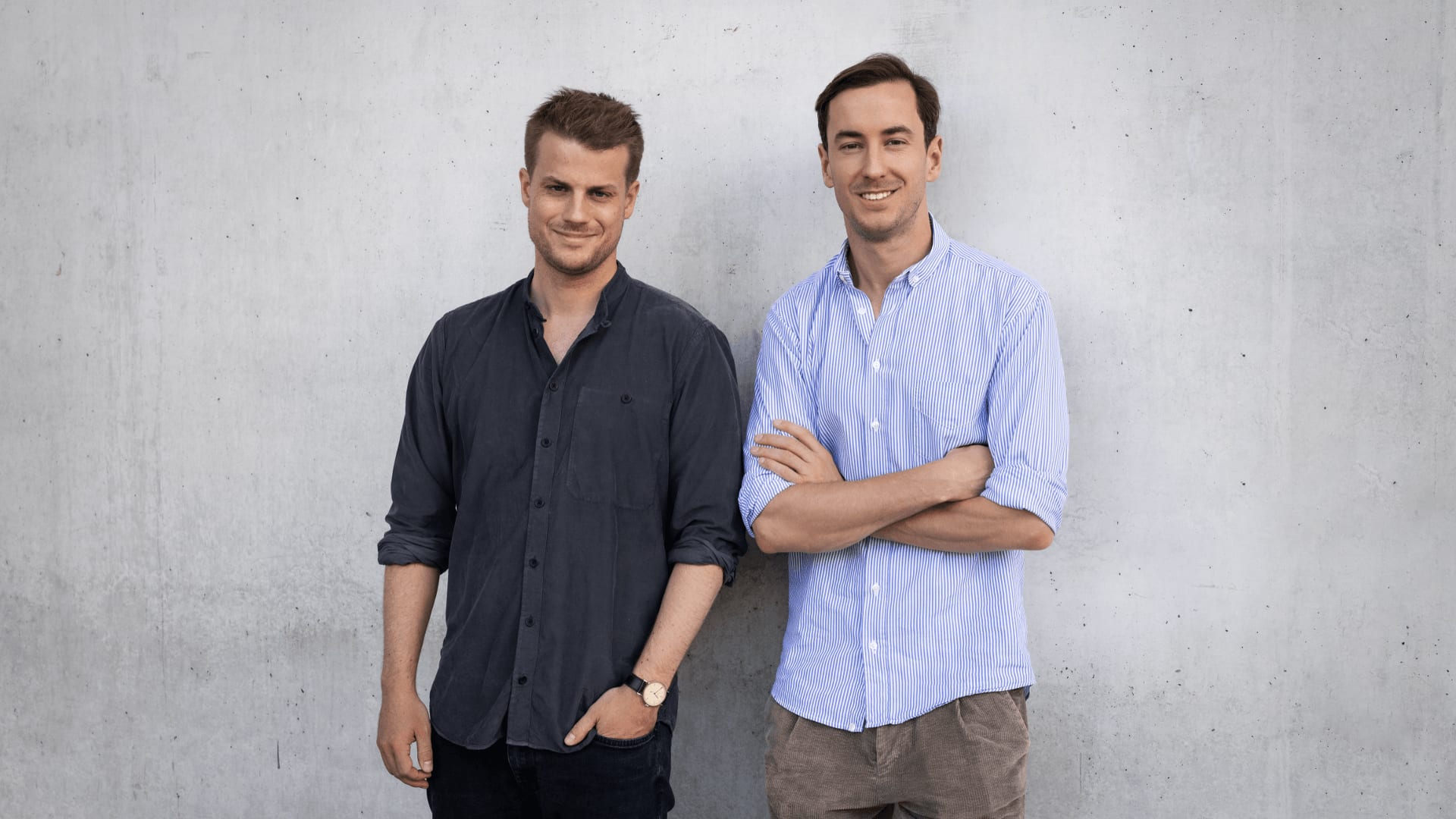
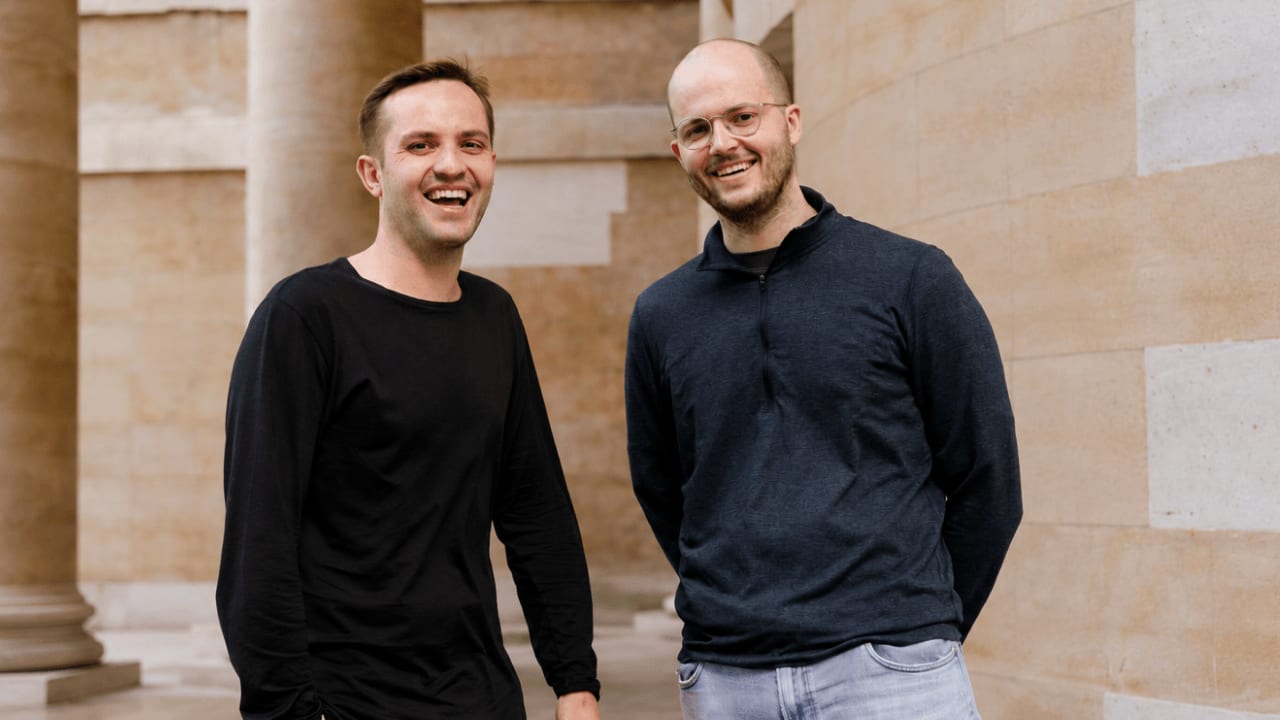
Atira founder Florian Diegruber (CEO) and August DuMont Schütte
Image credit: Atira
Atira, a Munich based AI startup, has raised 17.5 million dollars in total funding to build an AI orchestration platform aimed at automating one of manufacturing's most persistently manual workflows: turning a customer's request for a complex, built‑to‑order product into a fully priced, technically sound proposal.
The total figure combines a 15 million dollar seed round led by Accel with a previously undisclosed 2.5 million dollar pre‑seed round. UVC Partners invested in both rounds, meaning the firm alone has committed the full 17.5 million dollars in combined pre‑seed and seed capital across Atira's funding history to date, though the current seed round is not funded solely by UVC Partners. Additional investors in the seed round include Fortino, BOOOM, and a group of individual backers spanning industry and technology, among them Munich business professor Ann‑Kristin Achleitner, Whirlpool chairman and chief executive Marc Bitzer, Markus Flik, and Celonis co‑founder and co‑chief executive Bastian Nominacher. Atira declined to disclose its current valuation.
The company was founded in November 2024 by chief executive Florian Diegruber and co‑founder August DuMont Schütte, and targets a problem the founders describe as one of the largest workflows in manufacturing that software has never successfully automated. For companies selling complex, custom‑manufactured industrial products, responding to a request for quotation can take weeks or even several months, requiring sales engineers, technical specialists, legal teams, and commercial teams to work through extensive specifications, assess risk, and prepare customized technical and commercial documentation, all before a customer ever receives a final proposal. Diegruber framed the underlying problem directly: "Sales engineering is one of the largest workflows in manufacturing that software has never truly automated. Today, critical commercial expertise is scattered across people, documents and disconnected systems. Atira is changing that by helping industrials turn expertise into a scalable capability and bringing AI into one of the most important processes in industrial organizations."
Atira's answer is not a single AI assistant but a multi‑agent orchestration system that sits between a company's existing customer relationship management and enterprise resource planning software, coordinating the commercial proposal process end to end and, in some cases, executing parts of it autonomously. Different AI agents handle distinct stages of the workflow, from analyzing and classifying incoming request‑for‑quotation documents, to configuring an appropriate technical solution, to generating the actual technical and commercial content that makes up the final proposal, all working toward the shared goal of producing a complete, accurate quote considerably faster than the current largely manual process allows.
Accel partner Harry Nelis, whose firm led the seed round, pointed to the specific characteristics of this workflow that have historically made it resistant to conventional software automation. Developing quotes for complex manufacturing "involves huge amounts of unstructured information, technical judgement and knowledge spread across different people and systems," Nelis said, which is precisely what has made the process so difficult to automate using traditional, rules‑based software. "AI changes that equation because it can understand that context and orchestrate work across the entire process," he added, framing large language models' ability to reason over unstructured, context‑dependent information as the specific technical unlock that finally makes this workflow automatable.
Atira estimates that industrial sales engineering, the broader discipline of turning a customer's request into a technically viable, accurately priced bid, accounts for more than 128 billion dollars in annual labor spending worldwide, a figure that underscores both the scale of inefficiency the company is targeting and the size of the market opportunity available if its platform proves genuinely effective at compressing that labor‑intensive process.
Notably, Atira's early commercial traction runs somewhat counter to a common assumption about European industrial buyers. Diegruber told Fortune that despite the received wisdom that European industrial giants tend to be slower than their American counterparts to adopt software from early‑stage startups, he believes attitudes among European industrial executives are shifting, with growing willingness to take a risk on unproven vendors. Part of what has helped Atira overcome that traditional hesitancy, according to Diegruber, is its deployment model: customers can get the platform running within a day or two of signing on, and can cancel after just a single month if it fails to deliver value, a low‑commitment structure designed specifically to reduce the perceived risk of adopting new software within conservative industrial buying processes.
With the new capital, Atira plans to grow its go‑to‑market team, accelerate product development, and support international expansion beyond its current base. The company also intends to extend its platform into adjacent commercial workflows connected to the core quoting process, including pricing intelligence, aftersales support, and supplier coordination, positioning Atira's long‑term ambition as covering a considerably broader slice of industrial commercial operations than request‑for‑quotation handling alone. Whether that expansion, alongside its bet that European industrial buyers are becoming genuinely more receptive to early‑stage AI vendors, can scale as quickly as the size of the underlying labor market it has identified will likely determine how much of that 128 billion dollar opportunity Atira is ultimately able to capture.
Topics
Stay informed
Startup news in your inbox
Get important funding rounds, founder stories, and startup updates.
No spam - only important startup updates.
Comments
Text only. No links or images.
No comments yet.