Ex-Henchman Trio Raises €4M for Backbone, an AI Layer That Catches Food Safety Failures Before They Ship
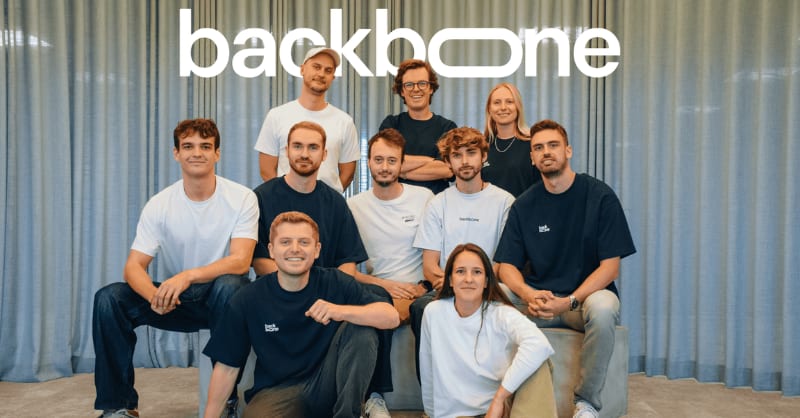
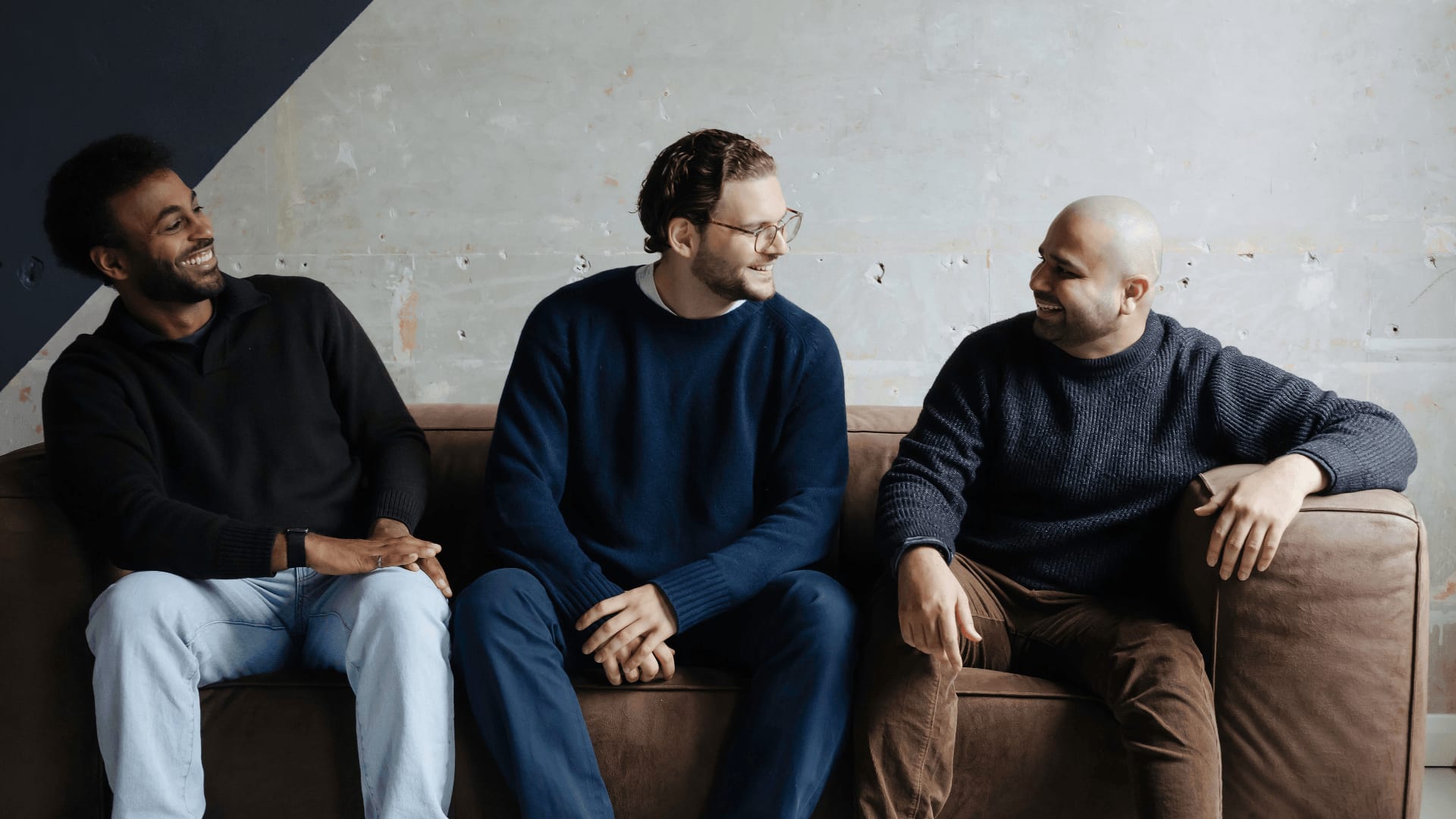
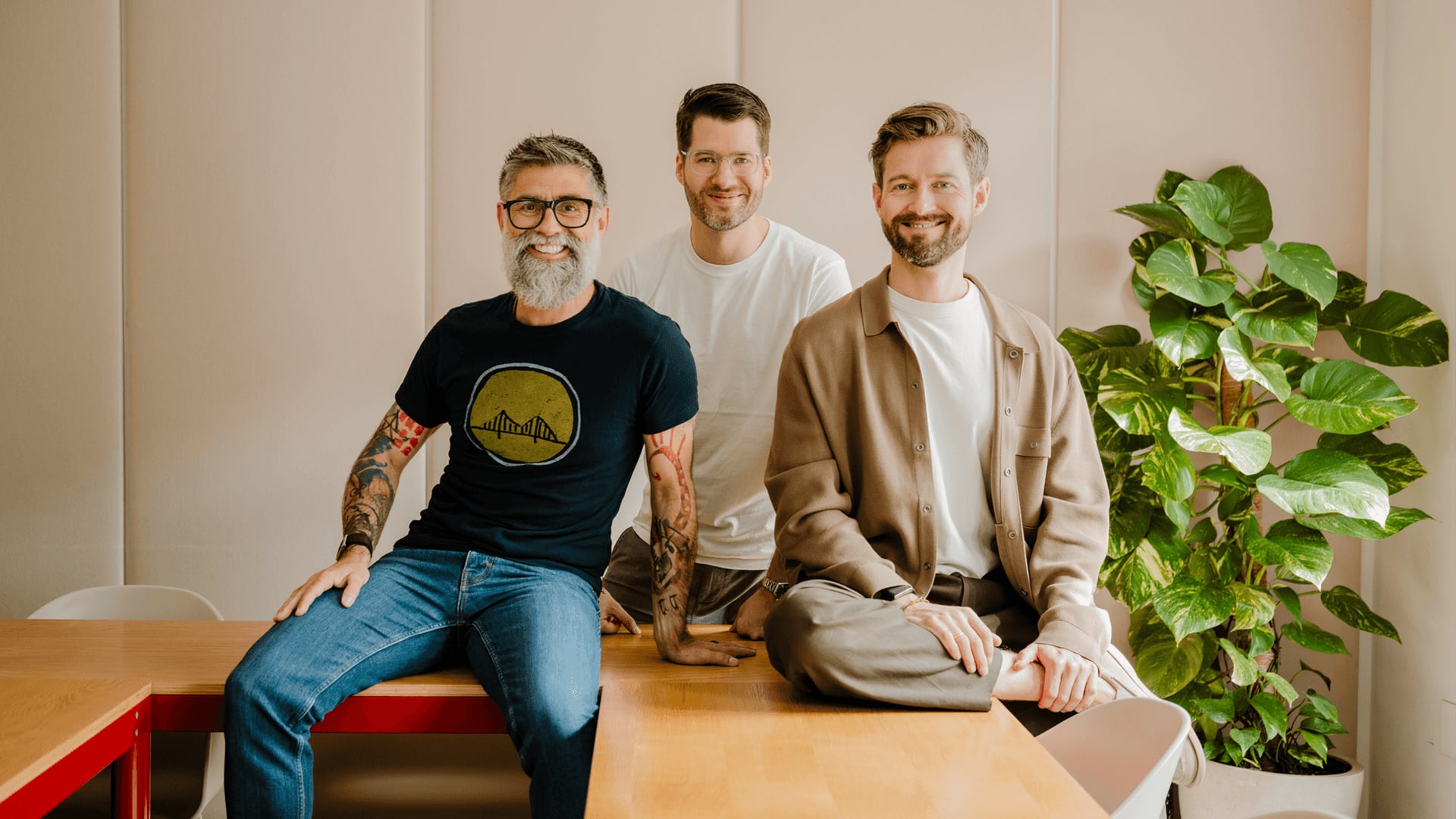
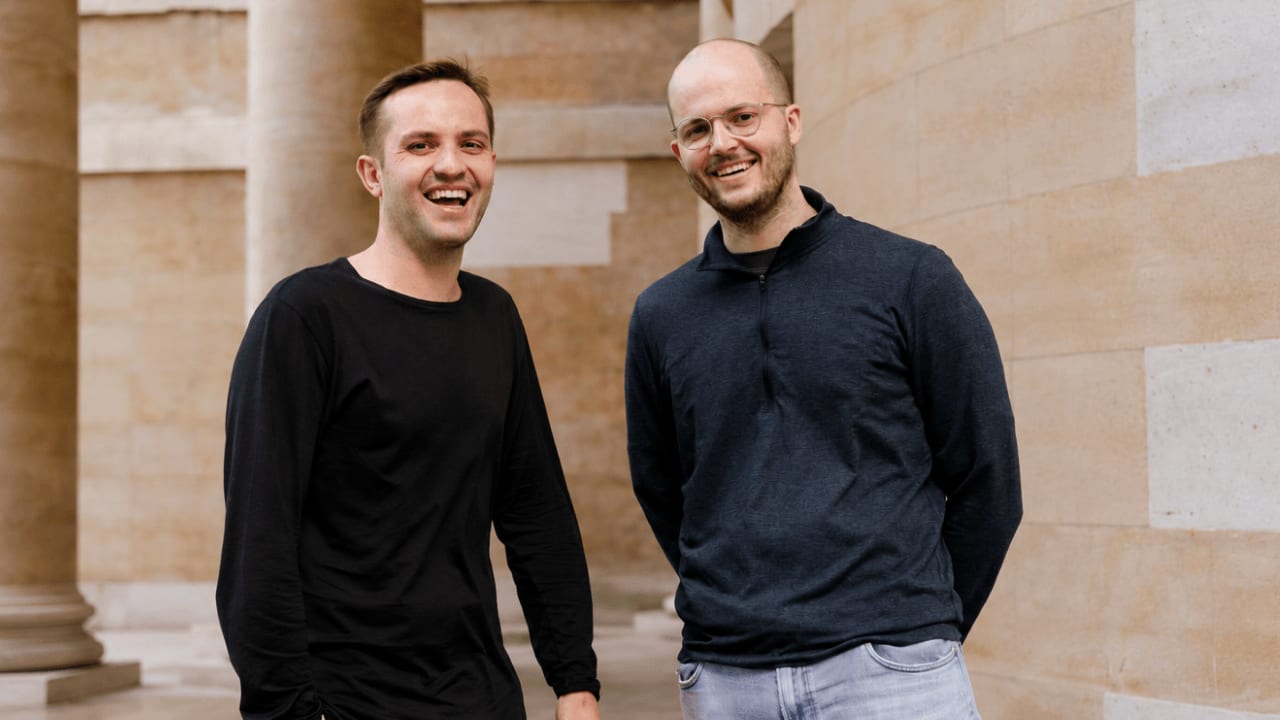
Backbone founder Louis Opsomer, Siska Lannoo, and Julien S
Image credit: Backbone
Backbone, a Brussels based food technology startup, has raised 4 million euros in pre‑seed funding to further develop its AI‑powered quality and compliance platform and support its commercial expansion across Europe.
The round was led by Pitchdrive, with participation from PROfounders Capital, a London based venture firm founded by Brent Hoberman known for backing Made.com and GetYourGuide, and Passion Capital, the firm that was the first institutional investor in Monzo, GoCardless, and Tide. Existing investor 100IN also returned, alongside a consortium of Belgian food industry families, including Agristo and Darta. 100IN, a 12 million euro pre‑seed fund run by serial entrepreneurs Gilles Mattelin and Jorn Vanysacker, had already backed Backbone at the pre‑product stage, before the company had built anything to show investors, a level of early conviction that carried through into this larger follow‑on round.
Backbone was founded in 2025 by Louis Opsomer, Siska Lannoo, and Julien Steel, all former managers at Belgian legal‑tech scale‑up Henchman. The company builds software designed to help food companies manage quality and compliance processes that, despite years of investment in ERP systems and inline quality control vision systems designed to register data, still largely depend on manual, disconnected tools to actually act on that data. According to the company's own figures, roughly 80 percent of food producers continue to manage core quality operations through spreadsheets, documents, and email, even as regulatory requirements, customer expectations, and certification standards have grown steadily more demanding.
The consequences of that gap are significant. Backbone's founders estimate that poor quality control costs the food sector up to 15 percent of revenue, a figure driven not primarily by single catastrophic failures but by an accumulation of smaller deviations that go unnoticed until they surface in production, or worse, after products have already reached store shelves, an issue the company has pointed to in the context of recent baby food safety incidents that drew wider public attention to gaps in food industry quality oversight.
Backbone's platform is built to close that gap by consolidating supplier certificates, laboratory results, product specifications, and internal compliance records into a single connected data layer. On top of that foundation, the company is developing AI agents designed to automate parts of the quality management process directly, including tracking supplier certificates, checking laboratory results and incoming documents against current product specifications, and recording quality incidents as they occur. All of that information feeds into a central dashboard intended to give quality teams and company management a shared, real‑time view of outstanding issues and priorities, rather than requiring staff to manually cross‑reference scattered documents to identify emerging risks.
Co‑founder Louis Opsomer described the underlying problem Backbone is built to solve in terms of disconnected information rather than a lack of data itself. "A food company today has all the data it needs to make better quality decisions, but the different data points aren't talking to each other," Opsomer said. "R&D knows the recipe, purchasing knows the supplier, the lab has the test results and quality knows the regulations and customer requirements. We build an intelligence layer that connects those dots, understands the context and puts it to work."
Co‑founder Siska Lannoo framed the company's ambition in terms of moving the industry from passive record‑keeping toward active risk detection. "The food industry has spent years investing in ERP systems and inline quality control vision systems to register everything. The next step is putting all that information to work," Lannoo said. "With Backbone, quality teams don't just register what happened, they can connect the context, spot risks earlier and make the right decision at the right moment. By the end of 2028, we want Backbone to be running across 250 production sites."
Backbone has already moved beyond its home market, expanding from Belgium into the UK and the Netherlands, with customers spanning the full food supply chain, from raw material and ingredient suppliers through producers, packaging companies, and distributors. Disclosed customers include Zoutman, Greenway, Azingro, Euromeat, Budelpack, Royal Taste, and J&K Confectionery. The company has also formed a partnership with AMNorman, a leading food safety and quality consultancy, and is pursuing integrations with international standards bodies including BRCGS, alongside a technology partnership with Microsoft that includes integrations with Copilot.
Backbone enters a market that already includes some established, if less AI‑native, quality management software vendors, positioning its differentiation around the depth of its AI‑driven analysis and its ability to connect previously siloed data sources automatically, rather than simply digitizing existing paper‑based checklists. With the new capital, the company plans to expand its international marketing activities across Europe, scale its machine learning and product engineering teams, and accelerate customer acquisition toward its stated target of 250 production sites by the end of 2028. Whether Backbone can convert its early cross‑border traction in the UK and Netherlands into that broader European footprint will likely depend on how effectively its AI agents perform across the wide variety of product categories, regulatory regimes, and supply chain structures that exist across the European food manufacturing sector.
Topics
Stay informed
Startup news in your inbox
Get important funding rounds, founder stories, and startup updates.
No spam - only important startup updates.
Comments
Text only. No links or images.
No comments yet.