Damroo Raises Rs 5 Crore From Hindustan Times to Build India's Most Artist-First Music Platform
Editorial Team
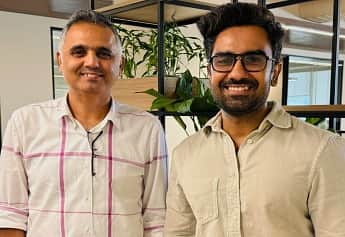
Damroo, the Mumbai‑based music streaming, distribution, and artist growth platform focused on independent and regional creators, has raised a strategic investment of Rs 5 crore from Hindustan Times. The funding was announced on May 18 and marks a significant step for a platform that has been quietly building one of the more complete infrastructure stacks for independent musicians in India since its launch in 2021.
The deal is not just a capital raise. It is a distribution play. As part of the investment, HT Media will deploy its full media ecosystem, including Fever FM, its digital entertainment properties, and its brand solutions infrastructure, to amplify the reach of artists on the Damroo platform. For a country where millions of musicians create regionally significant work that never crosses language boundaries or reaches audiences beyond their immediate geography, that distribution muscle is the thing Damroo's technology stack alone cannot provide.
What Damroo Has Built
Damroo was founded in 2021 by Ram Mishra, who brings more than two decades of experience working across music labels and artist ecosystems in India. Mishra also serves on the advisory committee of the Indian Performing Right Society, the central body responsible for collecting and distributing performing rights royalties across India, a connection that gives Damroo direct institutional access to one of the most critical parts of an independent artist's long‑term financial infrastructure.
The platform currently offers a range of services that, taken together, address nearly every practical challenge an independent or regional artist faces when trying to build a sustainable music career outside the major label system:
- Digital music distribution to all major global streaming platforms
- Publishing administration, including access to international sub‑publishing relationships
- YouTube content management and monetization optimization
- Marketing support and audience growth campaigns
- Artist collaboration facilitation and A&R guidance
- Royalty collection support across performance, mechanical, and synchronization rights
- Financial assistance for content production, helping artists who cannot self‑fund recording costs
- Support for IPRS membership registration, which is the prerequisite for accessing publishing royalties in India
That last service is more significant than it might appear. A large share of independent artists in India have never registered with IPRS and are therefore not receiving the royalties they are legally entitled to from radio airplay, live performances, and synchronization uses of their music. Damroo's guidance through the IPRS registration process is essentially unlocking income that already exists but is currently uncollected.
Why This Investment Carries More Weight Than the Rupee Amount
Rs 5 crore is approximately $600,000 at current exchange rates, a seed‑scale investment in global terms. What makes the Hindustan Times deal meaningful is not the size of the capital but the specificity of what it unlocks.
HT Media reaches more than 200 million Indians through its various platforms. That figure breaks down into over 56 million print readers across Hindustan Times and its Hindi‑language flagship, Hindustan. Its digital properties attract more than 144 million unique visitors monthly across platforms. Fever FM, the group's radio network, reaches approximately 34 million listeners.
For an independent artist in, say, Rajasthan or Bengal or Tamil Nadu, the difference between being featured on Fever FM and not being featured on Fever FM is the difference between regional recognition and national visibility. The deal structure means that Damroo artists can now access that promotional surface through a platform they are already using for distribution and royalty management, without having to negotiate separately with a major radio network.
Karan Katyal, who leads Strategic Partnerships and Investments at HT Media Group, described Damroo as addressing a meaningful gap in India's independent music ecosystem by putting artist growth, discoverability, and monetization in one place. That framing captures why the media company made the investment: Damroo is building the infrastructure that makes HT Media's own music programming more commercially relevant by connecting it to artists who have not previously had access to those audiences.
India's Independent Music Moment
The context for this investment is a structural shift that has been building in Indian music consumption for several years. Streaming adoption has created genuine demand for regional‑language music that the major label system has historically underinvested in. Tamil independent artists, Punjabi underground producers, Rajasthani folk musicians with strong regional followings, and Bengali singer‑songwriters working outside the film industry have all found audiences on streaming platforms in the past three years that were simply inaccessible a decade ago.
The problem is that discovery and commercial infrastructure have not kept pace with that demand. Spotify and Apple Music surface regional music to users who specifically search for it. They do not yet function as reliable discovery mechanisms for regional music across language boundaries. Radio still matters enormously in India for reaching non‑metropolitan audiences, but independent artists have rarely had systematic access to radio programming decisions. Live performance income is significant but logistically complex without management support. Publishing royalties require institutional registration that most independent artists have never completed.
Damroo's platform addresses each of these gaps in sequence. The Hindustan Times investment accelerates the radio and digital discovery part of that stack by creating a direct channel between Damroo's artist network and HT Media's programming infrastructure.
What the Capital Is For
Mishra has been specific about the deployment priorities. The Rs 5 crore will fund four concurrent initiatives:
- Technology infrastructure improvements, including better artist dashboards, analytics, and royalty tracking
- Scaling the artist network by onboarding more regional and independent creators, particularly from underrepresented linguistic communities
- Expanding the content catalogue to cover more genres and regional music traditions
- Building new monetization and fan engagement features, including direct‑to‑fan commerce tools and experiences for creators who want to build revenue streams beyond streaming royalties
India's domestic music industry crossed Rs 15 billion in revenue in 2025, growing at approximately 15 percent annually according to industry body IMI. The independent music segment, still a small share of that total, is growing significantly faster than the label‑driven mainstream. Platforms that own the distribution, publishing, and audience growth stack for independent artists in India are positioned at the fastest‑growing edge of that expansion.
Damroo is building for a version of India's music market that looks less like Mumbai's film industry ecosystem and more like what has emerged in the United States and United Kingdom, where independent artists with strong digital followings can build commercially sustainable careers entirely outside the major label system.
Stay informed
Startup news in your inbox
Get important funding rounds, founder stories, and startup updates.
No spam - only important startup updates.