Hark Raises $700M Series A at $6B Valuation for AI Personal Interface
Editorial Team
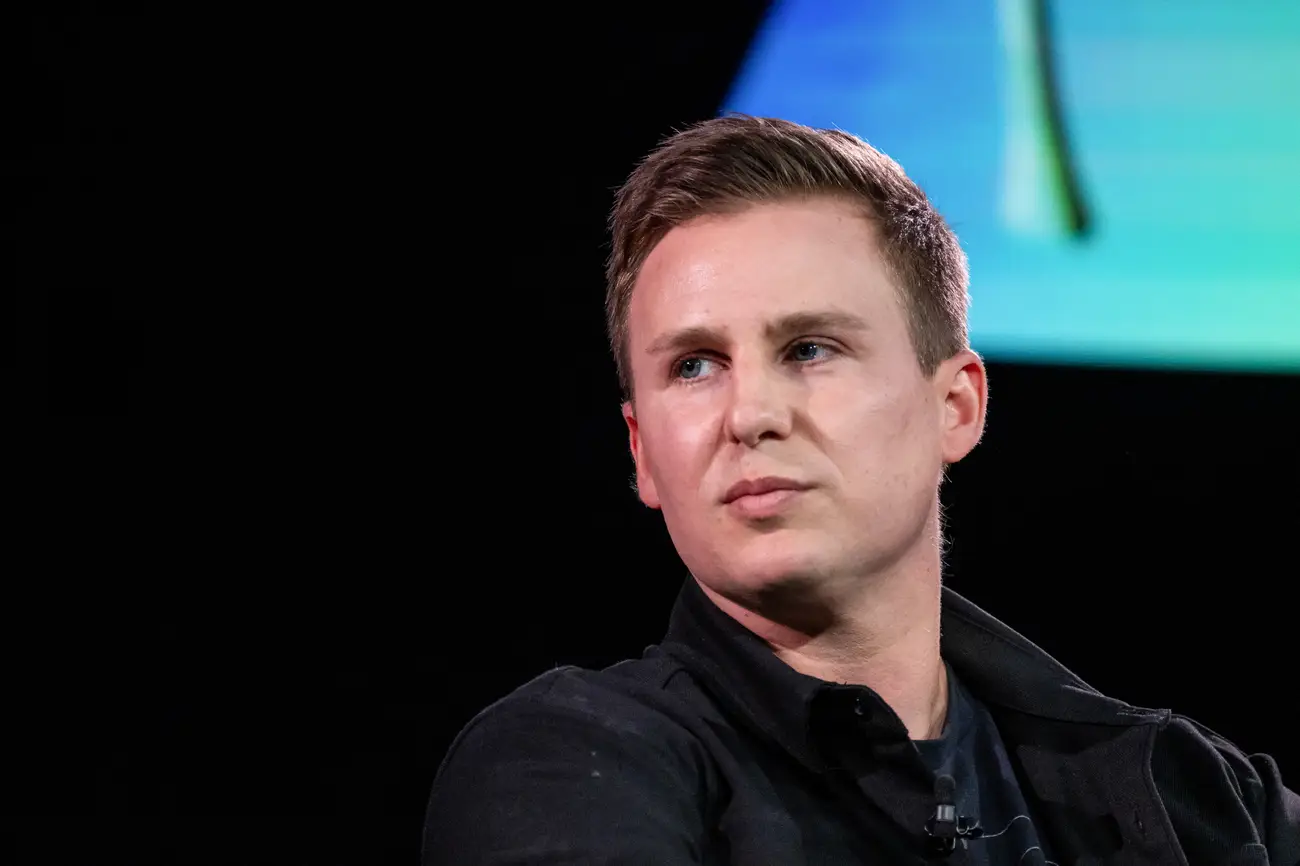
Hark, the AI lab founded by serial entrepreneur Brett Adcock, has raised over $700 million in a Series A round valuing the company at $6 billion post‑money. The round was led by Parkway Venture Capital and drew participation from Nvidia, Align Ventures, AMD Ventures, ARK Invest, Brookfield, Greycroft, Intel Capital, Prime Movers Lab, Qualcomm Ventures, Salesforce Ventures, and Tamarack Global.
The raise is one of the largest Series A rounds in the history of the AI industry, and it comes for a company that has shared remarkably little about what it is actually building. That combination of enormous capital and minimal public disclosure has made Hark one of the most closely watched new entries in consumer AI.
What Hark Says It Is Building
Hark describes itself as an AI lab developing the most advanced personal intelligence in the world. The company is taking a vertically integrated approach, building proprietary foundation models, software systems, bespoke hardware, and the interfaces that connect them into a single platform. The stated goal is a universal interface between humans and machines: an AI personal assistant that works with existing products and services rather than replacing them, and that becomes genuinely useful to ordinary people rather than primarily to software developers.
Four capabilities are at the center of what Hark says its system will deliver:
- Natural speech and vision interaction, with the system able to listen, see, and respond without artificial friction
- Persistent memory that compounds over time, so the assistant becomes more accurate and personalized the more it is used
- Deep personalization that makes the system feel like it knows the user rather than serving generic responses
- Proactive operation, anticipating needs without waiting to be prompted
The company plans to release its first multimodal models this summer. Those models will underpin the personal AI platform and will be accompanied by a native hardware device, the form factor of which has not been publicly specified.
The Founder's Track Record and Why It Matters Here
Brett Adcock is not a first‑time founder navigating venture capital for the first time. He sold Vettery, an AI‑driven talent marketplace, to the Adecco Group for $110 million in 2018. He then founded Archer Aviation, the electric air taxi company that went public and became one of the higher‑profile entries in the emerging aviation technology category. He subsequently founded Figure AI, the humanoid robotics company that has positioned itself among the most technically credible players in that fast‑moving sector.
Adcock is reportedly worth $19 billion. He seeded Hark personally with $100 million of his own capital before the Series A was raised. That level of founder commitment is rare and meaningful to institutional investors assessing long‑term conviction.
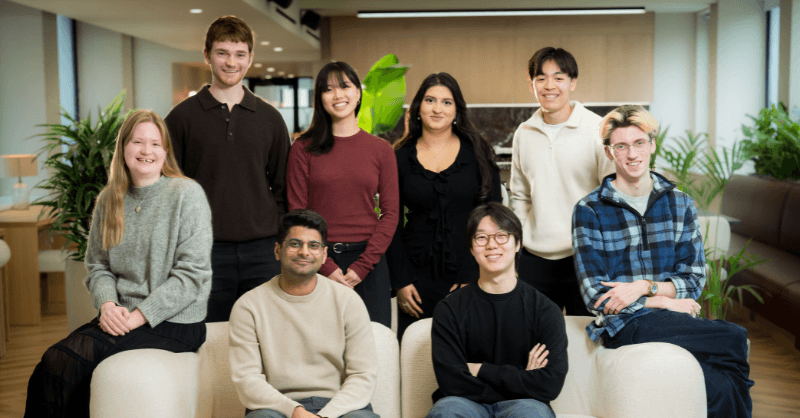
Hark operates on the same San Jose campus as Figure AI and Archer, which has allowed the company to recruit quickly across disciplines. The team currently includes former Meta AI researchers alongside designers and engineers from Apple and Tesla. Hark's design director is Abidur Chowdhury, a former senior Apple product executive, who declined to reveal product specifics in recent media conversations but noted that investor interest accelerated significantly following a series of internal demos. Hark's models are already being trained on Figure's robots, though the companies maintain separate operations and separate strategic trajectories.
The team was approximately 70 engineers and designers at the time of the announcement, with the Series A capital targeted in part at growing that count to 200.
Why the Market Is Ready for This Bet
Chowdhury framed the competitive landscape with precision when he spoke to TechCrunch this week. The AI tools with the most traction right now, coding assistants, enterprise productivity tools, and developer‑facing models, are working. But they serve people who already work in software. The consumer population, the ordinary person trying to navigate health decisions, manage finances, understand a legal document, plan a trip, or stay organized across a complicated life, has not been meaningfully served by any AI product yet.
Anthropic has publicly shifted toward coding tools. OpenAI is in the same direction ahead of its IPO. The space for a consumer‑first AI product with the infrastructure, the capital, and the hardware depth to build something genuinely different is more open than it has been at any point since large language models became capable enough to act as personal assistants.
Hark is raising and building on the premise that the category still needs a winner.
Use of Capital
Adcock announced that the $700 million will be deployed across four areas:
- Scaling GPU infrastructure, with a cluster of thousands of Nvidia GPUs already coming online this spring
- Accelerating AI model development across the multimodal stack the company has been building internally
- Growing the engineering team from approximately 70 to 200, targeting researchers and designers from frontier AI labs and hardware companies
- Designing and manufacturing the next generation of AI hardware, the physical product through which Hark's models will reach users
The investor roster carries strategic weight beyond capital. Nvidia, AMD, Intel, and Qualcomm all participating in the same round is a signal that the company's hardware roadmap is credible across competing chip architectures. ARK Invest's participation connects Hark to one of the most prominent long‑term technology investment theses in the public market. Salesforce Ventures signals potential enterprise‑adjacent applications even for a product being positioned as consumer‑first.
The round was oversubscribed, meaning investor demand exceeded the amount Hark chose to raise, which is a relevant data point in a market where many large rounds take months to close.
Whether Hark can translate a compelling thesis, extraordinary capital, and a proven founder into the AI consumer product that the mass market has not yet found is the question its competitors, and the broader industry, will spend the next 18 months watching closely.
Stay informed
Startup news in your inbox
Get important funding rounds, founder stories, and startup updates.
No spam - only important startup updates.