Jaipur Robotics Raises €4.3M to Give Waste Plants an AI Operating System, One Crane at a Time
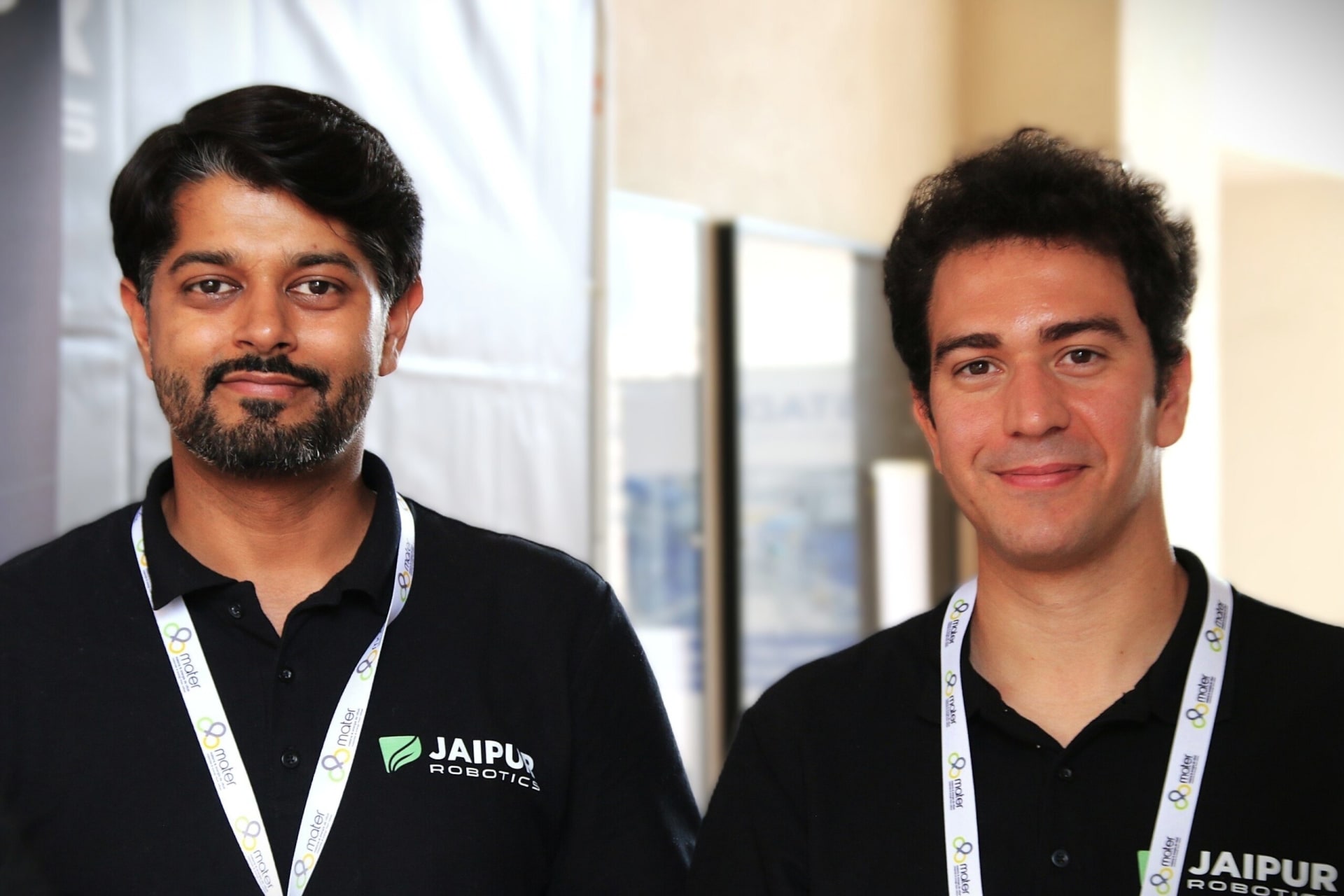
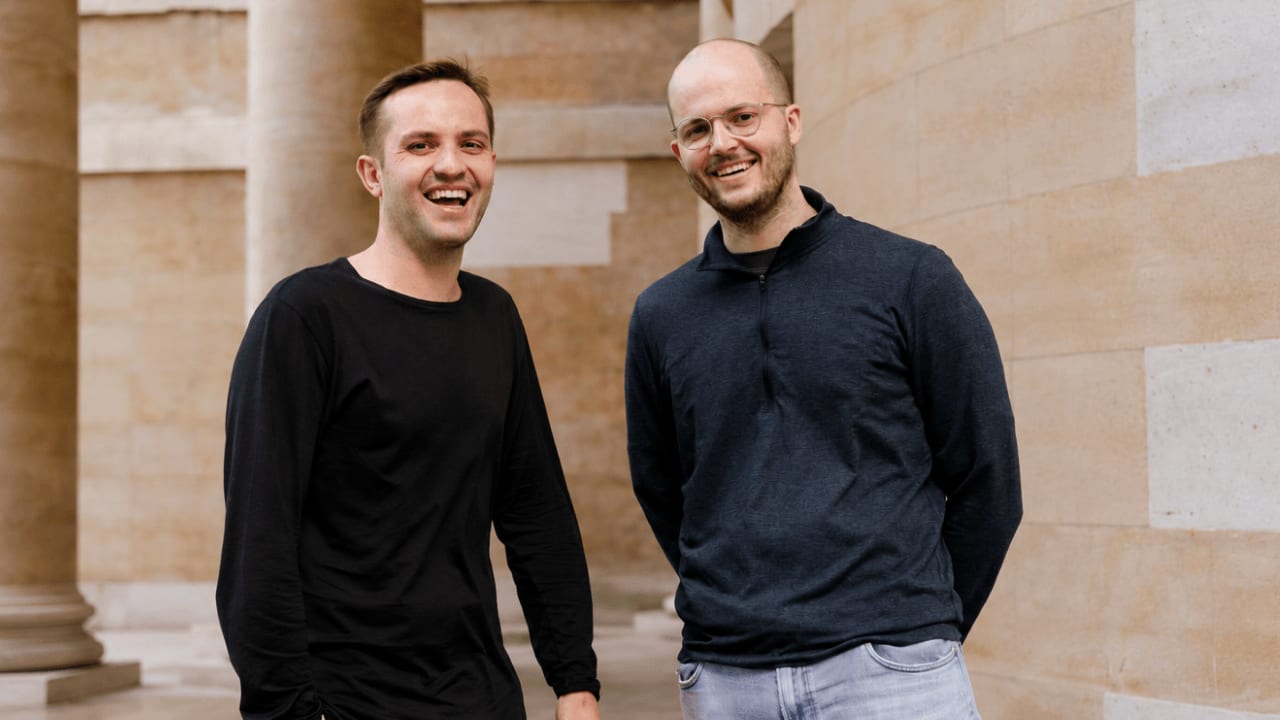
Ermes Zamboni (CEO) and Nikhil Prakash (CTO)
Image credit: Jaipur Robotics
Jaipur Robotics, a Swiss startup building AI computer vision systems for waste‑to‑energy plants, has raised 4.3 million euros in a seed funding round co‑led by EquityPitcher Ventures and High‑Tech Gründerfonds, or HTGF, as it works to expand its technology across more industrial plants in new regions.
The round brings Jaipur Robotics' total funding to nearly 6 million dollars, following a 725,000 euro pre‑seed round led by TiVentures in March 2025 and an additional 161,000 euros secured from Venture Kick shortly after. The company was founded in 2024 by chief executive Ermes Zamboni and chief technology officer Dr. Nikhil Prakash, both of whom combine engineering and deep learning expertise from ETH Zurich with hands‑on experience building industrial automation solutions. Based at Tecnopolo Ticino in Manno, Switzerland, the founders' origin story traces back to a chance encounter: the managing director of a major European waste‑to‑energy plant recognized the potential of their early work at an event in Italy, a connection that led directly to the specialized solution the company has since built for the industry.
Jaipur Robotics targets a persistent and costly inefficiency inside the global waste‑to‑energy sector. There are more than 3,100 waste‑to‑energy plants worldwide, operating within a market worth approximately 40 billion euros, and the large majority still rely on manual monitoring and largely analogue processes to manage the waste flowing into their furnaces. Waste bunkers can contain concrete blocks, metal parts, gas cylinders, and other hazardous or oversized objects mixed in with ordinary waste, materials that can damage equipment, block furnaces, and trigger costly unplanned shutdowns if they go undetected before reaching the incineration process. The company estimates these inefficiencies, spanning unplanned shutdowns, poor waste mixing, and undetected hazardous materials, can cost individual plants up to 3.6 million euros annually.
The company's platform, Jaipur Intelligence, uses patent‑pending computer vision and deep learning algorithms to provide real‑time monitoring of waste bunkers. The system detects oversized and dangerous items and sends instant alerts to crane operators before hazardous material reaches a furnace, while separately mapping the calorific value of incoming waste to optimize mixing for more stable, efficient combustion. Jaipur Robotics also offers crane tracking technology, providing precise, real‑time monitoring and predictive guidance for the position and operational status of one or multiple overhead cranes working within a plant's waste bunker, extending the platform from pure hazard detection into active operational automation.
The scale of data behind that system is substantial for a company only two years old. Jaipur Robotics has assembled what it describes as the largest European waste‑to‑energy dataset, comprising more than 50 million labelled images, and its system now analyses more than 5 million tonnes of waste per year while detecting hazardous materials with 99 percent accuracy. Customers report measurable results directly tied to that performance: more than 80 percent fewer unplanned shutdowns through real‑time hazard detection, and more than 1 million euros in added value per plant annually from improved waste mixing, as calorific‑value mapping optimises combustion and regulatory compliance simultaneously.
Zamboni framed the company's ambition well beyond its current hazard‑detection product. "We envision a future where data from waste fully drives safety and automation," he said. "This round enables us to revolutionise entire plant operations." HTGF investment manager Anna Stetter pointed to the specific combination of factors that convinced the firm to co‑lead the round: "the combination of a dataset, a founding team with rare depth across mechanical engineering, deep learning, and industrial deployment, and outstanding, measurable results at customer sites." EquityPitcher investment manager Silvan Gehmann echoed that assessment, noting that "Ermes, Nikhil, and the team have built the right foundation to define this category globally," while emphasizing that staying close to customers would continue shaping the company's broader product vision.
Jaipur Robotics has already deployed its technology across more than 35 waste facilities in Europe, including a partnership with the Azienda Cantonale dei Rifiuti for the Giubiasco waste‑to‑energy plant in Ticino, Switzerland, giving the company a well‑established regional foothold ahead of this larger funding round. The company was also featured in Inc42's August 2026 "30 Startups To Watch" list, reflecting growing recognition beyond its home market.
With the new capital, Jaipur Robotics plans to pursue market leadership within its existing European base, expand into new geographic regions including India, and further verticalise and broaden the depth of its product, with crane automation emerging as a particular area of focus going forward. The company's longer‑term ambition extends well beyond waste‑to‑energy specifically: Jaipur Robotics has described its goal as becoming the leading operating system for the broader global waste management industry, a market it estimates at 1.1 trillion euros, using waste‑to‑energy as its initial beachhead before expanding into adjacent industrial verticals including cement and biomass plants that share similar operational and safety challenges. Whether that broader operating system ambition proves achievable will likely depend on how effectively Jaipur Robotics can replicate its European deployment success as it moves into new markets like India, where waste management infrastructure, regulatory requirements, and plant operating conditions differ considerably from the European facilities its technology was originally built and validated against.
Topics
Stay informed
Startup news in your inbox
Get important funding rounds, founder stories, and startup updates.
No spam - only important startup updates.
Comments
Text only. No links or images.
No comments yet.