Serverpod Launches App Studio To Fix What Vibe Coding Leaves Broken
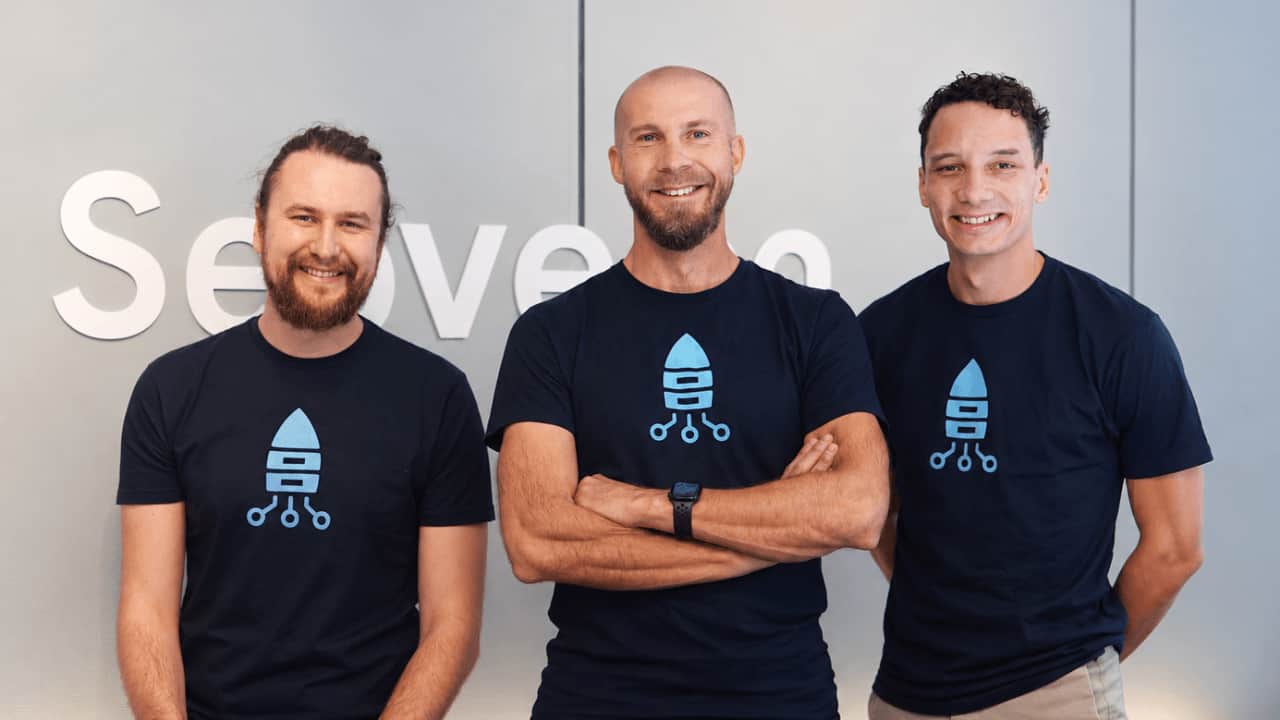
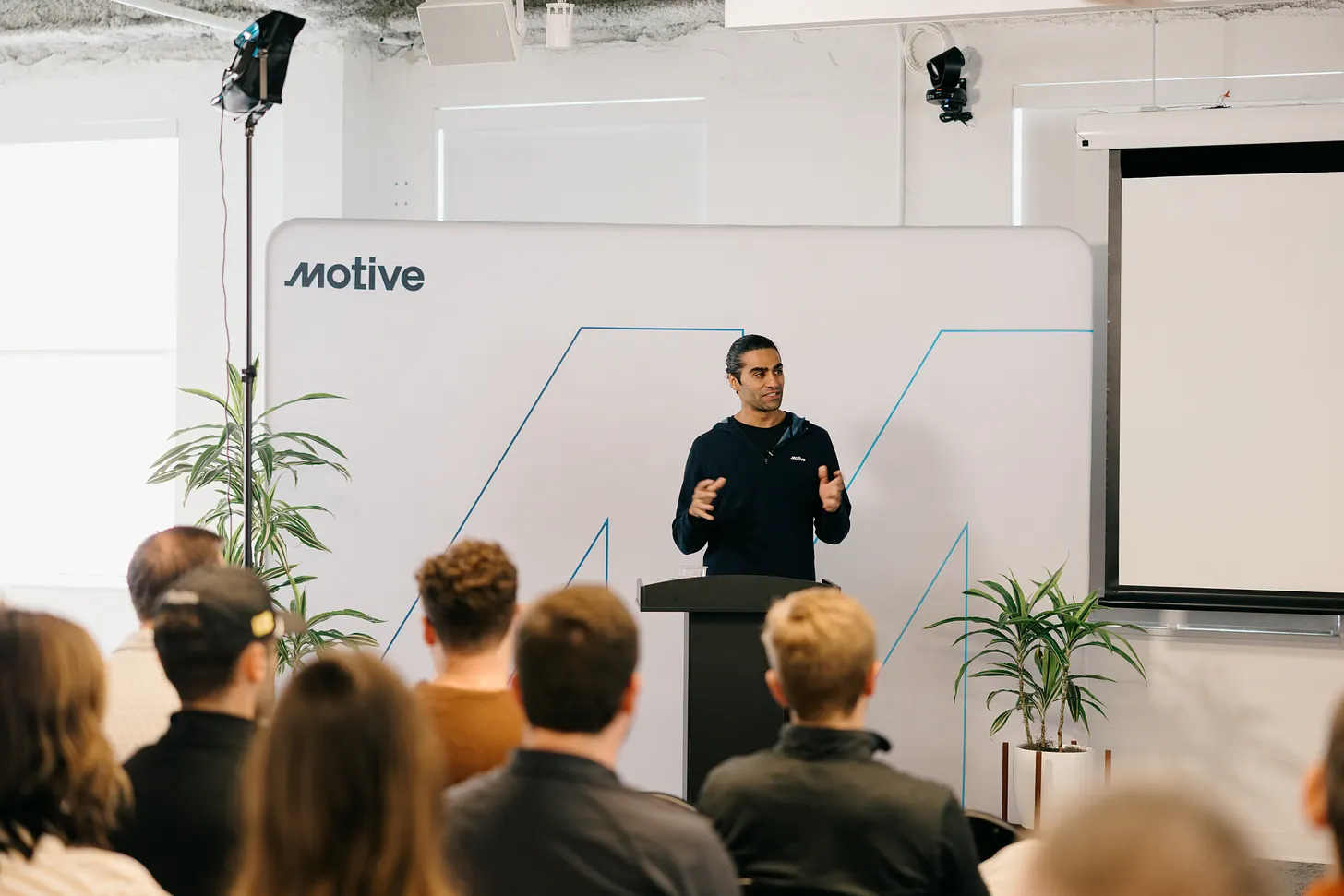
Serverpod founder Viktor Lidholt
Image credit: Serverpod
Serverpod, a Stockholm based backend framework company, has released App Studio in public beta, a development environment built specifically to help vibe coded applications survive contact with real users, without building an AI coding model of its own to do it.
That last detail sets Serverpod apart from most of its peers in the developer tools space. As AI coding agents have become central to how a growing share of new software gets built, many developer tool companies have raced to build or acquire their own agents, betting that owning the model is the way to own the workflow. Serverpod has taken the opposite position, building App Studio to work underneath whichever coding agent a developer already prefers, rather than trying to compete with agents like Claude Code, Cursor, Codex or Antigravity directly.
The company was founded in 2023 by Viktor Lidholt, a former Google software engineer, and has built Serverpod as an open source backend framework written in Dart for the Flutter developer community. That existing framework, aimed at giving Flutter developers a full backend without leaving the Dart ecosystem, is the foundation App Studio is built on top of.
The problem Lidholt is trying to solve sits at a specific point in the AI coding pipeline that has become increasingly visible as vibe coding has matured. Turning an idea into a working prototype has become dramatically easier, since general purpose coding agents can generate code for almost any stack in minutes. What those agents do not remove is the underlying complexity of mobile platforms, databases, deployment, security and production infrastructure, the pieces that only start to matter once a prototype needs to hold up under real traffic. According to Lidholt, vibe coded applications frequently run into trouble exactly at that transition, since many AI coding tools optimise for visual output that looks finished rather than for the kind of robust, scalable architecture a growing user base actually requires. Common failure points include security flaws, missing access controls, databases that were never properly optimised, and error handling that fails silently, masking bugs rather than surfacing them.
App Studio is designed as a downloadable environment containing everything needed to create and run Flutter and Serverpod projects without the setup work that normally comes with assembling a full stack from scratch. Developers who build inside it retain ownership of their code and can target mobile, desktop and web from the same project. A central design choice is that the environment is built around AI coding agents rather than around one specific agent, so a developer can switch which agent they use for a given project without needing to change the underlying stack that agent is writing code into. Lidholt has framed that flexibility as a deliberate bet against locking developers into any single AI provider, arguing that coding agents are improving quickly enough that a company should not have to commit its application to whichever agent happens to be best at the moment it was built.
That framing extends into how Lidholt talks about the durability of software built through App Studio more broadly. Much of the public conversation around vibe coding focuses on whether someone without a software background can produce a working app at all. For Lidholt, the more consequential question is what happens after that app works, whether another developer can pick up the resulting codebase and understand it, whether the underlying data is portable rather than locked into one platform, and whether the software can keep scaling as it gains real users. Lidholt has said the broader goal behind Serverpod is software that can outlive both the original prompt that created it and, eventually, App Studio itself, rather than software that only functions as long as the tool that generated it keeps running.
Although App Studio launched as a downloadable product, the underlying Serverpod and Flutter stack is also capable of running inside a web browser, leaving room for a browser based version of the product in the future. Serverpod has also left open the possibility of partnering directly with companies building their own AI coding agents, suggesting the company sees itself as complementary infrastructure sitting beneath the agent layer rather than a permanent holdout from it.
The launch lands at a moment when a large and growing share of new startup codebases are being generated primarily by AI rather than typed by hand, a shift that has already reshaped what founders without traditional engineering backgrounds are able to attempt on their own. As more of those AI generated codebases move from single user demos into products with paying customers, the gap Serverpod is targeting, between an app that works in a demo and one that can survive production traffic, looks likely to affect a growing number of teams rather than a narrow edge case. Whether an AI agnostic approach proves more durable than the vertically integrated alternative most competitors are pursuing will depend on how well App Studio's promise of agent portability holds up as the underlying coding agents themselves keep changing shape.
Topics
Stay informed
Startup news in your inbox
Get important funding rounds, founder stories, and startup updates.
No spam - only important startup updates.