Shilpa Shetty Kundra Joins Kolkata-Based Kids' Lifestyle Brand Rosada as Strategic Investor to Drive Pan-India Expansion
Editorial Team
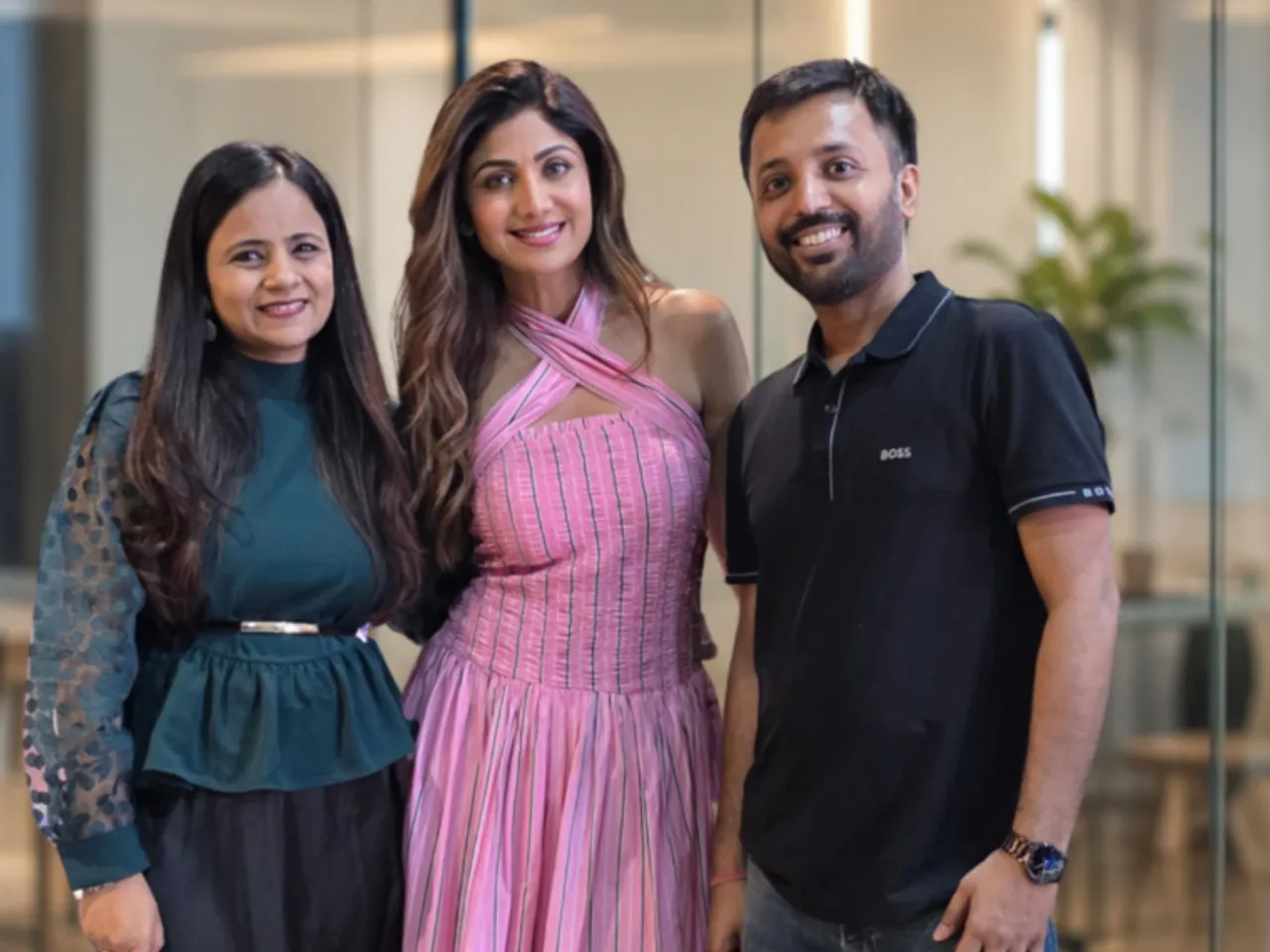
Rosada, the Kolkata‑based direct‑to‑consumer children's lifestyle brand, has announced an undisclosed strategic investment from actor and entrepreneur Shilpa Shetty Kundra, marking one of the more significant celebrity‑to‑investor partnerships in India's fast‑growing premium kids' products segment. The deal, financial details of which were not disclosed, sees Shetty Kundra transition from customer to co‑investor, a journey the brand's founders describe as a rare, product‑merit‑driven endorsement of where Rosada is headed.
Fresh capital from the investment will be deployed across three areas: geographic expansion into new regions of India, a broadening of the product portfolio, and strategic team expansion across design, marketing, and operations. Rosada is also present on major e‑commerce platforms including FirstCry, Amazon, and Myntra, and plans to deepen its presence across digital sales channels as it scales.
What Rosada Is and Why It Has Stood Out
Rosada was founded in 2014 by husband‑and‑wife duo Shalu Agarwal and Bhupesh Agarwal, who have built the brand around a design‑led, quality‑first philosophy in a children's products category that has historically been dominated by generic, mass‑market offerings. The brand's portfolio spans personalised children's accessories, bags, bedding, travel accessories, home décor, and everyday utility products for infants and young children.
What sets Rosada apart from most players in the segment is its in‑house design and production capability. Rather than outsourcing manufacturing and applying a label, the company controls the full production process, enabling tighter quality standards and a design aesthetic that has resonated strongly with the urban, millennial parent demographic that makes up its core customer base. The brand operates through a digital‑first model, with approximately 90 percent of its revenue generated through its own website, a metric that reflects both the strength of its direct customer relationships and the efficiency of its owned‑channel economics.
The company competes in a segment that includes brands such as Little Pipal, Malabar Baby, and Kidbea, but its positioning at the premium, design‑differentiated end of the market has given it a distinct identity that is difficult to replicate without the same vertical integration model.
Shark Tank India and Its Commercial Impact
Rosada's mainstream visibility expanded significantly following its appearance on Shark Tank India Season 5, where the brand secured a deal with three investors simultaneously. That three‑shark close is a relatively uncommon outcome on the show and a strong public signal of investor confidence in the brand's fundamentals. According to the company, the Shark Tank appearance drove a near‑doubling of revenue during the period, validating both the brand's commercial appeal and its ability to convert visibility into sales.
That inflection point appears to have been what positioned Rosada for the next stage of its growth story and, ultimately, what brought Shetty Kundra to the table as a strategic partner. The combination of the show's reach, the product quality that Shetty Kundra experienced firsthand as a parent, and the commercial momentum post‑Shark Tank created the conditions for a strategic conversation that moved quickly to partnership.
Shetty Kundra's Investment Rationale and Track Record
Shilpa Shetty Kundra is among the more active celebrity investors in India's startup ecosystem, with a portfolio that now spans thirteen investments across categories including health, wellness, food, and consumer brands. Her recent investments include a December 2025 stake in nutraceutical food startup WickedGud, a January 2025 investment in agritech platform KisanKonnect during its Series A, and an August 2025 investment in Limelight Lab Grown Diamonds. The breadth of the portfolio reflects a deliberate investment approach rather than opportunistic celebrity deal participation.
In a statement accompanying the Rosada announcement, Shetty Kundra said the product spoke for itself. She cited the design sensibility, the quality of materials, and the attention to detail as the primary draw, noting that her experience with the brand as a parent gave her the confidence to back it with full conviction. She described Rosada as having everything needed to become the definitive kids' lifestyle brand in India.
The investor framing matters here. Shetty Kundra is not being positioned as a brand ambassador but as a strategic investor, a distinction that signals she intends to be actively involved in the company's growth rather than providing name‑only endorsement. For a brand at Rosada's stage, that combination of capital, credibility, and an invested stakeholder with direct consumer insight is operationally meaningful.
The Broader Trend: Celebrities as Startup Stakeholders
Rosada's investment comes as India's startup and consumer brand ecosystem undergoes a structural shift in how celebrities engage with companies. The traditional endorsement model, which involves a fixed fee for advertising appearances, is increasingly being replaced or supplemented by equity or strategic investment arrangements that align the celebrity's incentive with the company's long‑term success.
This shift has accelerated in 2026. In the same period as the Rosada announcement, actor Anushka Sharma was onboarded as an investor and strategic collaborator at Agilitas Sports as it expands in the athleisure segment. Actor Kriti Sanon joined jewellery brand GIVA as both brand ambassador and equity investor. Cricketer Ajinkya Rahane invested in footwear brand Chupps. These transactions reflect a recognition among consumer brand founders that the right celebrity investor brings not just capital or promotional reach but a form of product‑authentic third‑party validation that is difficult to manufacture through traditional marketing spend.
For Rosada specifically, Shetty Kundra's profile as a working parent with established credibility in health and wellness, and her visibility among the aspirational urban parent demographic that forms Rosada's core customer base, makes the strategic alignment particularly coherent.
Co‑founder Shalu Agarwal described the investment as a defining moment for the brand, reinforcing confidence in a larger vision to make Rosada the leading homegrown kids' lifestyle brand in India. With the brand's digital‑first foundation, in‑house manufacturing model, and now both the commercial traction of a Shark Tank three‑shark deal and a high‑profile strategic investor in its corner, Rosada enters its next phase of growth with a more credible platform than most D2C children's brands at a comparable stage.
Stay informed
Startup news in your inbox
Get important funding rounds, founder stories, and startup updates.
No spam - only important startup updates.