Vietnam's $800 Million AI Market Has a Micro-Business Problem. SoBanHang Raised $3.8 Million From a Malaysian Bank to Fix It.
Editorial Team
Vietnam's AI funding has grown eightfold since 2023. Its startup ecosystem now counts over 4,000 active companies and three unicorns. Its AI market crossed $800 million in 2024 and is projected to reach multiples of that by the end of the decade. And yet, the majority of the country's economic activity runs through micro‑enterprises and family‑run businesses that still rely on manual bookkeeping, paper receipts, and manual cash management.
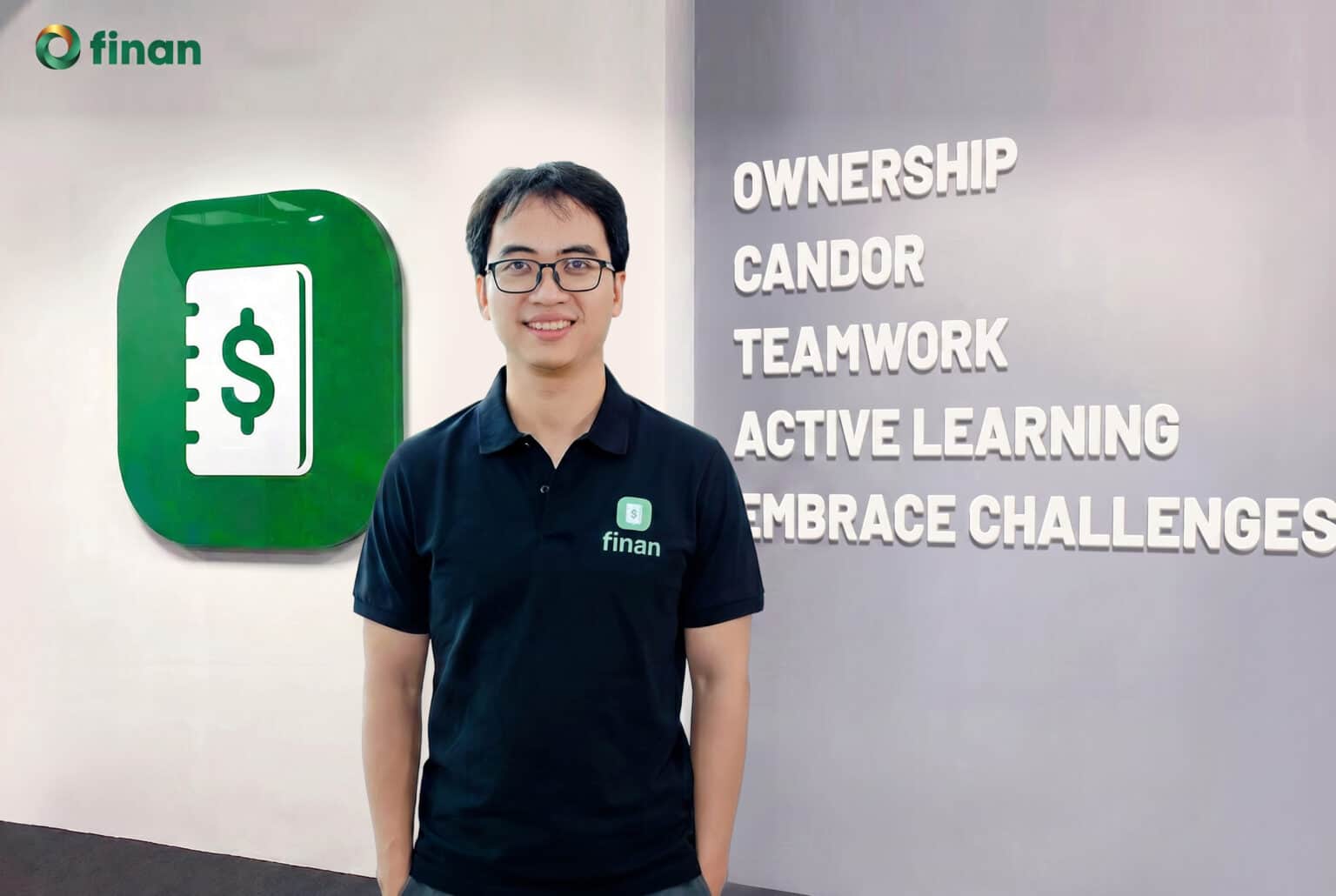
That gap between a rapidly modernizing economy and the technology infrastructure of its smallest businesses is exactly the problem that Finan, the Vietnamese startup operating the SoBanHang merchant management platform, was founded to close.
On May 12, 2026, Finan confirmed it had raised at least $3.8 million in a pre‑Series A round, anchored by Malaysia's Hong Leong Bank, which invested $2 million, and OSK‑SBI Venture Partners, which contributed $1.5 million. Existing backers FEBE Ventures and Antler also participated. Sources familiar with the deal told DealStreetAsia that the fundraising is still ongoing and additional closes are expected.
SoBanHang was founded in mid‑2021 by brothers Hai Long Bui and Hai Nam Bui as a mobile‑first platform for family‑run and micro‑businesses to manage sales, operations, and customer transactions. The app provides tools for sales management, order tracking, inventory control, invoicing, cash flow management, and embedded financial services.
In a statement delivered to TNGlobal, Finan described plans to use the investment to scale Finan One, the company's AI‑native business and finance operating system built on top of SoBanHang's transaction data infrastructure. Funding will also support embedded financial services, additional banking partnerships, and regional expansion into other Southeast Asian markets. CEO Bui Hai Nam described the product direction directly: "The plan is to use AI to simplify operational and financial workflows for SMEs by automating repetitive tasks and supporting faster business decision‑making."
The platform's growing value is visible through its emerging banking partnerships. A strategic partnership between Shinhan Bank Vietnam and Finan launched Shinhan Store, an integrated platform combining banking services with merchant management tools. Through Shinhan Store, merchants can manage sales, track revenue, handle inventory, and issue electronic invoices while also opening bank accounts and applying for loans within the same application.
Hong Leong Bank's $2 million investment is notably not a charitable bet. The Malaysian bank, which operates across Southeast Asia with a focus on building digital banking capabilities, is investing in SoBanHang because the platform gives it access to micro‑merchant relationships that traditional bank branches cannot efficiently serve at scale. A bank that wants to offer embedded financial products to millions of Vietnamese micro‑entrepreneurs needs to go through the app those merchants already use daily for their core operations. Finan is that app for a growing number of them.
The broader context for this raise is Vietnam's rapid emergence as a significant AI and fintech market. Investment in Vietnamese AI startups surged from $10 million in 2023 to $80 million in 2024, an eightfold increase in a single year. Vietnamese AI startups attracted over $130 million in Q1 2025 alone, surpassing the entire 2024 total in one quarter.
More at sobanhang.com
Stay informed
Startup news in your inbox
Get important funding rounds, founder stories, and startup updates.
No spam - only important startup updates.