StrainX Bioworks Raises $13M to Scale Precision Fermentation After Two Years Building in Stealth
Editorial Team
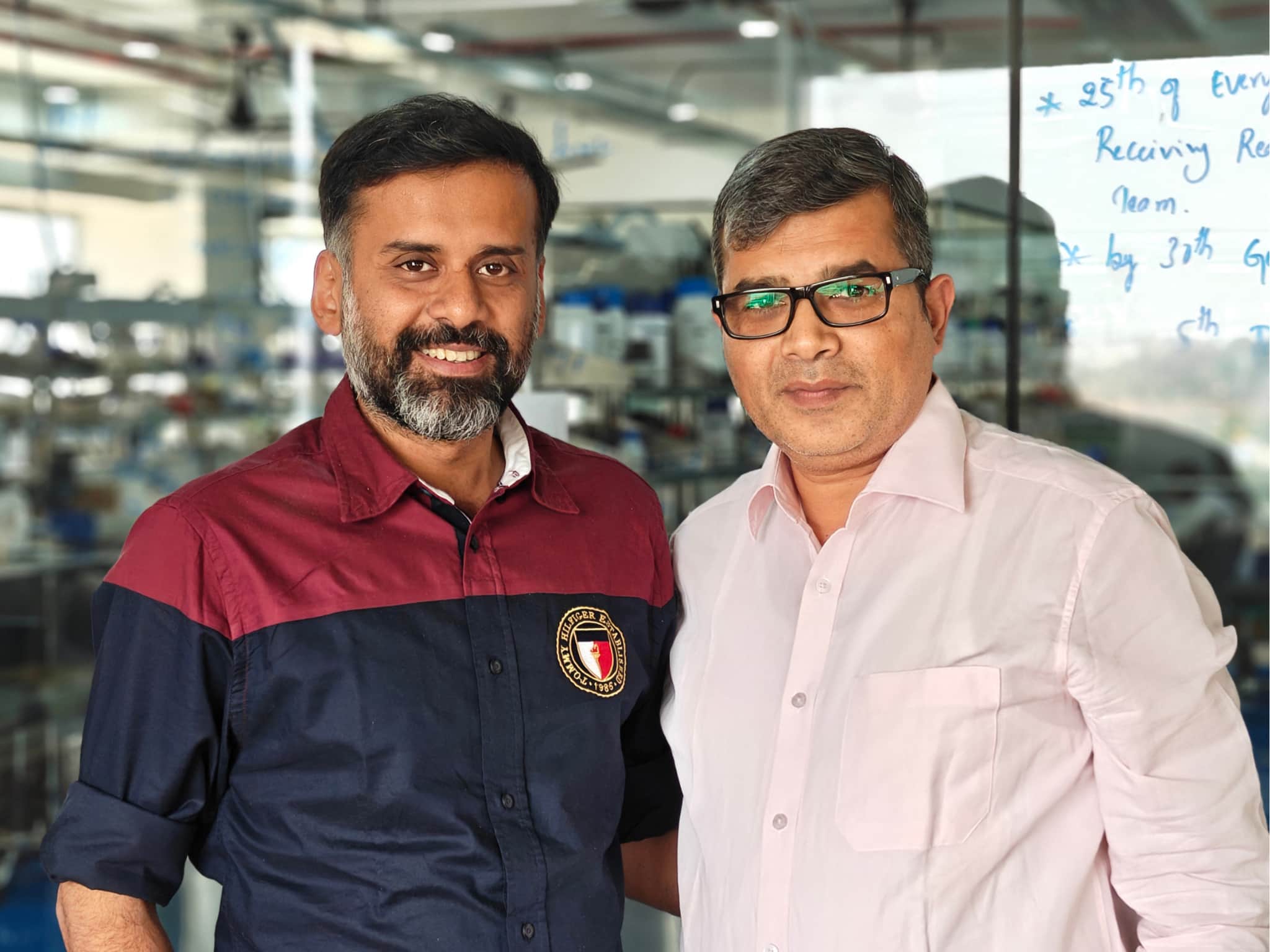
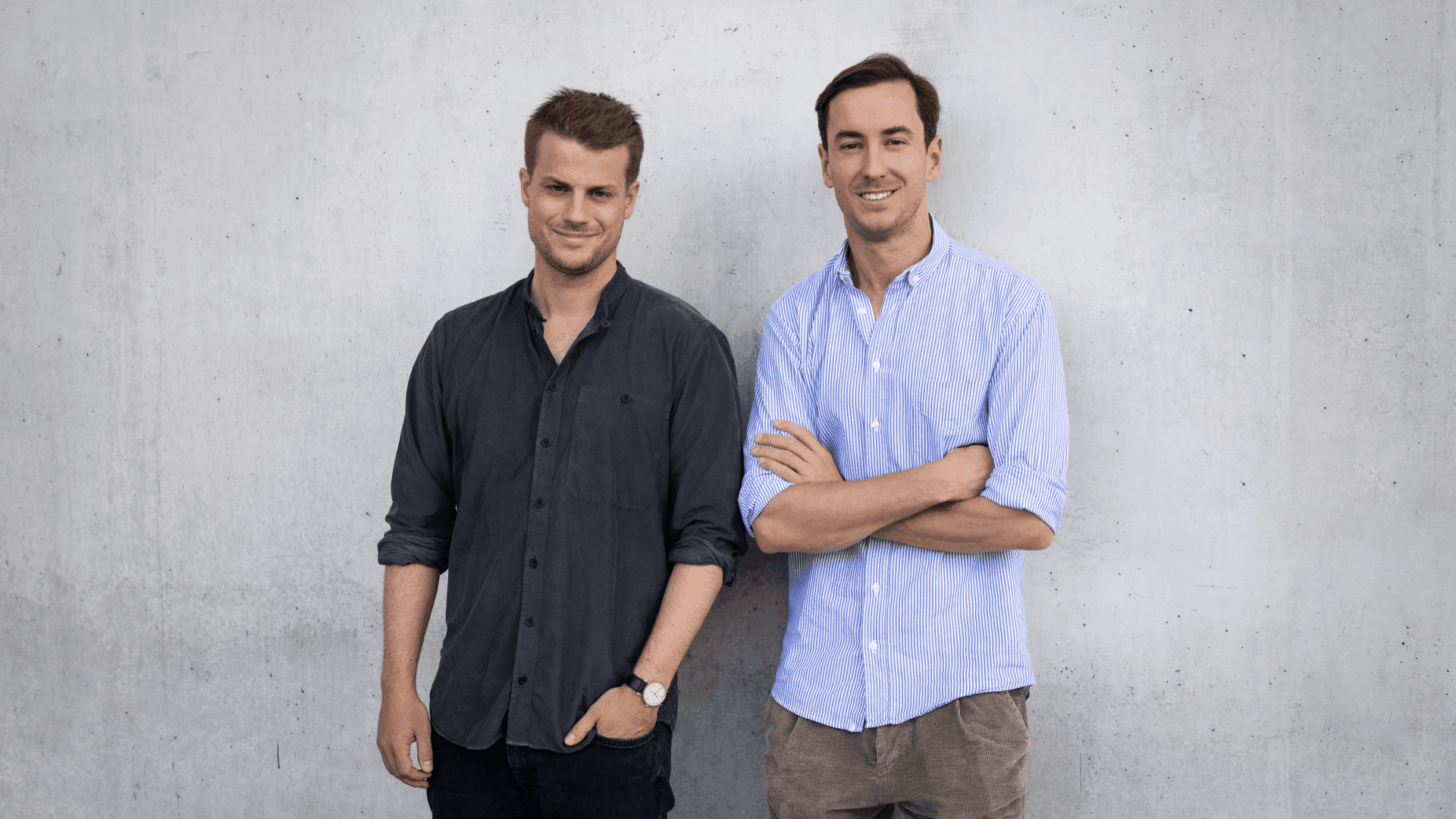
StrainX Bioworks, the Indian synthetic biology startup founded by IIT Delhi alumni Akshay Mittal and Alok Malaviya, has raised $13 million in a funding round co‑led by Prime Venture Partners and Leo Capital. Additional investors include Good Startup, Sparrow Capital, Sun Icon Ventures, Dholakia Ventures, and WindT Angels, a syndicate network founded by IIT Delhi alumni. The round marks the company's emergence from two years of stealth‑mode operations and signals a pivot toward commercial‑scale production.
The announcement came on May 25, 2026, and the capital will be deployed primarily toward expanding the company's bio‑manufacturing fermentation facility in Bhopal and accelerating commercialization across both the Indian market and the United States, where StrainX has already secured product approval.
Two Years Spent Building in Silence
The most important context for this raise is what StrainX did before it. Rather than going public with a vision and a deck, the founding team spent two full years quietly assembling the scientific and operational foundation required to make precision fermentation economically viable at scale in India.
During that period, the company built an integrated biotechnology platform covering four core disciplines: strain engineering, fermentation process design, scale‑up engineering, and product development. The team grew to more than 100 scientists, engineers, and operators, including 15 PhDs, a headcount and credential density that reflects the capital‑intensive, expertise‑heavy nature of deep‑tech bioprocessing.
The stealth phase culminated in a specific technical milestone: the successful demonstration of fermentation at the 10,000‑litre scale, a standard industrial benchmark that validates whether a biological process that works in a laboratory flask can be reproduced reliably in a commercial tank. Many synthetic biology companies collapse at this transition. StrainX passed it.
The company now operates a bio‑manufacturing fermentation facility in Bhopal alongside an R&D laboratory in Bengaluru. The Bhopal facility's current 10,000‑litre capacity is designed to be scaled tenfold to 100,000 litres over the next two years using the capital from this round.
What Precision Fermentation Actually Means
Mittal has explained the technical approach in plain terms. Synthetic biology involves engineering microbes at the genetic level to replicate natural biological processes, essentially programming cells to become factories for specific compounds. Precision fermentation puts those engineered microorganisms to work in controlled industrial environments, where they produce targeted outputs including proteins, enzymes, fats, and specialty ingredients at reproducible scale.
The practical result is the ability to manufacture ingredients that would otherwise require animal agriculture, petrochemical processing, or highly fragile supply chains dependent on weather, harvest cycles, and geographic constraints. StrainX's platform spans a wide range of output categories:
- Alternative proteins targeting food and nutrition applications including chocolates, icing, and nutritional supplements
- Specialty enzymes used in food processing, cosmetics, and pharmaceutical manufacturing
- Bio‑based materials with applications in industrial processes
- Agricultural inputs including bio‑pesticides and crop protection compounds
The company has received regulatory approval in the United States to commercialize its products and is simultaneously working through the approval process in India. That US clearance is significant because it opens a high‑value export market where ingredient buyers pay substantially more for certified, traceable, sustainably produced food and biotech inputs than the current Indian domestic market does.
The Investors and What They Saw
Prime Venture Partners and Leo Capital co‑leading the round positions StrainX within two investor networks that are increasingly active in Indian deep tech and biotech.
Good Startup, the Singapore‑based alternative protein specialist fund that raised $34 million for this category, made its first India investment through this round. That geographic and thematic choice reflects growing conviction that India's combination of scientific talent, lower operating costs, and large domestic food market makes it one of the most strategically important geographies for scaling precision fermentation outside North America and Europe.
WindT Angels, the IIT Delhi alumni syndicate among the investors, connects StrainX to its own alumni network from the institution where both founders trained, creating a commercial and advisory relationship that extends beyond capital into the scientific and engineering community that the company needs to continue recruiting from as it scales its 100‑person team further.
How the $13M Will Be Deployed
The capital allocation follows the operational priorities of a company moving from demonstrated scientific capability to commercial production volume:
- Primary deployment toward expanding the Bhopal fermentation facility from 10,000 litres to 100,000 litres of production capacity, a tenfold scale‑up that moves the company into the range where commercially meaningful volumes can be supplied to food and biotech buyers
- Continued R&D investment at the Bengaluru laboratory, including hiring additional scientists and upgrading analytical and process development equipment
- Go‑to‑market development for the US market, building the commercial relationships and regulatory documentation required to begin supplying ingredient buyers in North America
- Working capital to support the initial commercial production runs that will generate the company's first meaningful revenue at scale
The global alternative protein market was valued at $29 billion in 2025 and is projected to reach $290 billion by 2035, according to industry estimates, driven by both consumer demand for sustainable protein sources and the structural cost pressures on conventional animal agriculture from water scarcity, land use, and feed cost volatility. India's synthetic biology sector is significantly earlier in its development than US or European counterparts, but the combination of scientific infrastructure at IITs and IISc, lower fermentation operating costs, and a large domestic food market creates a genuinely differentiated cost position for companies that can get the scale‑up right.
StrainX's emergence from stealth with a validated 10,000‑litre process, a 100‑person technical team, US regulatory clearance, and $13 million to build to 100,000 litres positions it as one of the most credibly constructed early‑stage bets in Indian deep tech bioprocessing.
Stay informed
Startup news in your inbox
Get important funding rounds, founder stories, and startup updates.
No spam - only important startup updates.