Apple Is Reportedly Teaming Up With Klarna to Let Customers Lease Their Next iPhone Instead of Buying It
Editorial Team
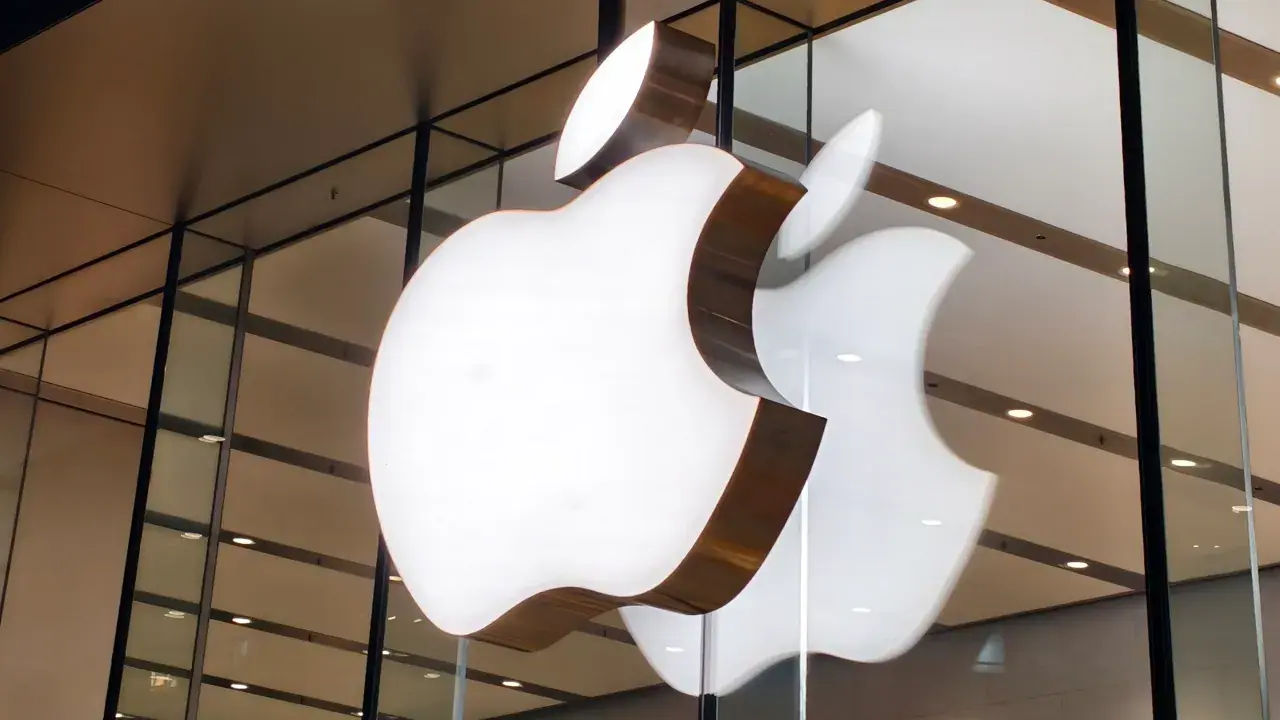
Image credit: Apple
Apple is reportedly preparing to launch a new device financing option called Apple Upgrade, a lease‑to‑own program that would let US customers spread the cost of iPhones, iPads, Macs and Apple Watches across multi‑year payment plans, with buy now, pay later company Klarna providing the financial backing behind the service.
The program is expected to begin on July 28, according to reporting on the plan, and marks a notable shift in how Apple approaches device financing at a moment when rising component costs are pushing hardware prices higher across the industry.
A Lease, Not Just an Installment Plan
Unlike a standard installment plan, where a customer simply pays off the full price of a device in smaller monthly increments, Apple Upgrade is reportedly structured to function more like a vehicle lease. Under the terms described in early reporting, customers would be able to keep their device at the end of the term, return it, pay off the remaining balance early, or upgrade to a newer model before the lease period ends, giving people more flexibility than a typical fixed installment agreement.
Reported terms include a 24 month lease period for iPhones and Apple Watches, and a 36 month term for Macs and iPads, reflecting the different upgrade cycles typical of each product category. Apple is expected to require a soft credit check for enrollment, a lighter form of screening than a full credit inquiry, while AppleCare protection would need to be purchased separately rather than being bundled automatically into the lease payment.
Rising Hardware Costs Are Reshaping How People Pay
The timing of Apple Upgrade lines up with a broader trend of rising prices for memory, storage and other core components, driven in part by surging demand for the same types of chips used in AI data centers. As those input costs climb, manufacturers across the electronics industry have faced pressure to either raise retail prices outright or find new ways to make the same sticker price feel more manageable to consumers.
A leasing model addresses that pressure indirectly. Even if the total cost of owning a device over its full lifecycle remains similar to or higher than an outright purchase, breaking that cost into a lower monthly payment can make premium hardware feel more accessible to price sensitive buyers, without Apple needing to lower its actual device prices or absorb margin pressure directly.
What It Means for Apple's Business Beyond the Sale
Beyond making devices easier to afford in the moment, a lease‑based program carries strategic advantages for Apple that extend past the initial transaction. Structuring payments around a defined lease term could encourage customers to upgrade their devices more frequently than they might under a traditional ownership model, since returning a device and starting a new lease may feel like a smaller decision than committing to buy a brand new device outright while still paying off an old one.
That shorter upgrade cycle could also feed a steady stream of returned devices back into Apple's refurbished hardware business, giving the company another channel for extracting value from used devices rather than relying solely on trade‑in programs. For Klarna, meanwhile, the partnership represents a meaningful expansion into premium consumer electronics financing, an area of exposure that carries different risk and repayment dynamics than the smaller‑ticket purchases the buy now, pay later industry built its reputation on.
Part of a Broader Shift in Consumer Tech Financing
Apple's reported move away from conventional financing options toward a leasing structure reflects how rising hardware prices are changing purchasing behavior even among relatively affluent consumers who have historically been able to absorb Apple's premium pricing without much friction. As component costs continue climbing amid competition from AI infrastructure buyers for the same manufacturing capacity, more consumer electronics companies may find themselves exploring similar leasing arrangements to keep monthly costs looking reasonable to shoppers, even as underlying device prices continue to rise.
Whether Apple Upgrade becomes a meaningful share of how US customers buy Apple devices will likely depend on how the lease terms compare in practice to existing carrier financing plans and trade‑in programs, both of which already offer many customers a path to a lower effective monthly cost. For now, the reported partnership with Klarna gives Apple a new lever to pull as it works to keep its device upgrade cycle moving in an increasingly expensive hardware environment.
Stay informed
Startup news in your inbox
Get important funding rounds, founder stories, and startup updates.
No spam - only important startup updates.