Callosum Raises $100M Seed, One of the Largest Ever in Europe, to Challenge AI's Chip Monoculture
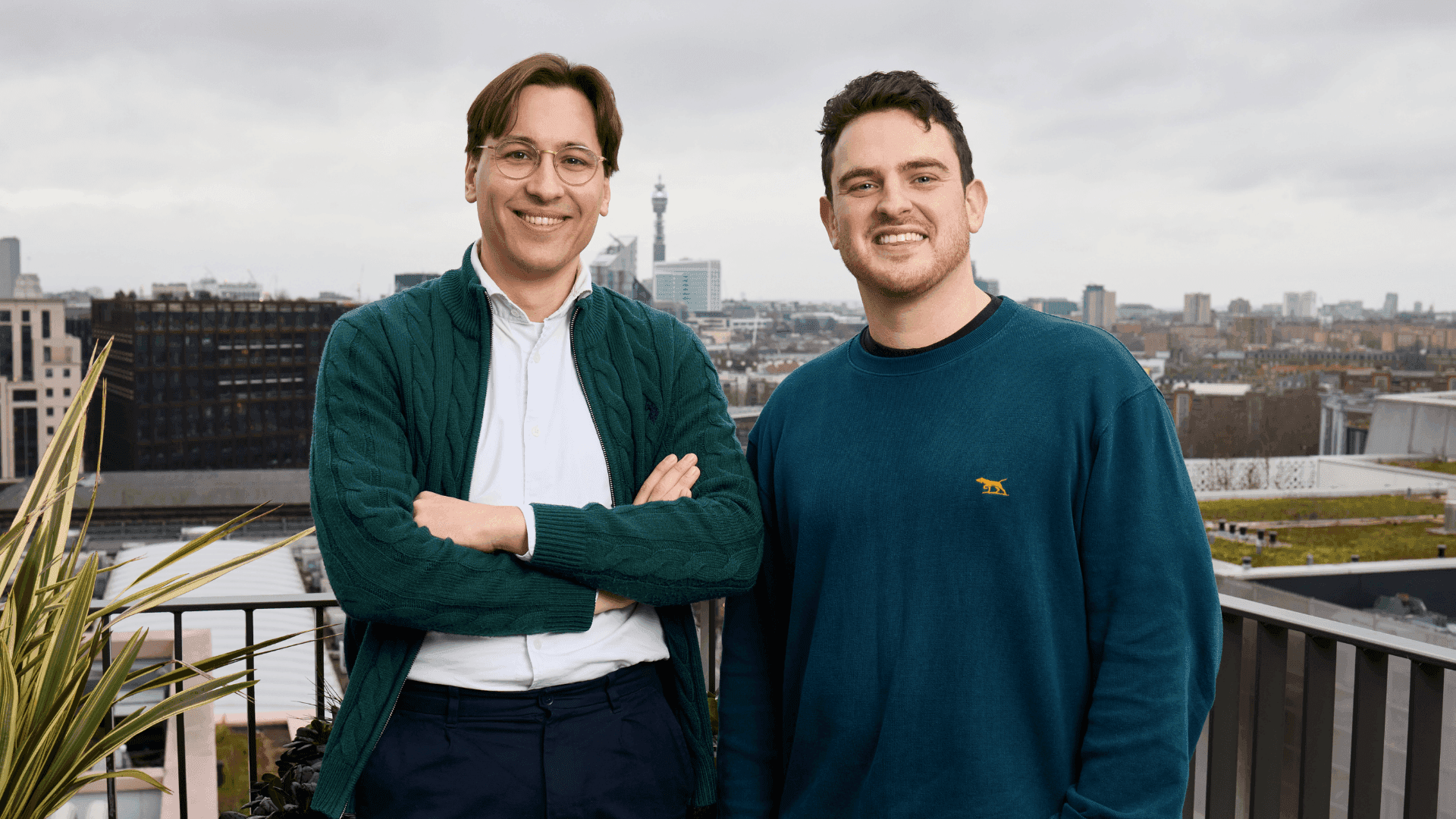
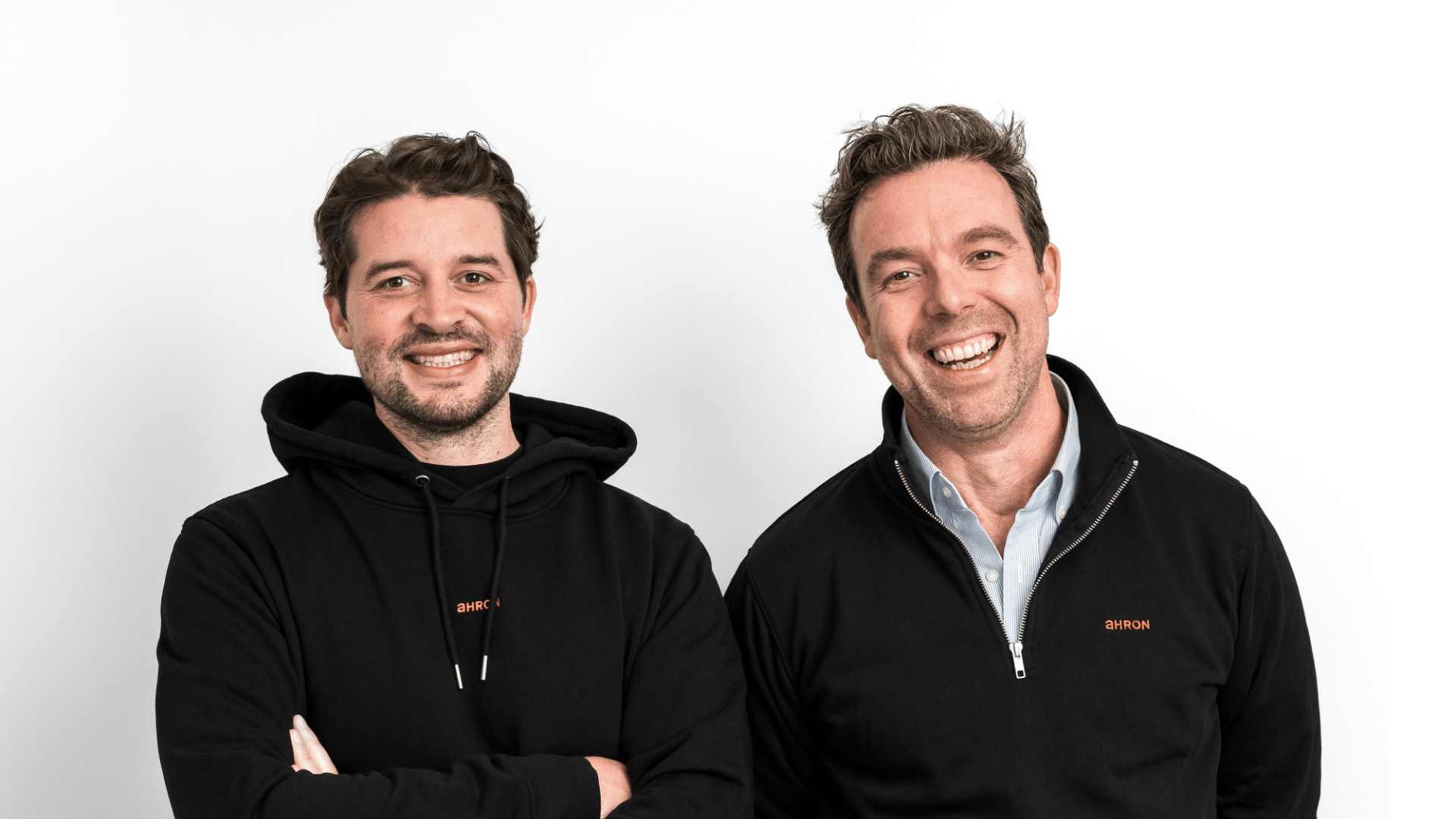
Callosum founder Danyal Akarca and Jascha Achterberg
Image credit: Callosum
Callosum, a London based AI infrastructure startup, has raised 100 million dollars in seed funding to scale its systems level software for routing AI workloads across different types of chips. The round was led by Atomico, with participation from Plural, DCVC, and a significant investment from the UK government's Sovereign AI Fund.
The size of the raise stands out even by the standards of a red hot AI funding market. Callosum only left stealth in February 2026 with 10.25 million dollars in pre‑seed funding led by Plural and supported by the UK's Advanced Research and Invention Agency, known as ARIA. Talks about a much larger round began circulating by May, when reports emerged that the company was in discussions to raise as much as 100 million dollars. That the round has now closed at the top of that reported range, just six months after Callosum's public launch, makes it one of the largest early stage AI infrastructure rounds in UK history and, according to Electronics Weekly, one of the largest seed rounds ever raised in Europe.
Callosum was founded by chief executive Danyal Akarca and co‑founder Jascha Achterberg, who met while pursuing PhDs in computational neuroscience at Cambridge around 2019. Their research explored how the brain achieves intelligence by combining many specialized circuits rather than scaling a single uniform structure, an insight that became the founding thesis behind Callosum's technology. The company argues that AI development has largely assumed that scaling one model architecture on identical chips is the only path to greater intelligence, an approach it describes as a costly monoculture that concentrates control in the hands of a small number of players centered around a handful of dominant model and chip providers.
Callosum's answer is a framework the company calls programmable heterogeneity. Rather than running an entire AI workload on one type of hardware, the software breaks complex AI operations down into their component tasks and routes each one to whichever combination of model and chip can complete it most cheaply and quickly, whether that means Nvidia GPUs, AMD processors, or increasingly specialized chips built specifically for inference. The company frames this as the layer that sits between AI applications and the compute running them, one that gains value as the chip market fragments further rather than betting on any single chip architecture winning out.
That fragmentation is precisely the backdrop Callosum is building against. Industry spending has been shifting rapidly from training AI models toward running them, and AI native companies frequently spend half or more of their revenue on inference alone. Deloitte has estimated inference workloads will account for roughly two‑thirds of all AI compute in 2026, up from about a third in 2023, with the market for inference optimized chips growing past 50 billion dollars this year. At the same time, hyperscalers are increasingly shipping their own custom silicon, and a new wave of specialized processors, spanning wafer scale designs to optical computing, is reaching production, creating exactly the kind of mixed hardware environment Callosum's software is built to navigate.
Alongside the funding, Callosum confirmed hardware partnerships with Cerebras Systems, the US wafer scale chip maker, South Korean chip developer Rebellions, and Axelera AI, giving the company direct integration points across a meaningfully diverse set of specialized inference hardware providers rather than relying solely on general purpose GPUs.
The involvement of the UK's Sovereign AI Fund carries particular weight. Callosum became the first equity investment made by the fund, a 500 million pound vehicle chaired by James Wise and launched in April with backing from UK technology secretary Liz Kendall and chancellor Rachel Reeves, aimed at building AI infrastructure capacity that reduces the country's reliance on foreign technology providers. Akarca has spoken directly to that positioning, arguing in April that the UK's depth of talent across universities and labs including DeepMind made it the natural place to build the company.
In under a year, Callosum has assembled a London based team drawn from Cambridge, Oxford, Imperial College London, MIT, DeepMind, and Intel, and the founders say they have published more than 70 academic papers between them, with the company also serving as a founding member of the Scaling Inference Lab at ARIA. One of the founders summarized the company's core bet bluntly at launch: "Big labs are currently betting that one model will rule them all. We think that's wrong."
With the new capital, Callosum plans to expand its London team, scale its software across a broader range of chip and model combinations, and accelerate its role in the UK's push toward sovereign AI infrastructure. Whether programmable heterogeneity proves durable as the industry's answer to rising inference costs, or whether it remains a niche layer serving customers unwilling to standardize on a single hardware provider, will likely become clearer as Callosum moves from its current early customer base toward broader commercial deployment over the coming year.
Topics
Stay informed
Startup news in your inbox
Get important funding rounds, founder stories, and startup updates.
No spam - only important startup updates.