AI Assistant Instinct Raises $350M at $2.5B Valuation in Weeks-Long VC Frenzy
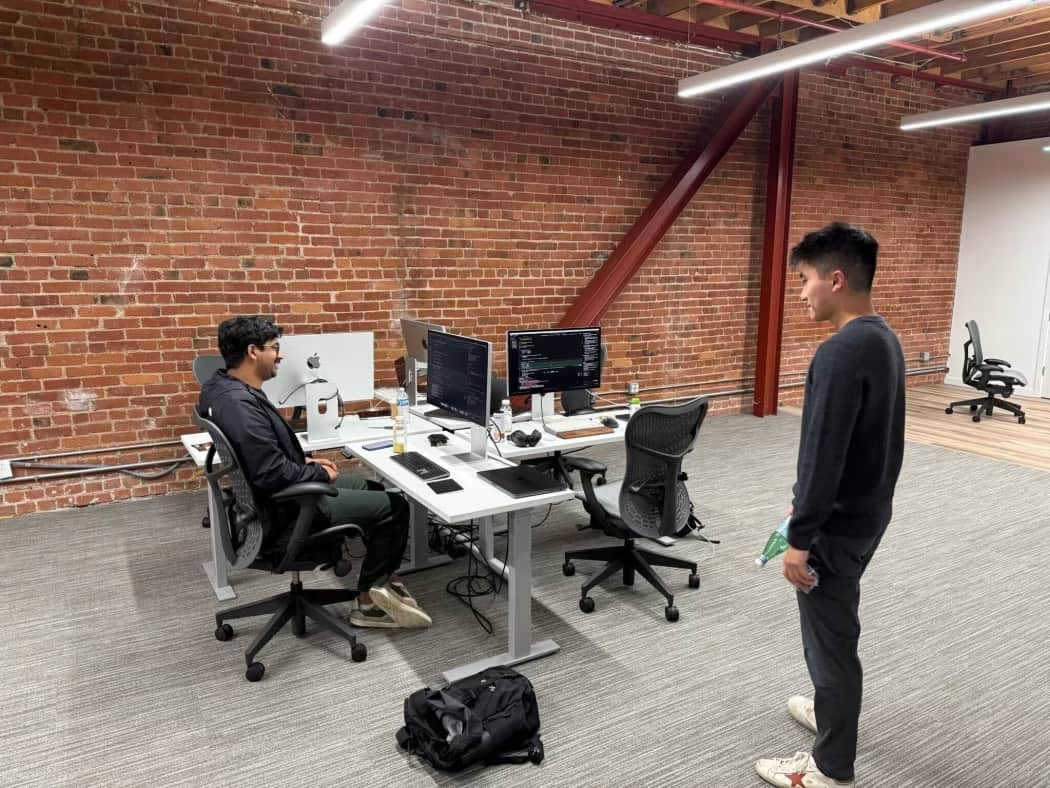
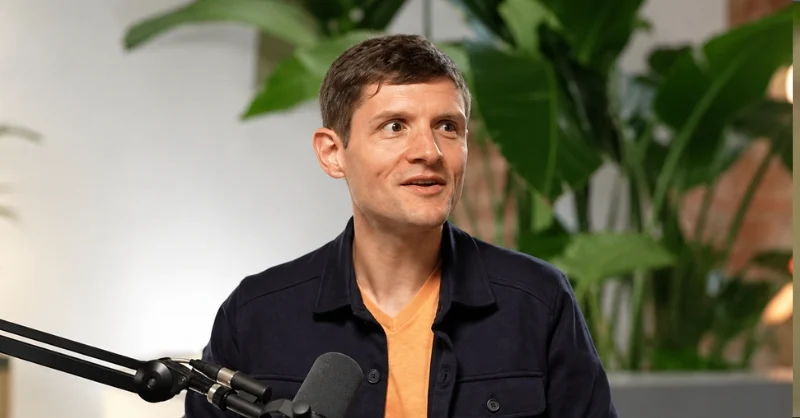
Instinct founder Noah Shinn and team
Image credit: Instinct
Instinct, a viral invite‑only AI assistant, has raised 350 million dollars in total funding and now carries a 2.5 billion dollar valuation, according to a Wall Street Journal report. The company's latest round, a 250 million dollar Series B, was co‑led by Index Ventures and Benchmark.
The speed of that valuation climb has become as much a part of the story as the product itself. According to Forbes, Instinct was valued at around 500 million dollars earlier in August, and before that, at roughly 100 million dollars only weeks prior. Within a span of just a few weeks, the company's valuation multiplied more than twenty‑fold, ultimately landing at 2.5 billion dollars, a pace of escalation that has made Instinct one of the more closely watched examples of this year's AI funding frenzy even though its product remains unavailable to the general public.
Instinct is operated by a company called Spear Street Technology, registered in April and led by founder Noah Shinn, a former researcher at AI customer service company Sierra, according to California corporate filings reviewed by Forbes. The product itself is positioned as a personal assistant that understands what a user is working on and what matters to them, trained to operate a phone and a computer the way a human would. Users connect the assistant to their apps and devices and communicate with it directly through text messages and phone calls, and it is designed to handle tasks such as booking flights and making restaurant reservations on a user's behalf.
The comparison that has followed Instinct since it began circulating among Silicon Valley insiders is to OpenClaw, the open‑source AI agent that went viral earlier this year for its ability to take near‑total control of a user's computer and accounts to complete tasks autonomously. Investor Sheel Mohnot captured that comparison directly in a post on social media, describing Instinct as "OpenClaw for normal people," a framing that has stuck as shorthand for the product even among people who have not used it themselves, since Instinct remains in private beta and can currently only be accessed by invitation from VC insiders.
Founder Noah Shinn expressed enthusiasm about early usage patterns following the funding news. "I'm thrilled with everything our early users are doing with Instinct," he wrote in a post on social media announcing the round.
That enthusiasm has not been universal. Instinct's rapid rise has been accompanied by a notable amount of controversy centered on privacy concerns. Users online have raised objections to what they describe as overly generous permissions required by the app, along with terms of use that some have found unsettling given how much access the assistant requests to a user's messages, accounts, and devices in order to function. Those concerns echo broader anxieties that have surrounded OpenClaw and similar autonomous agents, where the same deep device and account access that enables an assistant to act helpfully on a user's behalf also creates significant exposure if that access is misused, breached, or simply granted more broadly than a user fully understood at the time.
The Instinct story is unfolding against a backdrop of broader enthusiasm for practical, revenue‑generating AI applications. Nvidia chief executive Jensen Huang recently told analysts that AI has moved past the hype stage entirely, arguing that "AI has reached its inflection point. It's doing useful work. Its tokens are productive and profitable. Now, compute is revenue," while dismissing continued industry fixation on artificial general intelligence benchmarks as "kind of senseless at this point." Instinct's rapid valuation growth, even prior to any public launch or disclosed revenue, reflects a similar investor conviction that AI agents capable of handling everyday personal tasks represent one of the more commercially promising near‑term applications of the technology, regardless of how unproven that thesis remains at Instinct's current stage.
For now, Instinct remains a company defined more by investor enthusiasm and social media buzz than by public usage data, disclosed revenue, or a general product launch. With a slate of at least three funding rounds completed in only a few months and a valuation that has grown far faster than its user base has become visible to outsiders, the coming months, and whether Instinct's eventual public launch lives up to the reputation building around it in private, will likely determine whether its valuation proves to be an early and prescient bet or another example of AI‑era funding momentum outrunning product reality.
Topics
Stay informed
Startup news in your inbox
Get important funding rounds, founder stories, and startup updates.
No spam - only important startup updates.