Collide Capital Closes Oversubscribed $95M Fund II to Back Fintech and Future-of-Work Startups
Editorial Team
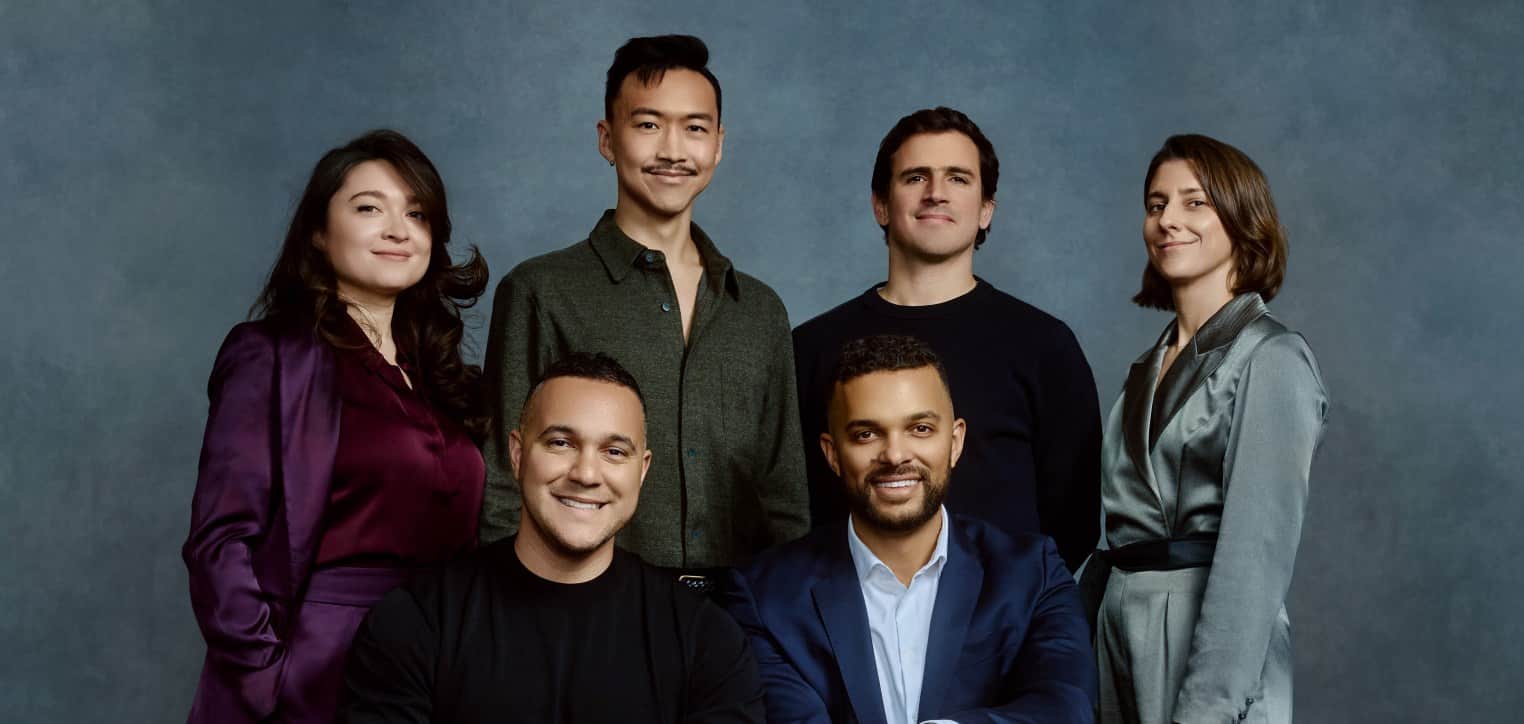
The venture capital world added another institutional‑grade milestone this week. Collide Capital, the early‑stage firm co‑founded by Brian Hollins and Aaron Samuels, officially announced the close of its $95 million Fund II, a raise that came in oversubscribed and marks a significant step up from the firm's inaugural $66 million Fund I, which closed in 2022. Total assets under management now sit above $170 million.
The fund took roughly 13 months to raise, and the team plans to deploy the capital over the next three and a half years. The sectors in focus remain consistent with what Collide has built its track record around: fintech, supply chain technology, and what the firm calls the future of work, a broad but deliberate category that captures how enterprise tools, hiring systems, and workforce software are being fundamentally rebuilt.
Collide invests from preseed through Series A, with checks ranging between $1 million and $3 million. Five investments from Fund II have already been made, including Art Lab, Jelou, Ocho, Prefix, and Sytrex.
What makes this raise notable:
- The University of California Endowment, which anchored Fund I, returned as an anchor LP for Fund II
- Goldman Sachs and JPMorgan are among the limited partners, a clear signal of institutional confidence in an emerging manager
- Accolade Partners and Fairview Capital also participated, rounding out a well‑regarded LP base
- Fund Zero and Fund I have both delivered top‑quartile Total Value to Paid‑In capital, with five exits across the broader portfolio of 75‑plus companies
The founders themselves carry pedigrees that have made the fundraising conversation easier than it is for most emerging managers. Hollins spent a decade investing at Goldman Sachs, Lightspeed, and Slow Ventures. Samuels built his career across Bain, Lightspeed, and Telesign before co‑founding AfroTech, one of the largest technology conferences in the world. That combination of institutional investing experience and community‑building credibility is reflected in how Collide constructs its network.
Beyond just writing checks, the firm positions itself as an operational partner for founders. Portfolio companies get direct access to cloud and compute credits, introductions to lines of credit and financing solutions, and connections to procurement and enterprise revenue teams inside Fortune 500 companies. The pitch is that Collide brings infrastructure that first‑time founders rarely have on their own.
One of the more interesting elements sitting alongside the fund close is the planned expansion of Collide Campus, a program the firm launched in 2022 that runs separately from its investment activity. The program currently operates across more than 20 universities including Harvard and Johns Hopkins, offering undergraduates training in venture capital and entrepreneurship. A graduate fellowship track places MBA students directly inside Collide as investors and apprentices. More than 50 students have passed through the program so far, with alumni landing at firms including General Catalyst.
The Campus program is not just a pipeline play for talent. It gives Collide a structural advantage in deal sourcing by embedding the firm's network at universities where the next generation of founders is being trained. Samuels has said publicly that the program reflects something both founders wished they had access to when they were students themselves.
With a growing portfolio, institutional LP backing, top‑quartile performance metrics, and a community infrastructure that most venture firms cannot replicate, Collide Capital is making a credible case to be one of the defining emerging managers of this decade in enterprise technology.
Stay informed
Startup news in your inbox
Get important funding rounds, founder stories, and startup updates.
No spam - only important startup updates.