Eurazeo Merges Flex IT and T1A Into a €150M Bet That Circular IT Can Finally Go Mainstream
Editorial Team
Flex IT and T1A Group
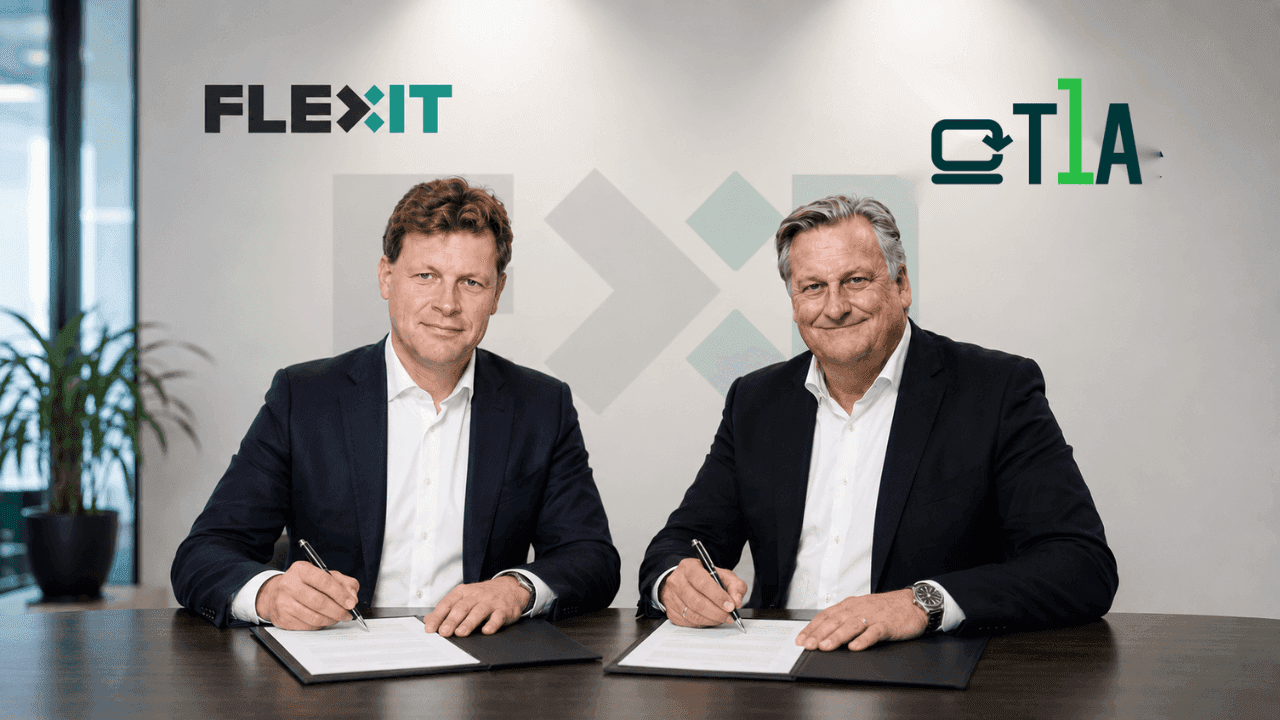
Flex IT and T1A Group have completed a combination to form a European platform in circular IT, with the combined business generating approximately 150 million euros in revenue, the companies announced.
The two businesses sit at opposite ends of the same value chain. T1A, founded in Denmark in 2001, collects corporate IT equipment at the end of its first use and performs certified data erasure and refurbishment. Flex IT, founded in 1991 and headquartered in Leiden, the Netherlands, distributes new and refurbished IT hardware across Europe through a network of approximately 13,000 resellers, and operates certified refurbishment capacity in Toruń, Poland, alongside rental and demo services. Flex IT reported approximately 120 million euros in revenue in 2025, serving roughly 13,000 customers across more than 35 countries, according to PE Hub.
The transaction is backed by Eurazeo's Planetary Boundaries Fund, or EPBF, the impact buyout arm of the French investment firm, which acquired a majority stake in T1A in May 2026. EPBF, together with Dansk Vækstkapital as a value‑add minority co‑investor, financed the subsequent acquisition of Flex IT. That structure means EPBF used its initial T1A platform investment as the vehicle for acquiring Flex IT and bolting the two businesses together, a common private equity approach known as buy‑and‑build, rather than the two companies coming together as equal partners independent of outside capital.
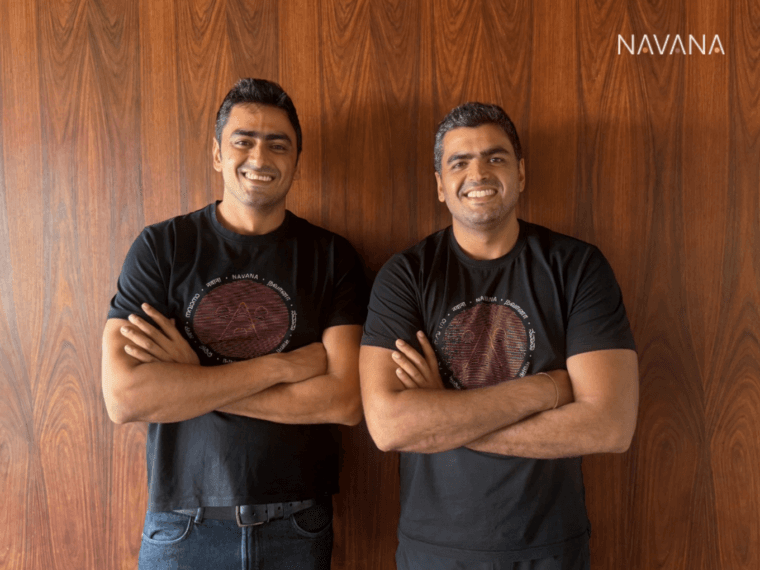
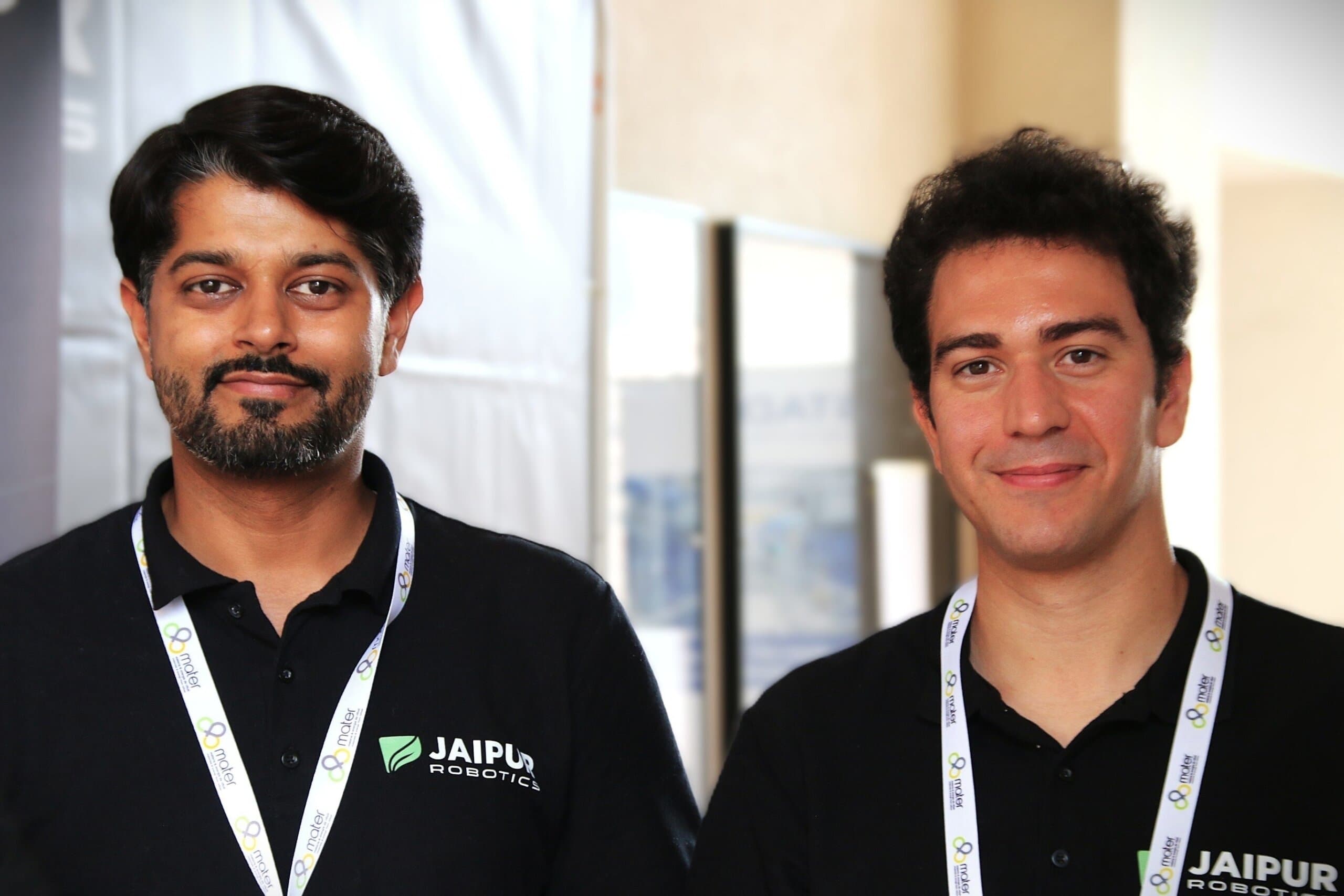
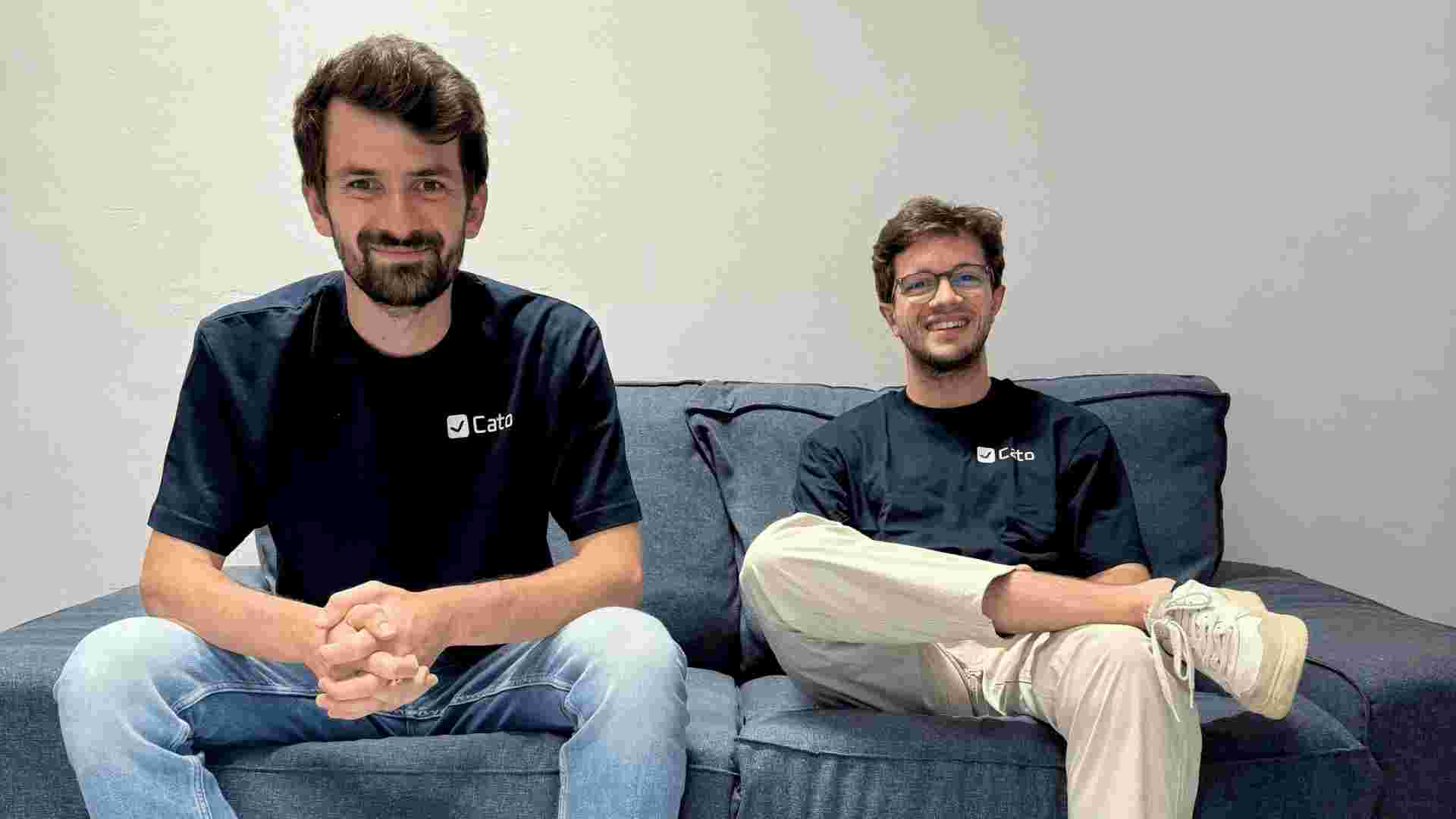
As part of the combination, Angelo Bul, chief executive of Flex IT, becomes chief executive of the combined group, while Peter Hemicke, founder of T1A, becomes Executive Chairman, focusing on group strategy, and remains a co‑investor in the business alongside EPBF. That leadership structure places day‑to‑day operational control with the Flex IT side of the business, whose distribution and customer relationships give the combined platform its primary route to market, while giving T1A's founder a continued strategic role and ongoing financial stake in how the merged company develops.
Bul framed the strategic logic behind the deal around the specific bottleneck that has historically limited how much corporate IT hardware actually gets a second life rather than being discarded. "The hard part of circular IT has never been finding a buyer for a good second‑life laptop," Bul said. "It is getting hold of the laptop in the first place. Far too much corporate hardware is still scrapped, or left in a cupboard for three years, without anyone ever asking whether it could be used again. Together with T1A we can now take responsibility for the whole life of a client's equipment, from the day it arrives to the day it leaves and beyond. That is what makes reuse the normal choice rather than the virtuous one."
That framing points to the practical logic behind the combination: a device retired by a corporate client can now be collected under contract, processed at whichever certified facility within the combined group is best suited to it, and sold into whichever market and distribution channel holds the most value for that specific device, all within a single organization rather than requiring coordination across separate, independently owned companies at each stage of the process. Bringing collection, certified data erasure, refurbishment, remarketing, and pan‑European distribution together under one roof is intended to let the group recirculate more corporate IT equipment back into productive use, extend the operational lifespan of devices, and reduce both material waste and electronic waste generated across the sector.
The deal also fits within EPBF's broader stated investment thesis of scaling environmental solutions specifically within circularity, waste, and packaging, a category that includes refurbishment and recycling, raw material recovery, and the sharing and secondhand economy more broadly. Altor, Flex IT's previous private equity owner, exited its position in the company as part of this transaction, according to PE Hub, closing out that earlier ownership period as EPBF's newly combined platform takes over.
The combination arrives amid growing regulatory and corporate pressure across Europe to extend the useful life of IT hardware rather than treating it as a short‑cycle consumable, driven by a mix of sustainability commitments, data security requirements around end‑of‑life equipment, and rising interest in the total cost of ownership advantages that refurbished and re‑deployed hardware can offer relative to buying new equipment outright. For a market that has historically remained fragmented across many smaller, regionally focused collection, refurbishment, and distribution specialists, the Flex IT‑T1A combination represents a bet that vertical integration across the full circular IT value chain, rather than continued specialization at just one stage of it, is what will ultimately make reuse the default choice for corporate IT equipment across Europe rather than a niche, values‑driven alternative to simply buying new.
Topics
Stay informed
Startup news in your inbox
Get important funding rounds, founder stories, and startup updates.
No spam - only important startup updates.