Singapore's ChemT Biotechnology Raises $4 Million Seed Round to Bring AI-Powered Virtual Cell Technology to Pharmaceutical Biomanufacturing
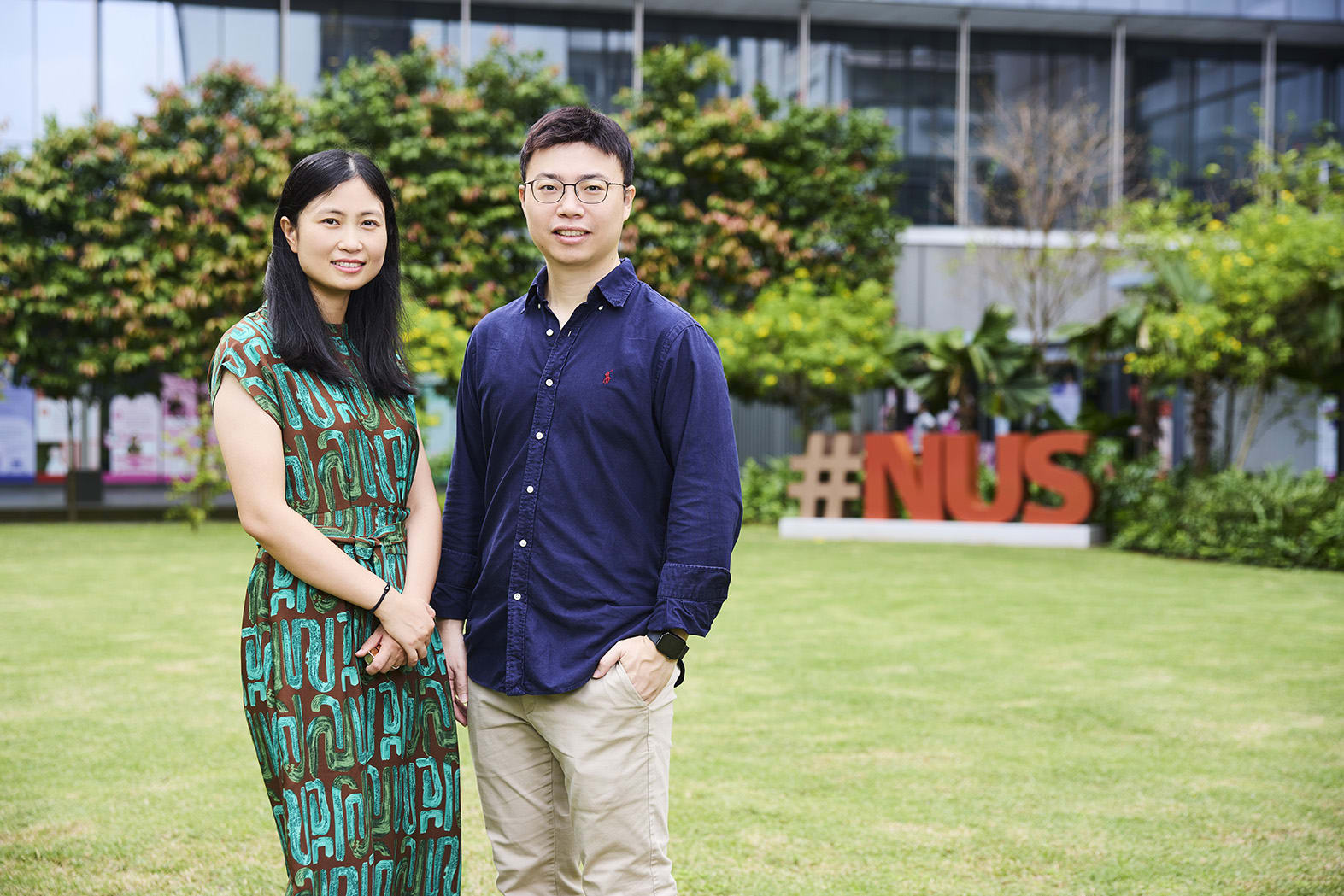
Singapore‑based ChemT Biotechnology has closed a $4 million seed funding round anchored by Wavemaker Ventures and SEEDS Capital, the investment arm of Enterprise Singapore. Additional investors include Wavemaker 360 Health, Draper University Ventures, and Temasek Life Sciences Accelerator. The round brings ChemT's total funding to $5 million within 18 months of founding, which includes $1 million in prior angel investment. The capital will be used to expand the company's AI and experimental infrastructure, advance its AI‑designed molecular products toward regulatory readiness, and grow commercial partnerships across the pharmaceutical industry.
Solving a Problem That Drug Discovery Has Left Behind
Artificial intelligence has transformed the early stages of pharmaceutical development. Companies now use machine learning to screen billions of molecular compounds in silico, predict protein structures with atomic‑level precision, and identify drug candidates in days rather than years. The clinical pipeline is increasingly shaped by AI. But when a drug candidate successfully completes that early stage and enters manufacturing, it enters a world that AI has barely touched.
Biologics manufacturing is one of the pharmaceutical industry's most complex and underdigitised challenges. Biologic drugs, including monoclonal antibodies, cell therapies, and gene therapies, are produced using living cells rather than chemical synthesis. Those cells are enormously productive in the right conditions and enormously unpredictable when conditions vary. Temperature fluctuations, changes in nutrient concentrations, genetic drift in cell lines, and subtle differences in production equipment can all cause yields to shift dramatically from batch to batch. Development timelines are long. Production costs are high. And because the production process is inseparable from the product itself, manufacturers cannot simply copy a chemical synthesis route and expect the same output. Each cell line, each bioreactor, and each facility introduces its own variables.
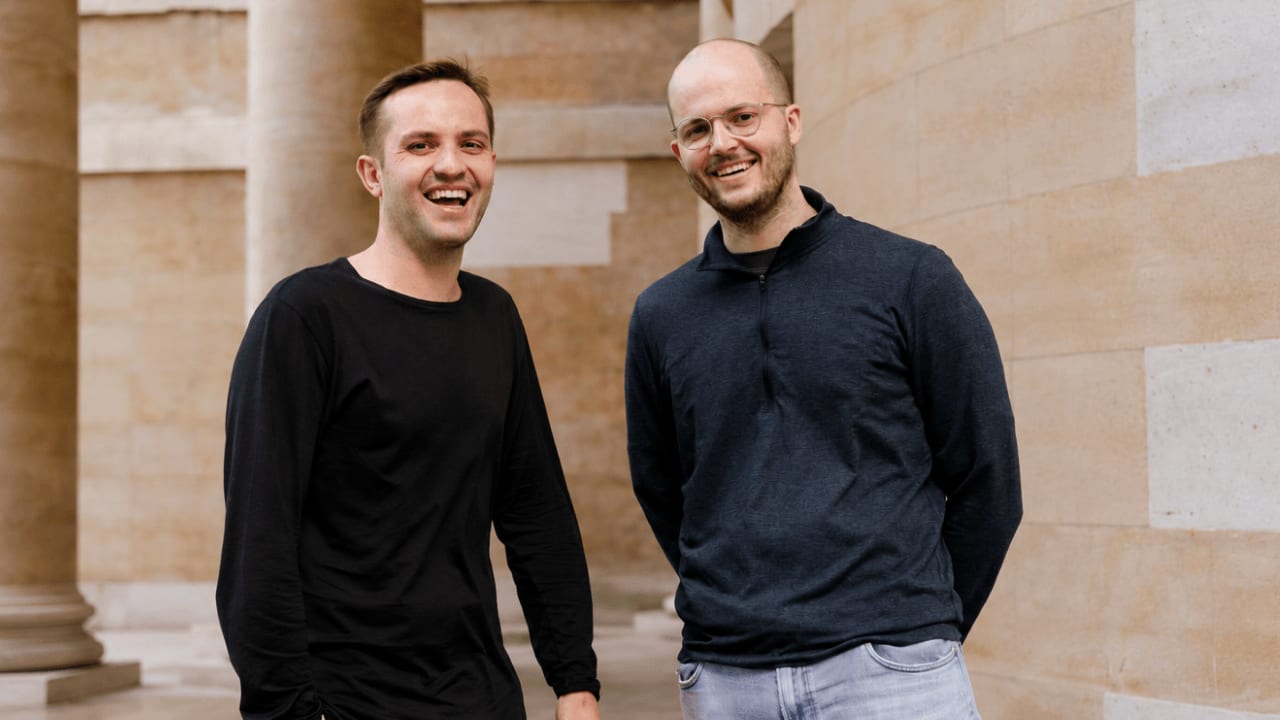
ChemT was founded to apply AI directly to this manufacturing problem. The company's co‑founders, CEO Jayaprakash Natarajan and President Ling Wu, identified that the tools pharmaceutical companies use to understand and control biomanufacturing have not kept pace with the molecular complexity of the products they are making. The result is a sector that still relies heavily on empirical trial and error, spending months and enormous amounts of capital characterising how a particular cell line will behave in a particular production environment.
The CelMo Platform: A Virtual Cell That Lives in a Computer
At the centre of ChemT's technology is CelMo, an AI‑powered virtual cell platform. CelMo is trained on proprietary biological sequencing data and validated through laboratory experiments. The platform simulates how cells respond to manufacturing conditions, genetic modifications, and biological stresses, enabling manufacturers to predict and improve productivity before committing to costly physical experiments.
In practical terms, CelMo functions as a digital twin for the cell itself. A pharmaceutical company developing a new biologic does not need to run dozens of physical experiments to understand how its CHO cell line will behave at different bioreactor scales, under different feeding strategies, or with different genetic engineering approaches. It can run those experiments in silico first, identify the configurations most likely to yield consistent, high‑productivity manufacturing, and enter physical production with a much narrower set of parameters to validate.
The distinction between what CelMo does and what conventional computational biology tools do is significant. Most bioinformatics platforms are designed to support drug discovery, predicting molecular properties and interactions to find better drug candidates. CelMo is designed for manufacturing, predicting cellular behaviour in production conditions to find better ways of making the drugs that have already been discovered. The two applications require different training data, different model architectures, and different validation approaches. ChemT has focused exclusively on the manufacturing application, which it sees as an underfunded and underserved segment of the pharmaceutical value chain.
The platform currently focuses on Chinese hamster ovary cells (CHO cells) and T cells, the two most widely used cell types in biologic and cell therapy manufacturing respectively. CHO cells are the industry workhorse for antibody production. T cells are central to the rapidly growing CAR‑T cell therapy market, where manufacturing bottlenecks are a critical constraint on how many patients can receive treatment. The new funding will allow ChemT to extend CelMo into stem cells, natural killer cells, and HEK cells, which are used in gene therapy and broader biologics production.
A Market Where the Problem Is Getting More Expensive
The timing of ChemT's raise reflects a structural shift in what pharmaceutical companies are producing. The biologics share of the pharmaceutical market has grown steadily for two decades and is projected to account for more than 35 percent of global drug sales by 2027. Cell and gene therapies, which represent the most complex and most expensive manufacturing challenge in the industry, have moved from experimental treatments for rare diseases toward mainstream clinical use across oncology, genetic disorders, and autoimmune conditions.
As the volume and complexity of biologics in development increases, the gap between the industry's manufacturing capability and the demand placed on it widens. Manufacturing failures, yield inconsistencies, and production delays are not abstract technical problems. They translate directly into drug shortages, delayed patient access, and billions of dollars in lost production value. McKinsey has estimated that manufacturing failures cost the pharmaceutical industry approximately $50 billion annually.
The AI approach to biomanufacturing that ChemT is building is not the only solution being explored. Investment in continuous biomanufacturing, advanced bioreactor designs, and process analytical technology has increased significantly across the sector. But the AI layer that can simulate cell behaviour and provide predictive guidance before physical production begins is still early‑stage, and ChemT is among the first companies to focus this capability specifically on the manufacturing rather than the discovery phase of the pipeline.
Singapore as a Strategic Base for Biomanufacturing AI
ChemT's location in Singapore is not incidental. Singapore has established itself as one of the world's leading biopharmaceutical manufacturing hubs, hosting facilities for Pfizer, AstraZeneca, Lonza, and other global leaders. The country's Economic Development Board has made biomedical manufacturing a strategic national priority, backing it with infrastructure investment, regulatory support, and the network of research institutes and accelerators that ChemT's investors, including Temasek Life Sciences Accelerator and SEEDS Capital, represent.
That concentration of manufacturing infrastructure means ChemT has ready access to the real‑world production environments it needs to validate CelMo's predictions and build the commercial relationships that will carry the platform from early‑stage tool to industry standard. The Wavemaker 360 Health and Wavemaker Ventures participation also reflects the firm's belief that Singapore's position at the intersection of deep‑tech research and biopharmaceutical manufacturing makes it the right geography for a company solving this particular problem.
Key facts about the funding:
- Seed round: $4 million
- Total funding to date: $5 million (including $1 million in prior angel investment)
- Lead investors: Wavemaker Ventures, SEEDS Capital (Enterprise Singapore)
- Other investors: Wavemaker 360 Health, Draper University Ventures, Temasek Life Sciences Accelerator
- Co‑founders: Jayaprakash Natarajan (CEO), Ling Wu (President)
- Core technology: CelMo AI virtual cell platform
- Current cell types: CHO cells, T cells
- Planned expansion: stem cells, natural killer cells, HEK cells
- Headquarters: Singapore
The biomanufacturing challenge has long been a bottleneck at precisely the point in the pharmaceutical pipeline where the stakes are highest, when a drug that has proven safe and effective in clinical trials needs to be produced at the scale and consistency required for patients. ChemT's bet is that AI‑powered virtual cell modelling can compress the cost, time, and uncertainty of that bottleneck significantly. With $5 million in total funding, a validated platform operating in two of the most important cell types in biologics manufacturing, and a strategic base in one of the world's largest biopharmaceutical production centres, the company's next stage of development will test whether that bet holds in the hands of the industry's largest operators.
Stay informed
Startup news in your inbox
Get important funding rounds, founder stories, and startup updates.
No spam - only important startup updates.
Comments
Text only. No links or images.
No comments yet.