Fluencify Raises $4.3M to Turn 'Describe the Campaign You Want' Into an End-to-End AI Workflow
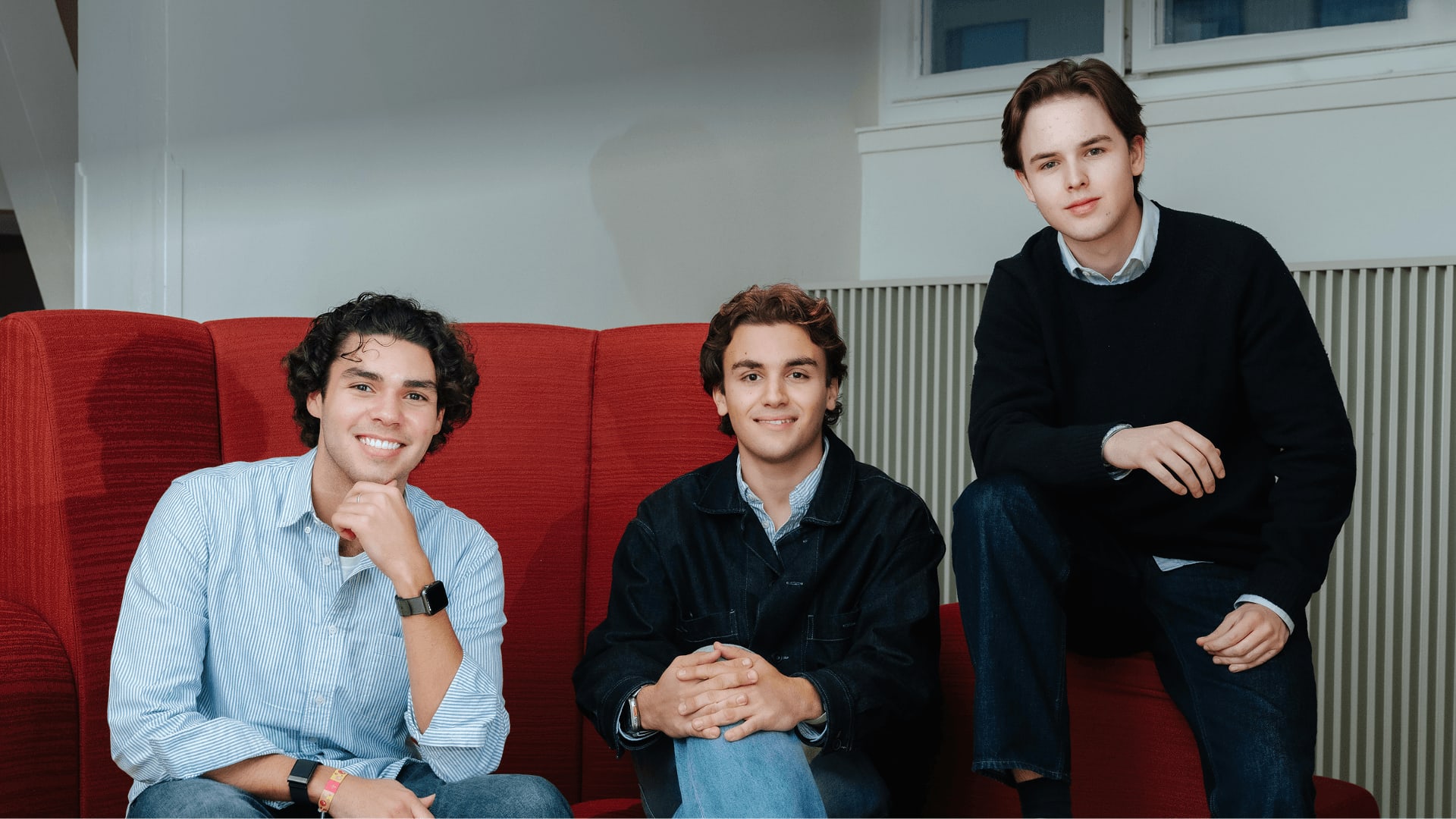
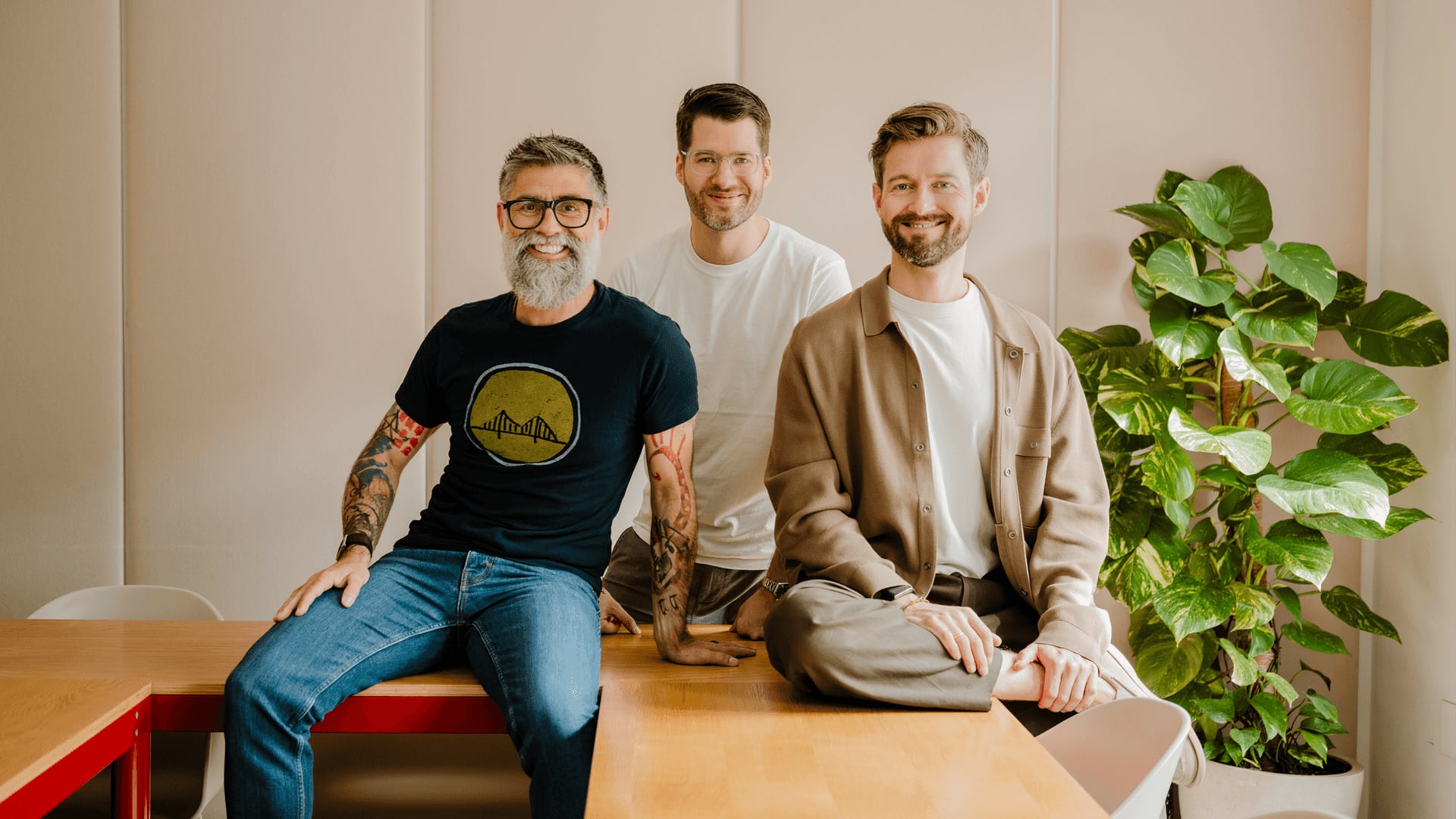
Fluencify founder Erik Romdhane, Isaac Norin and Sam Stones Hälleberg
Image credit: Fluencify
Fluencify, a Stockholm based creator marketing platform, has raised an oversubscribed 4.3 million dollar pre‑seed round led by byFounders, with participation from Wave Ventures. As part of the investment, Magnus Hambleton of byFounders will join Fluencify's board.
The company was founded in 2025 by chief executive Erik Romdhane alongside Isaac Norin and Sam Stones Hälleberg. Fluencify runs creator marketing campaigns for businesses, using AI agents to handle creator discovery and matching, automated outreach and reply handling, campaign briefing, content scheduling, paid boosting, and cross‑border creator payments across more than 85 countries. Rather than offering a tool that assists a human marketer with one piece of that workflow, the platform is designed to run the entire campaign lifecycle largely on its own, from finding the right creators through to paying them internationally once content is delivered.
Central to Fluencify's approach is what it calls an ambassador model, under which creators work with a brand on a recurring, ongoing basis rather than being booked for one‑off paid posts. That structure is intended to build more consistent, longer‑term relationships between brands and the creators representing them, rather than treating each campaign as an isolated transaction with a new set of creators every time. Fluencify says it already has more than 13,000 active creators on its platform, working with brands that have a combined market capitalisation of 30 billion dollars, and the company has focused its early customer base specifically on consumer and prosumer software companies, including AI and productivity tools, education applications, and consumer apps.
Romdhane's own background sits directly behind the problem Fluencify is built to solve. Having worked both as a creator and as an agency operator, he said that experience showed him that campaign management typically involves far more operational work than creative work, spanning the process of identifying suitable creators, managing back‑and‑forth communication, preparing campaign briefs, producing content, and handling the logistics of paying creators across different countries and currencies. "We wanted to build a system so a brand can describe the outcome it wants and get the campaign run end to end, without all the legwork," Romdhane said.
Fluencify points to research from an Edelman Trust Barometer Special Report to support the broader thesis behind creator marketing as a category. According to that report, consumers are more likely to trust what they hear about a brand from people who regularly use its products than from the brand's own chief executive, and consumers place more weight on what other consumers say about a brand than on the brand's own marketing messaging when deciding whether to make a purchase. That dynamic is what has driven much of the broader shift toward influencer and creator‑led marketing over the past several years, and it underpins Fluencify's bet that automating the operational side of creator campaigns, rather than the creative or strategic side, is where the clearest near‑term value lies.
Creator marketing today is typically managed through a patchwork of influencer and user‑generated‑content agencies, creator marketplaces, standalone campaign management software, or in‑house marketing teams handling the work manually. Fluencify's pitch is that combining campaign management with automated, AI‑driven workflows can meaningfully reduce the administrative burden involved in each of those separate steps, letting a brand describe a desired outcome and have the platform handle discovery, outreach, briefing, content coordination, and payment processing without requiring a dedicated team to manage each stage by hand.
With the new funding, Fluencify plans to hire engineers in Stockholm, open a New York office, and expand its sales operations in the United States, alongside continuing to grow its creator network and further develop its product for existing clients. The decision to open a US office alongside its existing Stockholm engineering base signals an early and deliberate push into the American market, where creator marketing spend and the broader influencer economy remain considerably larger than in the Nordic region, giving Fluencify access to a much bigger pool of both brands and creators, but also placing it in more direct competition with the numerous US‑based creator marketplaces and campaign management platforms already operating at scale in that market.
Topics
Stay informed
Startup news in your inbox
Get important funding rounds, founder stories, and startup updates.
No spam - only important startup updates.
Comments
Text only. No links or images.
No comments yet.