Instinct In Talks To Raise $1B At $10B, Just Weeks After Its Last Round

Noah Shinn
Instinct, the invite‑only personal AI assistant built by Spear Street Technology, is reportedly in talks to raise 1 billion dollars at a valuation of roughly 10 billion dollars, a jump that would come less than a month after the company's previous funding round and push its valuation up nearly fourfold in a matter of weeks.
According to a report from The Information, Sequoia Capital and Benchmark are in discussions to lead the new financing, though terms have not been finalised and both the lead investors and the structure of the deal could still change before anything is signed. The talks follow a 250 million dollar Series B that Instinct closed in late August, co‑led by Index Ventures and Benchmark, which valued the company at a 2.25 billion dollar pre‑money valuation and brought its total funding to 350 million dollars.
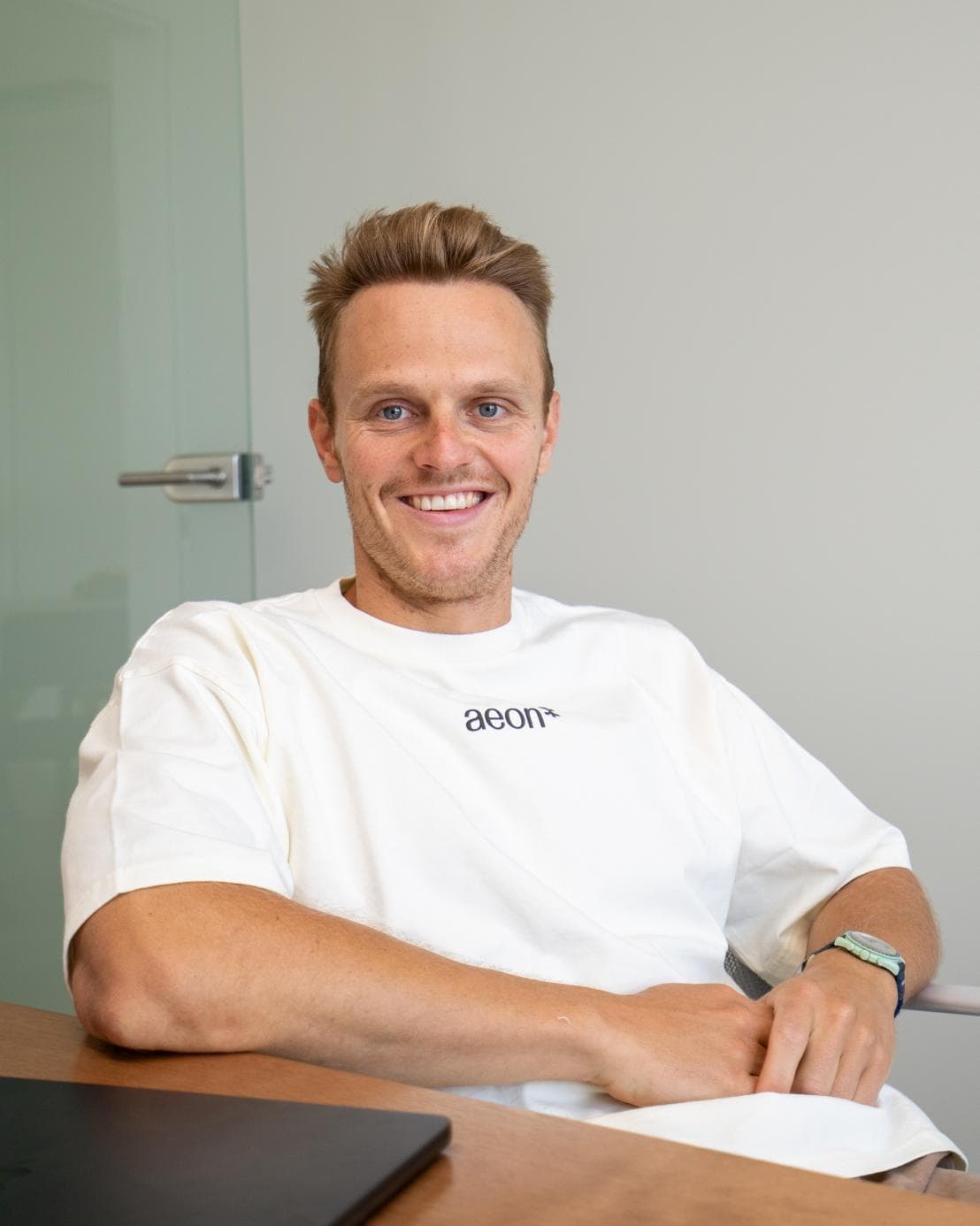
Instinct was founded in 2025 by Noah Shinn, a 23‑year‑old former researcher at Sierra, the AI customer service startup. The product itself works through text messages and phone calls rather than a dedicated app interface, letting users hand off practical tasks such as travel planning, subscription cancellations, bill negotiation and appointment booking to an AI agent that operates a phone and computer in much the same way a human assistant would. The company recently began rolling out Instinct Concierge, a higher‑touch tier aimed at tasks that still require an actual phone call, such as booking a restaurant that does not take online reservations or getting onto a dentist's cancellation list.
The pace at which Instinct's valuation has moved is unusual even by the standards of the current AI funding environment. The company had no formal valuation as recently as four months ago, before early backing from Conviction's Pranav Reddy and Greenoaks' Neil Mehta valued it at around 50 million dollars. A Series A led by Kleiner Perkins partner Mamoon Hamid then priced the company at 500 million dollars, before the August Series B pushed that figure to 2.5 billion dollars, or 2.25 billion dollars on a pre‑money basis. The talks now underway would represent roughly a fourfold increase again, in under three weeks.
That speed reflects genuine user demand, but the driving force behind this particular round appears to be operational rather than promotional. Instinct's invite‑only user base has surpassed 100,000, and the service has at points told users it is running at full capacity with responses running slower than usual, a strain that stems from running much of its infrastructure on open source models rather than licensing frontier models directly from providers such as OpenAI or Anthropic. Every active user costs the company money to serve, and Shinn has told investors he wants to keep the core product free rather than introduce subscription pricing, pointing instead to advertising as a possible longer‑term path to revenue. Unlike the August round, which followed a period of viral user growth, this raise is reportedly being driven specifically by the economics of compute capacity rather than a new product milestone. The company has said it eventually wants to own its own chips and operate its own data centres rather than continuing to rent cloud compute indefinitely, a goal that would require substantially more capital than the amount currently under discussion.
The scale of investor appetite has not gone unquestioned. Instinct remains pre‑revenue, has never left private beta, and grants access only by invitation, details that have led some observers to describe the deal as characteristic of speculative excess in the current consumer AI funding cycle rather than a valuation grounded in demonstrated commercial traction. Early user feedback in August also surfaced specific concerns about how the agent handles sensitive account access, including reports that the service continued summarising a user's inbox after they had attempted to disconnect access, and that at least one security researcher was able to have the agent's access compromised through a phishing style attack. Those incidents have added a layer of scrutiny to a company whose core pitch depends on users trusting an AI agent with meaningful control over their email, calendar and financial accounts.
Instinct's rapid valuation climb sits within a broader wave of investor enthusiasm for personal AI agents capable of taking real actions on a user's behalf rather than simply answering questions, a category that has drawn comparisons to Meta's recently launched Muse assistant, which offers a broadly similar free, action‑taking AI experience. Whether Instinct's growth curve and compute strain genuinely justify a 10 billion dollar valuation, or whether the deal ultimately closes at different terms than currently being discussed, will likely become clearer once the round is finalised. In the meantime, the speed of Instinct's fundraising says as much about how eager investors are to secure a position in the personal AI agent category early as it does about the company's own underlying metrics, given that the business has yet to generate any disclosed revenue at all.
Topics
Stay informed
Startup news in your inbox
Get important funding rounds, founder stories, and startup updates.
No spam - only important startup updates.