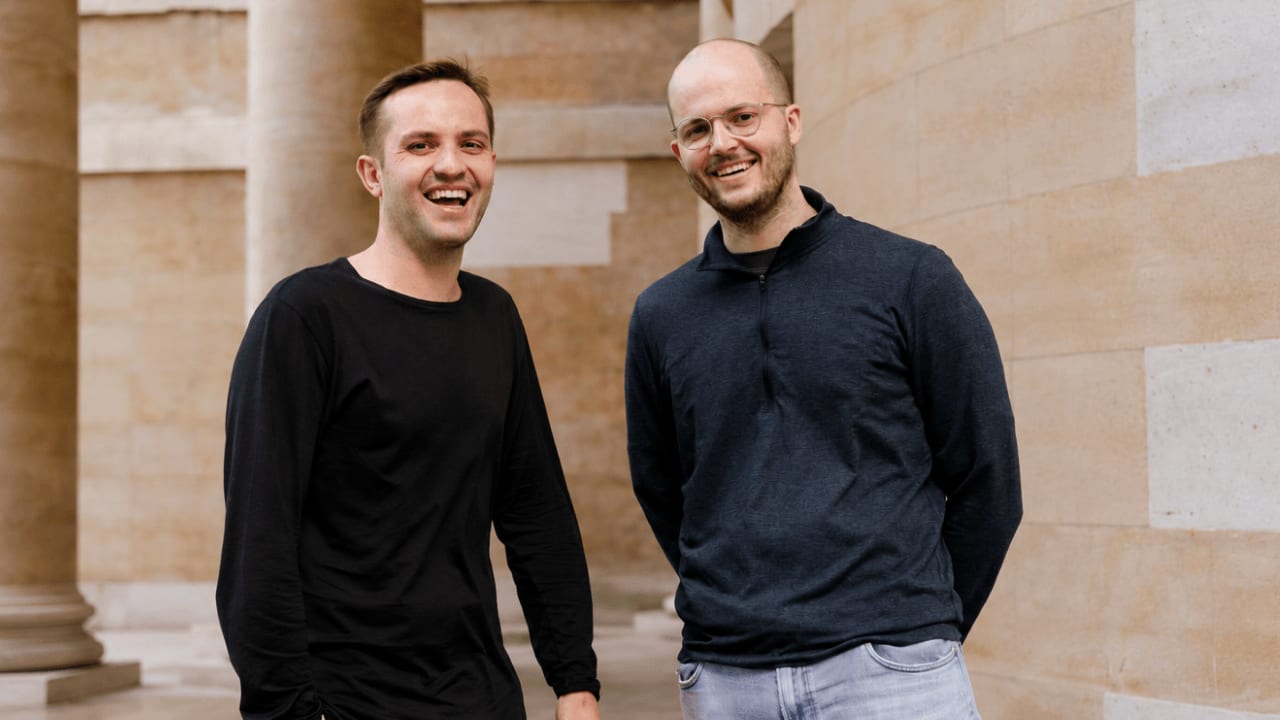
German AI Lab kausable Raises 12 Million Euros to Build Models That Learn Without Constant Retraining
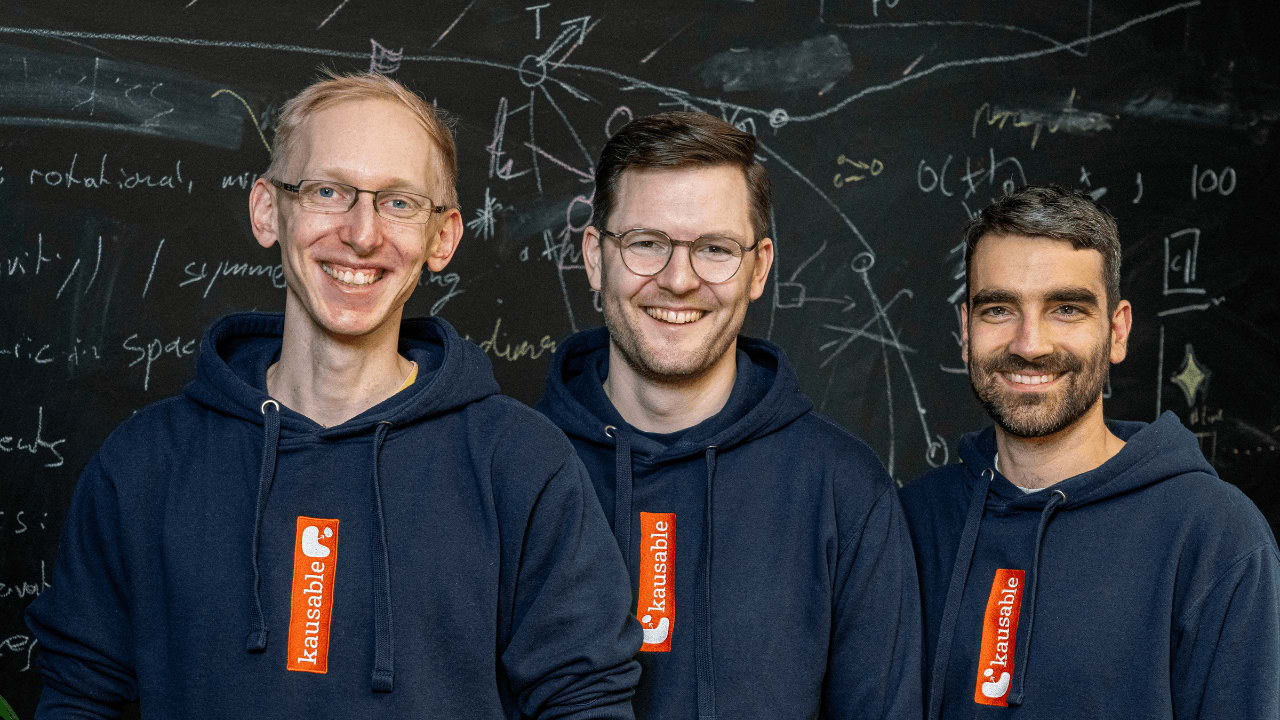
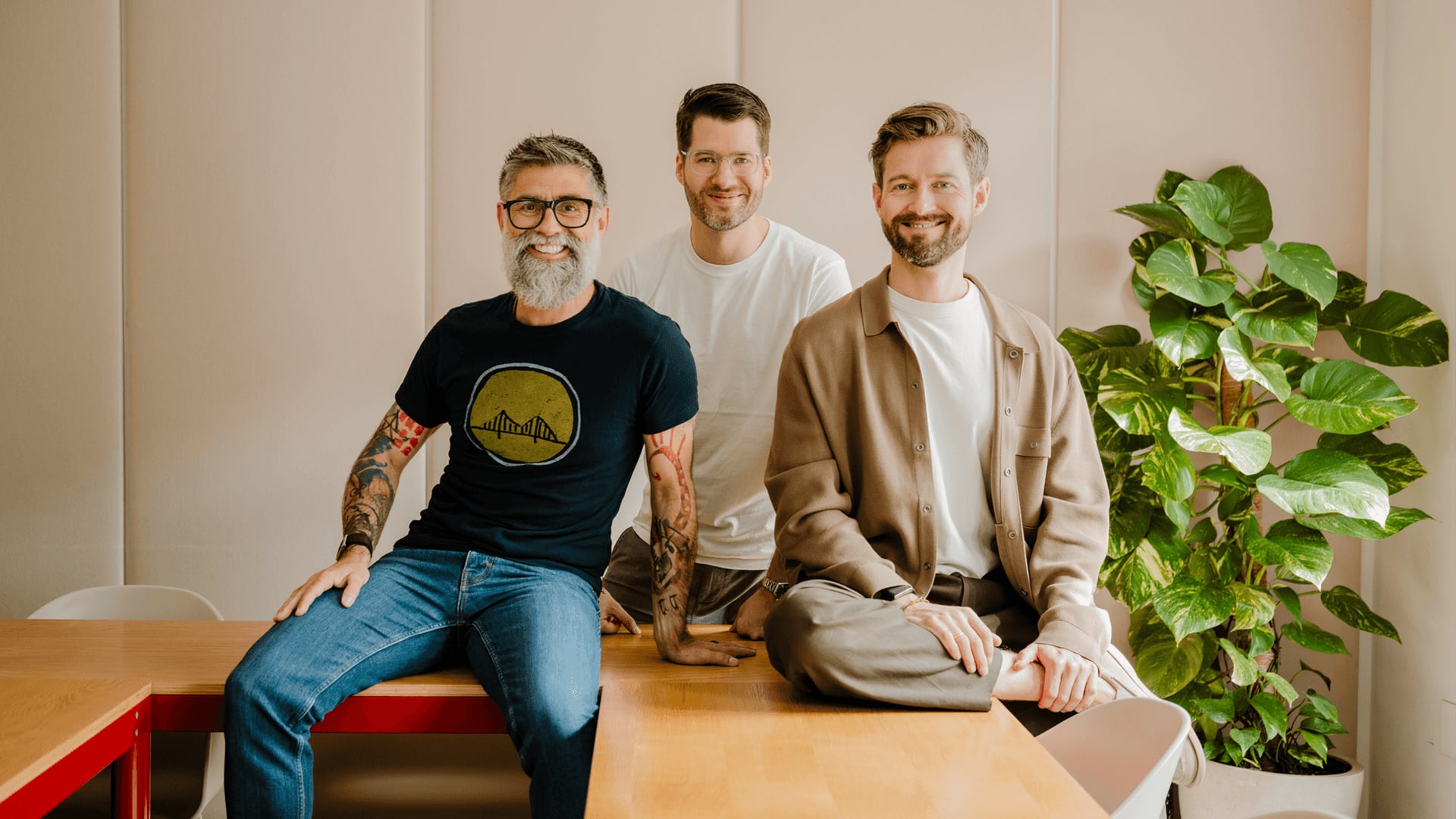
Johannes Haux, Dr. Benjamin Herdeanu, and Gregor Ramien
Image credit: Kausable
kausable, a German deep tech startup with roots in Heidelberg University, has raised 12 million euros in a seed funding round to develop what it calls reasoning‑first frontier AI, models designed to adapt to new situations on their own rather than requiring constant, costly retraining.
The round was led by German and Belgian investors UVC Partners and Entourage, with follow‑on participation from HTGF and Mätch VC. The company is also backed by private angel investors drawn from across the AI industry and academia, including individuals working at Black Forest Labs, OpenAI, Google DeepMind, Noxtua and the European Laboratory for Learning and Intelligent Systems. The round follows an approximately 1.5 million euro pre‑seed raise completed in the same year the company was founded.
Building AI That Learns More Like a Human Than a Machine
kausable was founded in 2025 by Johannes Haux, who serves as chief executive, alongside chief technology officer Dr Benjamin Herdeanu and chief operating officer Gregor Ramien. The founding team built the company on research from Heidelberg University combined with working experience across startups and highly regulated industries including cybersecurity and banking.
The company's central argument is that most AI systems today are static in how they interpret the world, requiring frequent and expensive retraining whenever underlying conditions shift. kausable is instead developing what it calls a world model, a robust set of causal intuitions that allows an AI system to adapt quickly to a changing environment using only a small amount of new information, closer to the way humans learn.
The team illustrates the concept with a simple example: a person shown how to open one door once or twice can typically figure out how to open a different, unfamiliar door without needing to relearn the entire task from scratch. kausable's reasoning‑first models are built to replicate that kind of rapid generalization, rather than relying on massive datasets and repeated exposure to nearly identical scenarios.
Trained on Synthetic Causal Data, Not Just Historical Records
Rather than depending primarily on large volumes of real‑world historical data, kausable trains its models using synthetic causal data, allowing the system to learn how different variables interact and influence one another within controlled, simulated environments before applying that understanding to real conditions. The company frames this as a fundamentally different approach from most current AI systems, which are trained mainly to remember and reproduce patterns from the past.
kausable has already produced a concrete early result from this approach: TipPFN, a zero‑shot forecasting model built for complex, dynamic systems that aims to predict so‑called black swan events, rare but highly consequential occurrences, across domains including medicine and the energy sector. The model was validated in a joint research paper co‑authored with researchers from Columbia University, giving the company independent academic backing for its underlying causal reasoning architecture.
Applications Spanning Robotics to Healthcare
kausable is positioning its rapid‑learning frontier model for use across a range of applications, from robotics systems that need to adapt to unfamiliar physical environments to healthcare and energy systems that must respond quickly to changing, high‑stakes conditions. In each of these domains, the ability to adjust to new circumstances using only a handful of examples, rather than large retraining cycles, could offer a meaningful practical advantage over conventional deep learning approaches.
The company's investor base, drawing on individuals connected to some of Europe's most prominent AI labs and research institutions, suggests notable confidence within the European AI community in kausable's underlying technical approach, even at this early seed stage.
What the New Funding Will Support
kausable currently employs nine people and plans to use its new capital to expand that team further while continuing to advance its rapid‑learning frontier model. The company's roots in Heidelberg, alongside its ties to Black Forest Labs, one of Germany's most prominent AI companies, position it within a growing cluster of German deep tech AI startups working on foundational research rather than downstream applications built on top of existing large language models.
As the broader AI industry continues to grapple with the rising cost of retraining large models to keep pace with changing data and use cases, kausable's bet on causal, reasoning‑first world models represents one of a growing number of attempts across Europe to rethink the underlying learning paradigm itself, rather than simply scaling up existing architectures further.
Topics
Stay informed
Startup news in your inbox
Get important funding rounds, founder stories, and startup updates.
No spam - only important startup updates.
Comments
Text only. No links or images.
No comments yet.