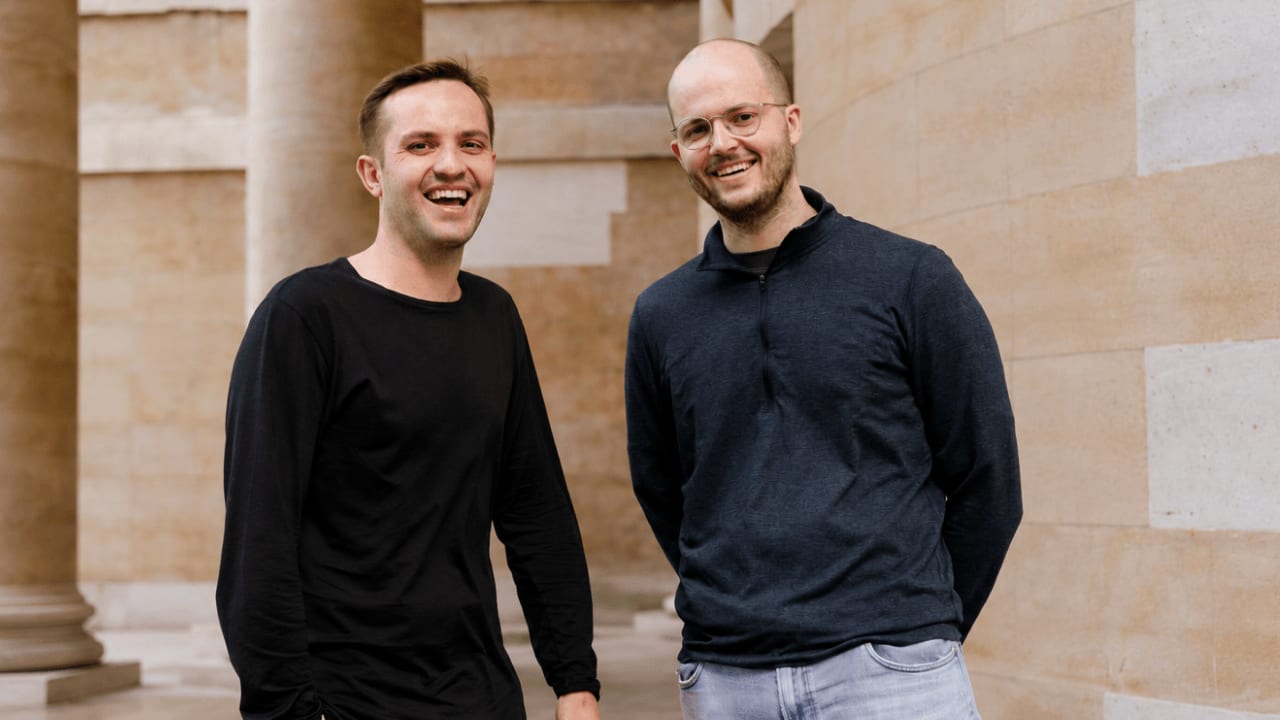
Lexroom Buys Its Way Into France and Bulgaria, Betting Local Legal Data Beats One Big AI Model

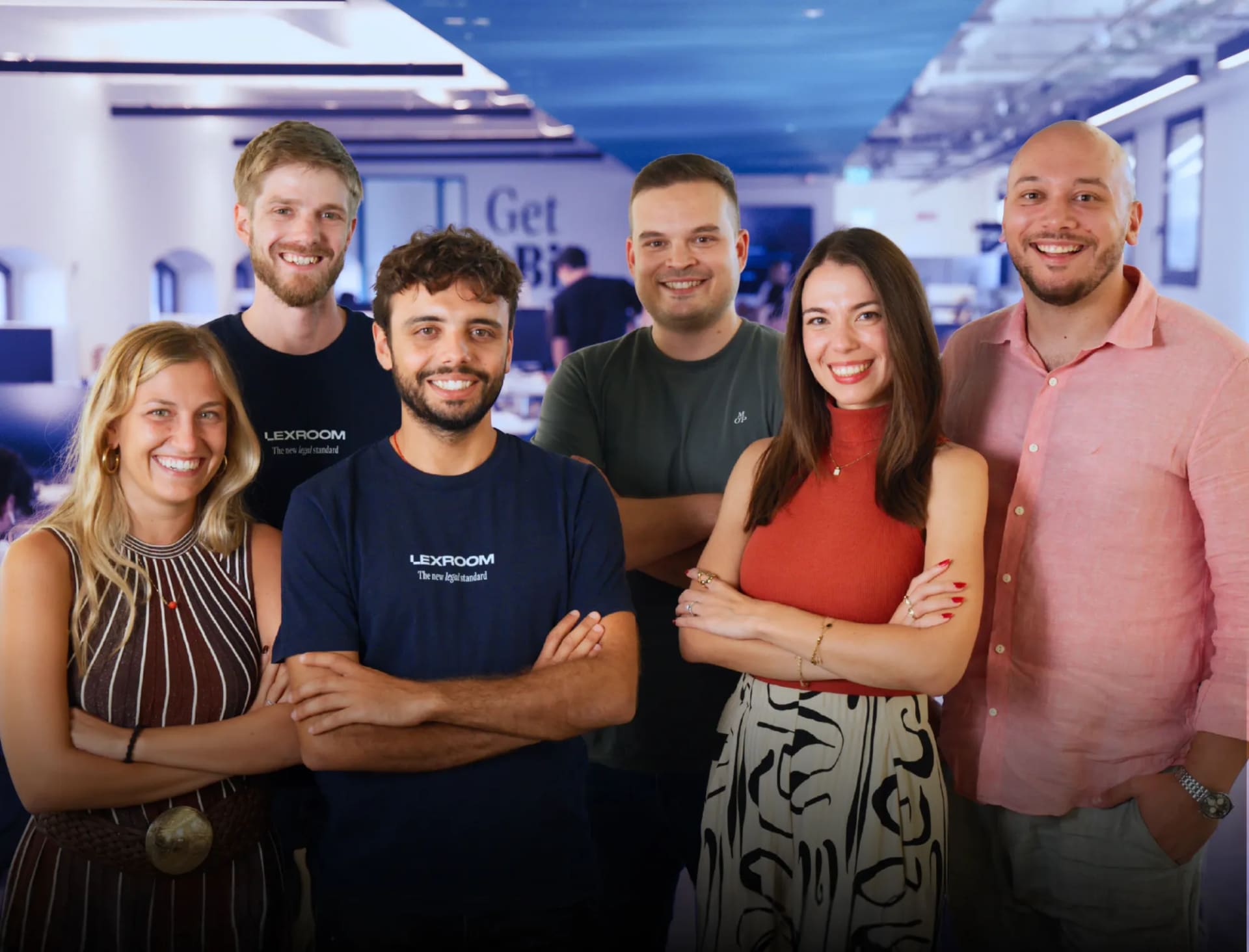
Lexroom team
Lexroom, the Italian legaltech company building what it calls an AI operating system for legal work, has acquired French legal AI company Query Juriste and Bulgarian legal technology startup Praven Intelekt, marking its first mergers and acquisitions since being founded.
The two deals extend Lexroom's active footprint to five European markets, adding to the company's earlier organic expansion into Germany and Spain alongside its home base in Italy. Financial terms of both transactions were not disclosed, a common practice in legaltech M&A. The founders and teams of both acquired companies will join Lexroom and continue developing their respective local markets, while the Query Juriste and Praven Intelekt brands will gradually transition to the Lexroom name over time.
Query Juriste, founded in Paris in 2024 by Etienne Le Guay, Emile Lombardo, and Maxence Mortagne, gives Lexroom an established position in the French market. The company has built a legal research platform connected to more than 5 million French and European legal documents, and counts nearly 300 customers and roughly 1,000 paying users. Le Guay will lead Lexroom's ongoing development in France following the acquisition.
Praven Intelekt, founded in Sofia in 2025 by Siyanna Lilova, Rangel Milushev, and Christian Tsanov, built one of Bulgaria's first specialised AI platforms for legal professionals, serving more than 900 clients ranging from solo lawyers to municipalities and in‑house compliance teams. The deal gives Lexroom its first foothold in Central and Eastern Europe, and Lilova will become Lexroom's Head of Central and Eastern Europe, overseeing the company's expansion across the wider region. Lilova framed the underlying reason legal professionals sought out Praven Intelekt in the first place: "Legal professionals needed AI built around the realities of local law, rather than a generic tool."
That emphasis on locally grounded, traceable legal data sits at the center of Lexroom's broader strategy. Lexroom co‑founder and chief executive Paolo Fois described the rationale behind the two acquisitions directly. "Over the past year we've met dozens of founders building toward a mission close to ours," Fois said. "Query Juriste and Praven Intelekt stood out immediately: exceptional teams, real traction, and products built with the same conviction we started Lexroom with. It doesn't make sense to reinvent the wheel market by market. When we find founders who've already built something great, the smartest move is to combine Lexroom's technology, scale and capital with local expertise and hustle. That's how you build the category‑defining platform for legal AI in Europe." On Praven Intelekt specifically, Fois added that the Bulgarian company "stood out because of the quality of its team, the traction it achieved in a very short period."
The strategic logic behind buying rather than building in each new market comes down to how fragmented European legal systems actually are. Each jurisdiction operates under its own legislation, case law, regulatory requirements, language, and professional workflows, meaning a single generalized AI model trained primarily on one country's legal system translates poorly into another without deep, country‑specific data and local expertise layered on top of it. Lexroom has built its platform around what it describes as a data‑first architecture using certified legal sources, aimed at producing reliable, verifiable AI‑generated legal output across multiple jurisdictions rather than a single one‑size‑fits‑all model, a design philosophy the company says both Query Juriste and Praven Intelekt were independently already committed to as standalone companies.
Lexroom itself has grown quickly since its founding, now serving more than 20,000 customers with more than 200 employees, built on a data foundation of more than 13 million legal sources. The company raised a 50 million dollar Series B earlier this summer, giving it the capital base to pursue this acquisition‑led expansion strategy on top of its existing organic growth.
The two deals add roughly 1,200 combined customers to Lexroom's base while extending its geographic reach into two additional Civil Law jurisdictions, a legal tradition shared across most of continental Europe that differs meaningfully from the Common Law systems used in the UK, US, and other English‑speaking markets. That shared Civil Law foundation across France, Bulgaria, Italy, Germany, and Spain gives Lexroom a coherent expansion thesis, even as each individual market still requires its own certified data sources, language coverage, and regulatory nuance to serve lawyers credibly. Whether Lexroom can successfully integrate two newly acquired teams and customer bases while continuing to expand organically into additional markets will be the clearer test of its combined growth strategy, one that Fois has already signaled is only the beginning of a broader acquisition‑driven push across Europe's legal AI landscape.
Topics
Stay informed
Startup news in your inbox
Get important funding rounds, founder stories, and startup updates.
No spam - only important startup updates.
Comments
Text only. No links or images.
No comments yet.