Seedcamp Closes €279 Million Across Two Funds to Back Europe's Next Generation of Founders at the Intersection of AI, Science, and the Physical World

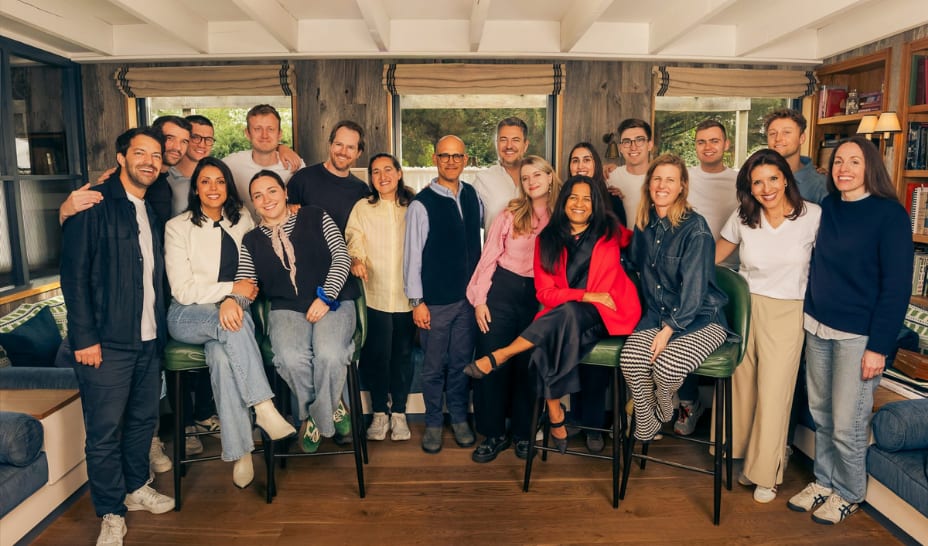
London‑based Seedcamp, the venture capital firm that has been writing first cheques into European startups since 2007, has closed €279 million across two funds, its largest raise in nearly two decades of operation. The capital is split between Fund VII, the firm's flagship early‑stage vehicle, which closed at approximately €220 million ($220 million), and Seedcamp Nation II, a continuation vehicle that invests in existing portfolio companies from Series B and beyond. Together, the two funds take Seedcamp's total assets under management past $1 billion for the first time. The announcement was made on June 22, 2026.
The raise is timed around a thesis the firm has been building toward for several years: that Europe is entering a new technological era at precisely the moment when its deep scientific and engineering talent base is most relevant, and that the next generation of globally significant startups will be built at the intersection of artificial intelligence, science, and the physical world.
Nineteen Years, €2.5 Million to €279 Million
The fund size trajectory tells the story of how European venture capital has matured over two decades. Seedcamp launched in 2007 with a €2.5 million fund and a simple ambition: to be the first institutional cheque for European founders with global aspirations. Fund II closed at €5.2 million in 2010. Fund III reached €20 million in 2014. Fund IV came in at £60 million in 2018. Fund V closed at £78 million in 2020. Fund VI, closed in May 2023, reached $180 million, almost double its predecessor and the largest single fund to that point.
Fund VII at approximately €220 million is more than 20 percent larger than Fund VI and represents the most capital Seedcamp has ever had available for first‑cheque investing. The Seedcamp Nation II vehicle, which invests at Series B and beyond in the existing portfolio, adds the follow‑on firepower that the firm has historically had to source through external co‑investors.
That the two vehicles together cross €279 million is not incidental. It reflects something the firm could not have said in 2020: that its portfolio, which now includes more than 550 companies, has matured to the point where a meaningful secondary fund investing at Series B across the existing book is both viable and strategically important for maintaining ownership in companies that are reaching scale.
The Portfolio That Makes the Raise Credible
Seedcamp's ability to close a fund of this size in 2026, a year in which European VC fundraising remains materially below historical peaks according to PitchBook, rests on a track record that few seed‑stage firms in Europe can match.
The flagship names are by now familiar in any conversation about European technology. Revolut, the digital banking platform that reached a $75 billion valuation in late 2025, was a Seedcamp portfolio company. Wise, the international money transfer platform that completed the largest technology direct listing in London Stock Exchange history in 2021 at approximately £8 billion, was backed by Seedcamp. UiPath, the robotic process automation company that listed on the New York Stock Exchange in 2021, raising $1.34 billion in one of the largest software IPOs of that year, came from the Seedcamp portfolio. Synthesia, the AI video generation platform that raised $200 million at a $4 billion valuation in January 2026, is a Seedcamp company. Pleo, the business spend management platform, is another.
The firm has returned more than $300 million to its limited partners from its core strategy across these and other exits, including Skew to Coinbase, Nordigen to GoCardless, Boundless to Payoneer in January 2026, and Curve to Lloyds Banking Group, announced in November 2025. Six portfolio companies have reached unicorn status. Five have completed IPOs.
That return track record is what allows Seedcamp to close a fund in an environment where many European VC firms are struggling to attract LP capital. The institutions that backed previous Seedcamp funds, including LGT, Reference Capital, HarbourVest, and Legal & General, have seen the returns. British Patient Capital has been a consistent supporter. Reinvestment from LPs in a market where new LP commitments are hard to generate is a different and more credible signal than a first‑time fund close.
The New Strategy: Transatlantic Bridge and Physical AI
Fund VII is not simply a larger version of Fund VI. Two structural decisions distinguish it from its predecessors.
The first is what the firm is calling the Transatlantic Bridge. Seedcamp has always been focused on European founders, but Fund VII formalises an expanded US presence designed to give portfolio companies genuine commercial access to the American market from the earliest stages of their development. The firm is building a US team whose role is to facilitate introductions to US capital, help portfolio companies make commercial and technical hires in America, and connect them to the customer networks that European founders have historically found difficult to access without a substantial US operation of their own.
That strategy reflects a consistent feedback loop from Seedcamp's portfolio. European founders building B2B software, developer tools, or enterprise platforms have always known that the US is their most important market, but the path from a European seed‑stage company to material US revenue has typically required either relocating the company or building a second organisation in parallel with the European one. Seedcamp's Transatlantic Bridge is a structural commitment to making that path shorter and less resource‑intensive for every company it backs.
The second strategic shift is the explicit focus on what Tom Wilson, Partner at Seedcamp, described as AI increasingly intersecting with science and the physical world. Wilson called this the end of a 20‑year software cycle and the beginning of a new technological paradigm. That framing positions Fund VII explicitly as a vehicle built for what comes after the large language model era, not a fund chasing the AI applications that are already crowded with capital, but one backing the founders who are building where AI meets biology, manufacturing, space, robotics, and materials science.
The recent portfolio reflects this direction concretely. In April 2026, Seedcamp invested in BioOrbit, a UK‑based space manufacturing startup that raised $13.2 million at seed. Sunrise Robotics, an autonomous robotics developer, is a recent portfolio addition. Dust, an AI agent company, is another signal of the direction. These are not conventional B2B SaaS companies. They are companies where AI is the enabling layer for physical‑world applications that require deep scientific and engineering knowledge to build.
The Fund VII Investment Model
Fund VII will target approximately 35 new investments per year, a pace consistent with Seedcamp's historical investment cadence. First cheques will range up to $1.3 million, a modest increase from the up to $1 million described at the Fund VI close in 2023 and reflecting the higher pre‑seed and seed round sizes that the 2025 and 2026 market has established as normal.
The firm will primarily lead or co‑lead rounds in European startups, with selective investments in Israel and the United States for founders with compelling global ambitions. That geographic focus is consistent with the premise that the next wave of globally important companies will disproportionately emerge from the European ecosystem, particularly in the AI‑meets‑physical‑world categories where Europe's scientific and engineering talent base is most competitive.
Seedcamp Nation II, the continuation fund, will invest an average of $2 to $3 million per company at Series B, sourcing approximately 90 percent of its investments from the Fund VII portfolio. The two vehicles are designed to work together, allowing Seedcamp to maintain meaningful ownership in its best companies across a much longer part of their growth trajectory than the flagship fund alone could support.
The firm also disclosed it is applying AI to its own investment workflows, with a two‑person internal team building automation tools to accelerate deal processing, LP reporting, and portfolio support. Wilson described the goal as freeing up time for founder interaction rather than administrative processes, framing it as a response to a market where founders have more capital options than ever before and where the quality and speed of investor engagement has become a competitive differentiator for VCs in the same way it has always been for founders.
Key facts about the raise:
- Total capital raised: €279 million ($320 million) across two vehicles
- Fund VII (flagship): approximately €220 million, more than 20% larger than Fund VI
- Seedcamp Nation II (continuation vehicle): remainder, investing at Series B in existing portfolio
- First cheque size: up to $1.3 million
- Target investments per year: approximately 35
- Geography: primarily Europe, with selective investments in Israel and the United States
- Total AUM: now exceeds $1 billion
- LP capital returned to date: more than $300 million from core strategy
- Portfolio companies: more than 550
- Unicorns: 6 (including Revolut, Wise, UiPath, Synthesia, Pleo)
- Managing Partners: Reshma Sohoni and Carlos Espinal MBE
- Partners: Tom Wilson and Sia Houchangnia
The €279 million close arrives at a moment when European venture capital is navigating genuine structural headwinds: a tight exit market, lower LP capital availability, and the continued dominance of US capital in the AI investment cycle. Against that backdrop, Seedcamp's ability to close its largest fund to date on the strength of a verifiable track record, a differentiated geographic focus, and a clear thesis about where the next technology paradigm is emerging from is a meaningful statement about the maturity of the firm and the enduring case for backing European science‑rooted founders before their category is obvious or their outcome is predictable.
Stay informed
Startup news in your inbox
Get important funding rounds, founder stories, and startup updates.
No spam - only important startup updates.
Comments
Text only. No links or images.
No comments yet.