Warren Raises €10 Million Seed Round to Fix Belgium's Broken Workplace Pension System

Belgium has a retirement problem, and the numbers are hard to ignore. For workers between 56 and 65, the median supplementary pension reserve sits below €10,000 less than the cost of a used car. Ghent‑based fintech Warren has spent the past year building the infrastructure to change that, and investors are now backing the bet in a meaningful way.
The startup announced on June 18, 2026 that it has closed a €10 million Seed round led by Motive Ventures, the early‑stage investment arm of transatlantic fintech investor Motive Partners. F Capital joined the round alongside returning backers Entourage, Syndicate One, and 100IN. The capital follows a €3 million pre‑Seed raise completed in March 2025, bringing Warren's total funding to €13 million.
What Warren Actually Does
Warren is not another pension dashboard layered over existing products. The company holds an IBP licence obtained in June 2025 and operates its own regulated pension fund, the Warren Pension Fund OFP, under supervision of Belgium's financial regulator the FSMA. Employee contributions flow into a diversified portfolio built around equity and bond ETFs. There are no entry fees, no exit fees, and no percentage charges on assets under management. Employers pay a fixed subscription fee. Every basis point of return goes to the employee.
The model strips away what has quietly eroded Belgian pension savings for decades. A large share of the country's workplace pension capital sits in branch 21 group insurance products instruments that offer nominal capital guarantees but deliver returns that barely survive inflation after fees are applied. Branch 23 products invest more dynamically but carry structural management fees that compound negatively over a full career. Warren's architecture is designed to sidestep both.
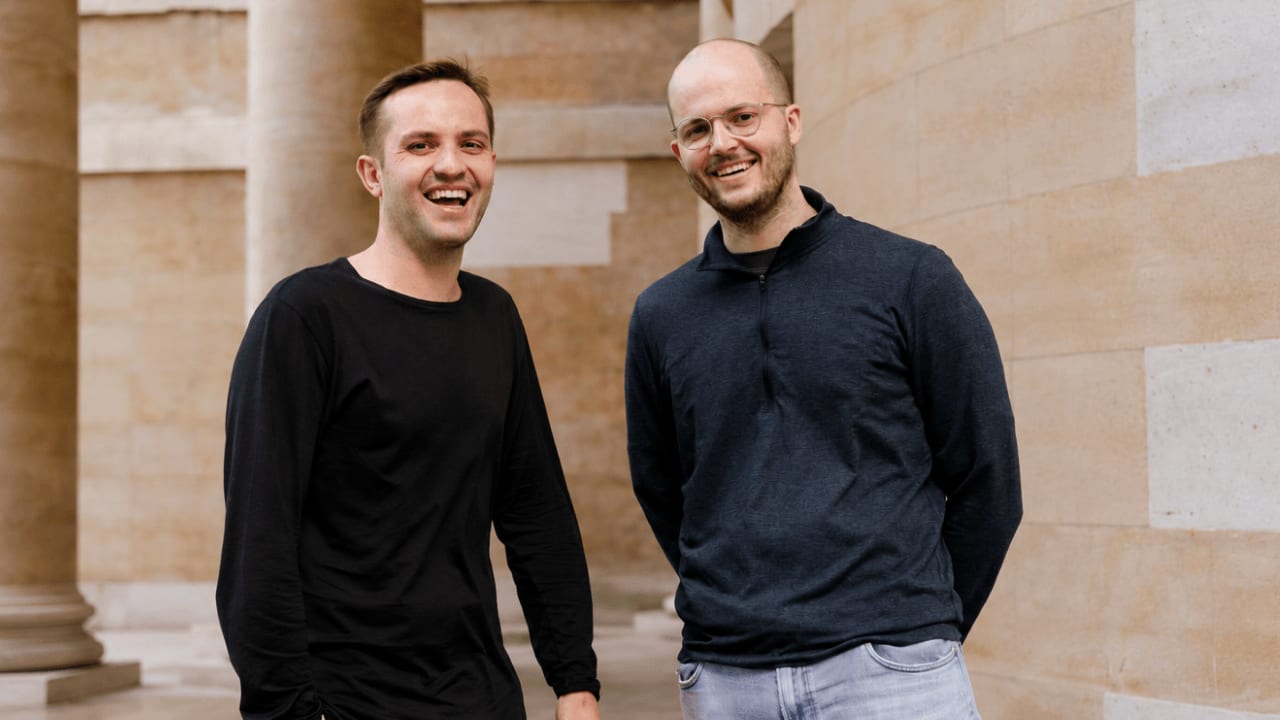
Cedric De Vleeschauwer, co‑founder and CEO, put the problem plainly: the vast majority of Belgians are saving for retirement in financial products that erode purchasing power year over year, even though retirement is by definition a long‑horizon goal. His co‑founder David Du Pré framed the ambition just as directly, describing the mission as fundamentally reinventing the Belgian pension system.
Why Belgium Is Behind
The comparison Warren draws most frequently is with Australia. In that country, employers are required by law to contribute at least 11% of gross salary into broadly invested pension funds. The compounding effect across a full career has produced roughly €2,500 billion in pension capital approximately twice Australia's GDP. Belgium's second‑pillar reserves amount to less than one‑fifth of its GDP. Global pension assets hit a record $69.8 trillion at the end of 2024, driven largely by systems with strong equity exposure. Belgium is structurally disconnected from that growth story.
The demographic backdrop makes urgency inevitable. Birth rates are falling, people are living longer, and the ratio of workers to retirees is shifting in the wrong direction every year. The statutory first‑pillar pension was never designed to carry the full weight of retirement income, and the supplementary second pillar the one employers fund is not delivering what it should. Warren's entire thesis rests on closing that gap before the gap widens further.
Traction and the Product
Around a hundred Belgian companies have already moved their pension plans to Warren within the platform's first year of operation. Among them are Lighthouse, Yuki, Wintercircus, and Poppy Mobility. The appeal to HR and finance teams is partly financial transparency and partly simplicity: companies switch without incurring additional costs, using the same pension budget they already allocate.
Beyond the pension fund itself, Warren runs an AI‑powered financial coaching layer. The application pulls together data from the employer's full compensation package, pension records from Mypension.be, and bank transactions through open banking under PSD2. Employees can model scenarios early retirement, long‑term illness income replacement, mortgage refinancing and book video consultations with any of Warren's nine domain specialists covering lending, insurance, and investment planning. The broader proposition is that 78% of employees report financial stress not because they earn too little but because no one has ever helped them understand their financial position clearly. Warren is positioning that coaching layer as the next must‑have employee benefit.
The Investor Rationale
Motive Ventures led the pre‑Seed round in early 2025 and came back to lead the Seed, which is a meaningful signal in a funding environment where follow‑on conviction from lead investors carries significant weight. Motive Partners' wider portfolio includes FNZ, Forge Global, and Bezahl.de, suggesting a deliberate strategy of backing regulated financial infrastructure rather than consumer‑facing fintech wrapping.
The European workplace pension market remains structurally underserved relative to the UK, where auto‑enrolment is mandatory and companies like Penfold and Smart Pension have attracted sizable capital. Penfold raised €4.6 million in May 2025 and grew its employer base from 1,200 to over 4,000 since early 2024. Smart Pension secured a €69.4 million credit facility to capitalise on that same UK market shift. Warren's bet is that Belgium and by extension, Continental Europe is at an earlier and larger inflection point.
The Road to 2028 and Beyond
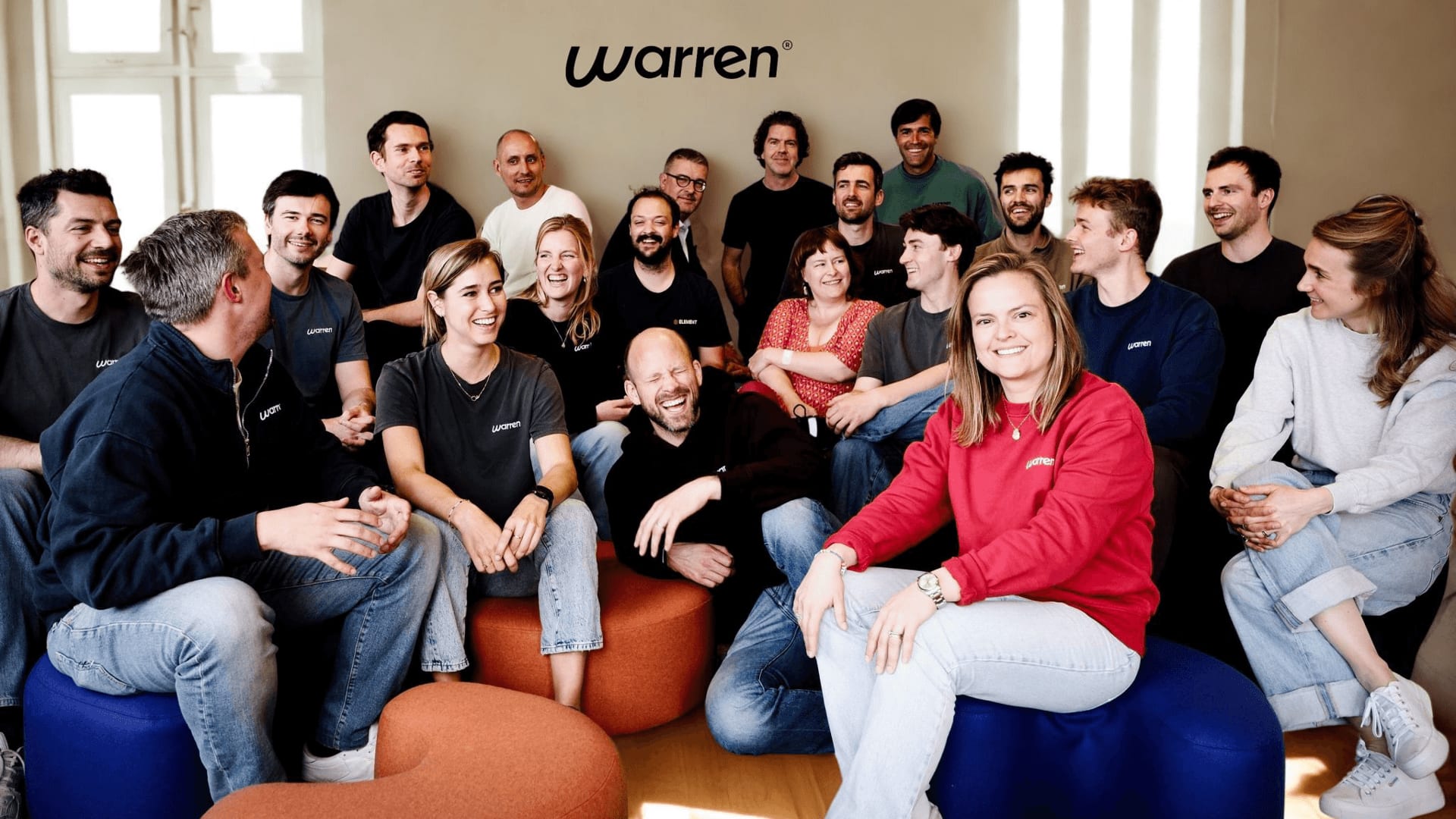
Warren is targeting 100,000 employees on its platform by 2028 and is actively recruiting around 30 additional hires on top of the 25 already in place. The Belgian growth phase is expected to run in parallel with exploratory groundwork in one or two larger European markets. The team has flagged that regulatory familiarity having built and operated a fully licensed pension fund from scratch is a meaningful moat when navigating similar authorisation processes in other jurisdictions.
The structural problem Warren is addressing is not unique to Belgium. Across most of Continental Europe, second‑pillar pension systems were designed for a workforce that retired earlier, lived shorter lives, and worked inside more stable demographic pyramids. The platform Warren has built in Ghent is, at its core, an argument that the pension industry's incumbent architecture is no longer fit for purpose and that the €10 million it just raised gives it the runway to prove that argument at scale.
Stay informed
Startup news in your inbox
Get important funding rounds, founder stories, and startup updates.
No spam - only important startup updates.
Comments
Text only. No links or images.
No comments yet.