New Zealand's Wellumio Closes 9.75 Million Dollar Round to Bring Portable Stroke Imaging to the Bedside
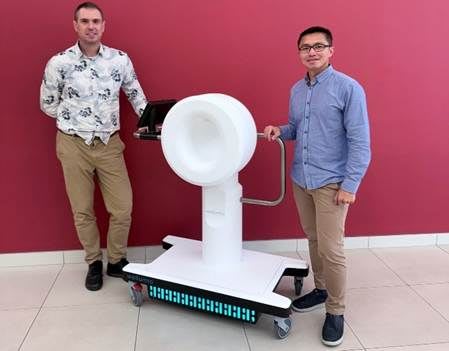
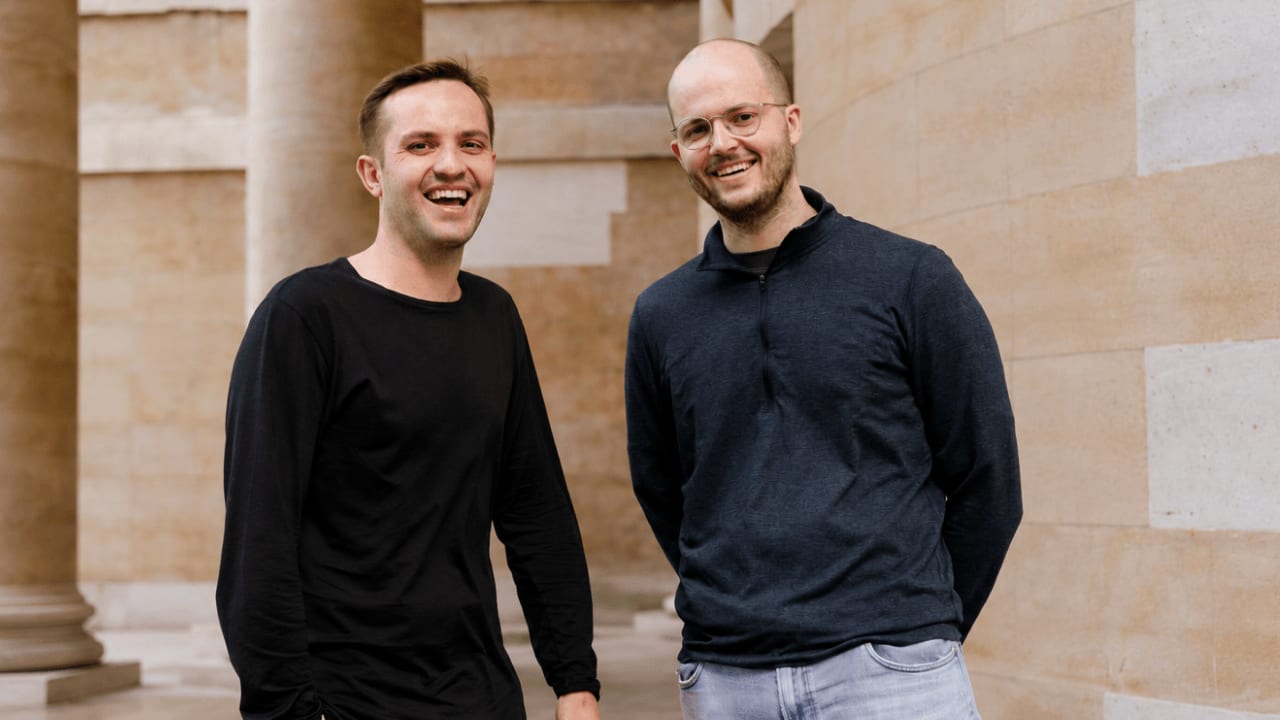
Wellumio founder Shieak Tzeng and Paul Teal
Image credit: Wellumio
Wellumio, a New Zealand medical technology company developing a portable brain imaging device for point‑of‑care stroke detection, has announced the final close of an oversubscribed 9.75 million dollar pre‑Series A funding round, bringing in new international backing to accelerate its path toward clinical and commercial rollout.
The round was led by Nuance Connected Capital, with continued participation from Icehouse Ventures, NZ Growth Capital Partners' Aspire Seed Fund, Pacific Channel, Booster and Cure Kids Ventures. Angel investor groups Flying Kiwi and Enterprise Angels also took part, alongside international investors through the New Zealand Government's Active Investor Plus programme and retail investors via Snowball Effect. The final close added two new international backers, Australian medtech investor Bioshore Ventures and US‑based neurotechnology investor Jumpspace Ventures, broadening the company's investor base heading into its next stage of growth.
Solving the Golden Hour Problem in Stroke Care
Wellumio was founded in 2019 by Dr Shieak Tzeng, who serves as chief executive, and Dr Sergei Obruchkov, the company's chief technology officer. The company's core product, called Axana, is a portable neuroimaging device designed to rapidly detect acute stroke and unlock appropriate treatment within what clinicians refer to as the golden hour, the narrow early window after symptom onset when treatment decisions have the greatest impact on a patient's eventual recovery.
Conventional MRI systems, while highly effective diagnostically, are large, infrastructure heavy machines that require shielded rooms, cryogenic cooling systems and specialized radiology facilities to operate. That infrastructure burden means fewer than five percent of stroke patients globally currently receive treatment within the optimal golden hour window, according to the company. Axana is designed to remove much of that infrastructure dependency, enabling brain imaging directly at a patient's bedside in emergency departments and other acute care settings, rather than requiring transport to a dedicated imaging suite.
Clinical Validation and Early Commercial Interest
Wellumio has already completed a feasibility study at Royal Melbourne Hospital and established partnerships with organizations including Medtronic and the Australian Stroke Alliance. The company says more than 30 stroke centers across the United States have expressed strong interest in the technology, an early signal of demand within a market it estimates to be worth more than 8.9 billion US dollars globally across in‑hospital and pre‑hospital stroke diagnostic imaging.
Dr Tzeng has said the level of investor support Wellumio has received validates both the underlying clinical need the company is addressing and the technical progress the team has made in developing Axana to date. The company's business model combines direct capital equipment sales with ongoing subscription revenue, an approach designed to support broad hospital adoption while also building a recurring revenue base over time.
A Funding Journey Built in Stages
Wellumio's pre‑Series A round was structured in stages, with an initial close of 7.28 million dollars announced earlier this year before the round grew to its final oversubscribed total of 9.75 million dollars. That staged structure allowed the company to bring in additional strategic investors, including its two newest international backers, as demand for participation in the round grew beyond its original target.
The company's funding sources have spanned a notably broad mix for a New Zealand medtech company, including traditional venture capital, angel investor networks, equity crowdfunding through Snowball Effect, and support through the New Zealand Government's Active Investor Plus programme, which is designed to attract international capital into the country's startup ecosystem.
What the New Capital Will Support
Wellumio plans to use the funding to expand its team and technical capabilities while advancing Axana through its next phase of clinical and regulatory milestones. The capital will also support additional clinical evaluation across new sites, building on the company's existing feasibility work and partnerships as it works toward broader commercial deployment across emergency care settings.
Part of a Broader Push in Portable Medical Imaging
Wellumio's progress reflects a broader trend within medical technology toward miniaturizing and decentralizing diagnostic tools that have traditionally required large, fixed hospital infrastructure. As portable imaging technology continues to mature, companies like Wellumio are betting that bringing diagnostic capability directly to the patient, rather than moving the patient to the diagnostic equipment, will meaningfully improve outcomes in time sensitive conditions like stroke, where every additional minute without treatment can measurably affect a patient's long‑term recovery.
With strong early clinical partnerships, growing interest from US stroke centers, and now a broadened international investor base following this latest close, Wellumio's next milestone will be converting that early validation into wider clinical adoption across the emergency care settings where Axana is designed to make the greatest difference.
Topics
Stay informed
Startup news in your inbox
Get important funding rounds, founder stories, and startup updates.
No spam - only important startup updates.
Comments
Text only. No links or images.
No comments yet.