Aisel Health Raises €1.7M to Build an AI Operating System for Psychiatry, Not Another Scribe
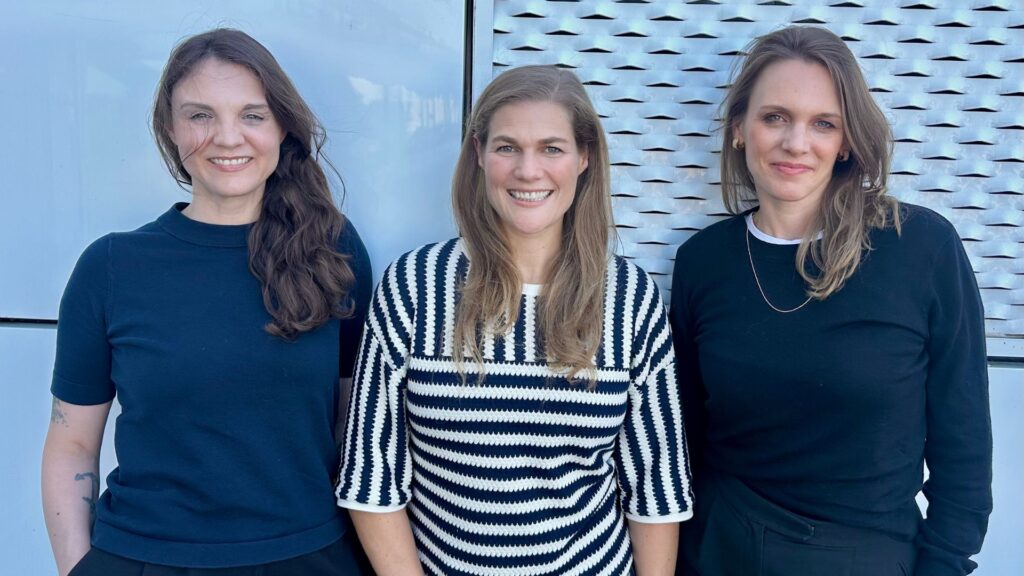
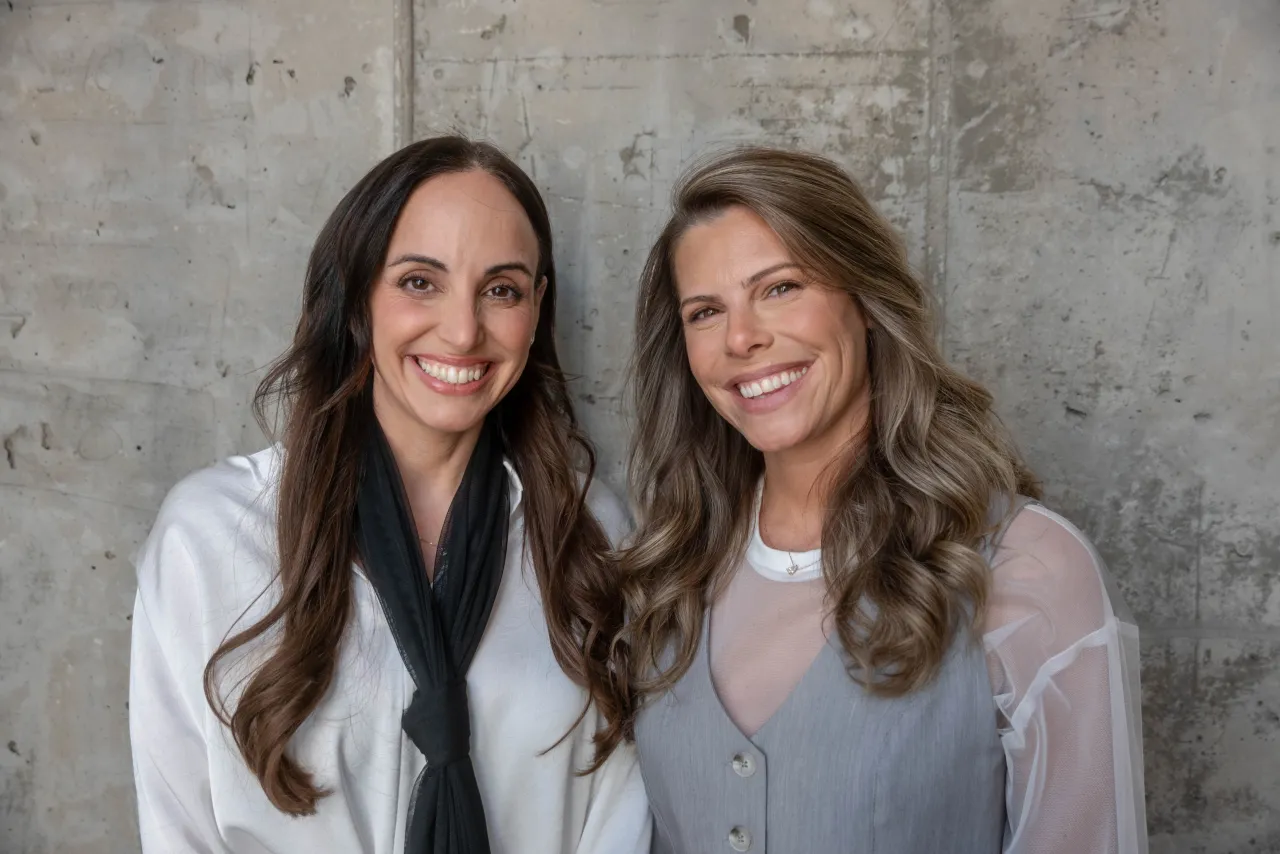
Aisel Health founder Augusta Klingsten Peytz (CEO) and Christian Houen (CPO)
Image credit: Aisel Health
Aisel Health, a Copenhagen based healthtech startup, has raised 1.7 million euros in a pre‑seed funding round to scale its clinical operating system built specifically for psychiatry. The round was led by Caesar Ventures, with participation from Nordic Web Ventures, LifeX, and Angel Invest, alongside returning backers Rockstart and EIFO, both of whom had already invested in the company prior to this round.
The company was founded in 2024 by chief executive Augusta Klingsten Peytz and chief product officer Christian Houen, who built Aisel around a problem they identified as distinct from what most AI documentation tools in healthcare are currently solving. Generic AI scribes have made rapid progress at speeding up the process of writing clinical notes during a session, but Peytz and Houen argue that psychiatry's real bottleneck sits elsewhere: finding and synthesizing information that already exists across a patient's history, rather than generating new notes faster.
That distinction shapes the entire architecture of Aisel's platform. Rather than functioning as a transcription tool, the system pulls together interview recordings, historical clinical records, and patient reported accounts, then synthesizes all of it into structured, contextual insights relevant to whichever moment of a consultation a clinician is currently in. Before a session, during it, and after it, Aisel is designed to surface everything documented about a patient without requiring the clinician to search manually across scattered files and previous notes, a task the company's internal research suggests can consume up to 60 percent of a psychiatrist's time before they even begin assessing the patient in front of them.
Peytz has been direct about why she believes psychiatry needed a purpose built approach rather than an adapted general medicine or wellness tool. "Psychiatry doesn't need more generic technology bolted onto an already overburdened workflow," she said. "It needs a product built around the realities of psychiatric care, where clinicians bring judgment, empathy, and years of trained intuition, and the technology brings the speed, structure, and ability to hold together every detail about every patient, in a way no human memory can."
Data handling has been treated as a core design constraint rather than an afterthought. Aisel says it does not have access to patients' underlying medical records directly and that patient data is never used to train its AI models. All data is stored and processed on secure servers located within Europe, structured to comply with GDPR and local data protection regulations, a positioning that matters significantly for a product operating in one of healthcare's most sensitive specialties.
Aisel's approach places it in a growing but still fragmented field of mental health focused AI startups, most of which have taken a noticeably different angle. London based Limbic has raised around 14.7 million dollars with a Series A led by Khosla Ventures, while UK based Thymia has raised 2.7 million dollars for gamified mental health assessments. Berlin based Likeminded, which secured 1.5 million euros, focuses on corporate wellness rather than clinical documentation. The more direct comparisons are JotPsych, which raised 5 million dollars for an AI behavioral health electronic health record, and Scribenote, which raised 8.2 million dollars for scribe tools in veterinary clinics, both of which remain centered primarily on faster note taking rather than the deeper information retrieval problem Aisel is targeting.
Caesar Ventures managing partner and general partner Carolin Gabor pointed to the scale of the problem and the specificity of the founding team's focus as central to the firm's decision to lead the round. "Few problems in healthcare are as large or as overlooked as psychiatry's, and few founders are as passionate about solving it the way Augusta and Christian are," Gabor said. "We're proud to lead this round, and look forward to supporting them to deliver the next generation of technology for psychiatry."
Aisel is already working with private psychiatric clinics in Denmark and has established research partnerships with Region H, part of the Danish public healthcare system, and the University of Southern Denmark, giving it both commercial traction and academic grounding as it prepares its next phase of growth. With the new capital, the company plans to expand its clinical and engineering teams while funding its entry into the UK market, where it is already building an active commercial pipeline of private psychiatry providers ahead of a planned seed round.
The round adds to a broader pattern of investors increasingly backing specialized, workflow specific AI tools in mental healthcare rather than horizontal platforms adapted after the fact for psychiatric use. With demand for psychiatric care continuing to outpace available clinical capacity across much of Europe, Aisel's bet is that meaningfully compressing the time clinicians spend navigating fragmented patient information, rather than simply typing notes faster, is where the more durable gains in capacity are likely to be found.
Topics
Sources
Stay informed
Startup news in your inbox
Get important funding rounds, founder stories, and startup updates.
No spam - only important startup updates.