Unit1 Studio Raises £20M To Make Avatar Concerts Cheaper
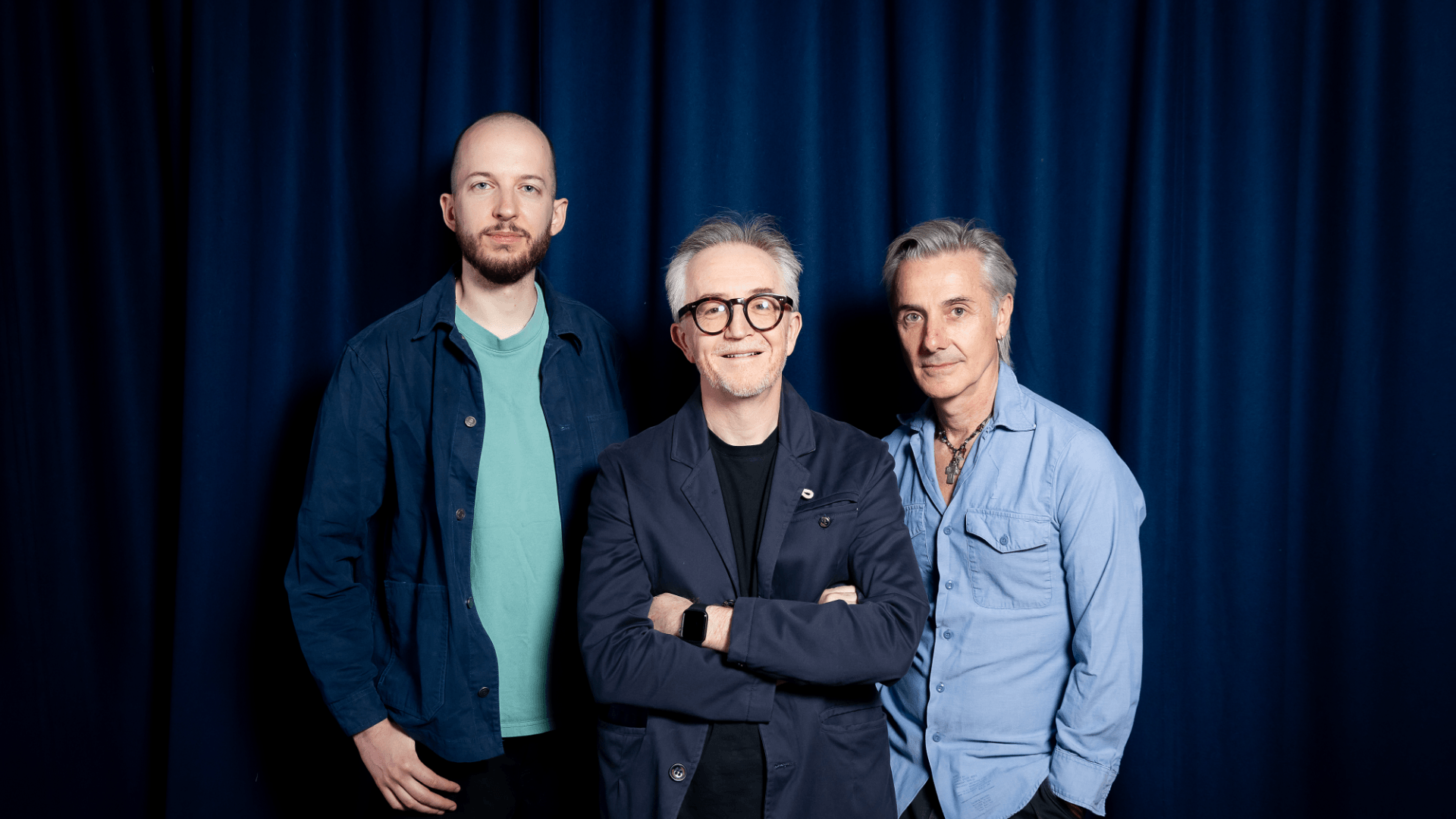
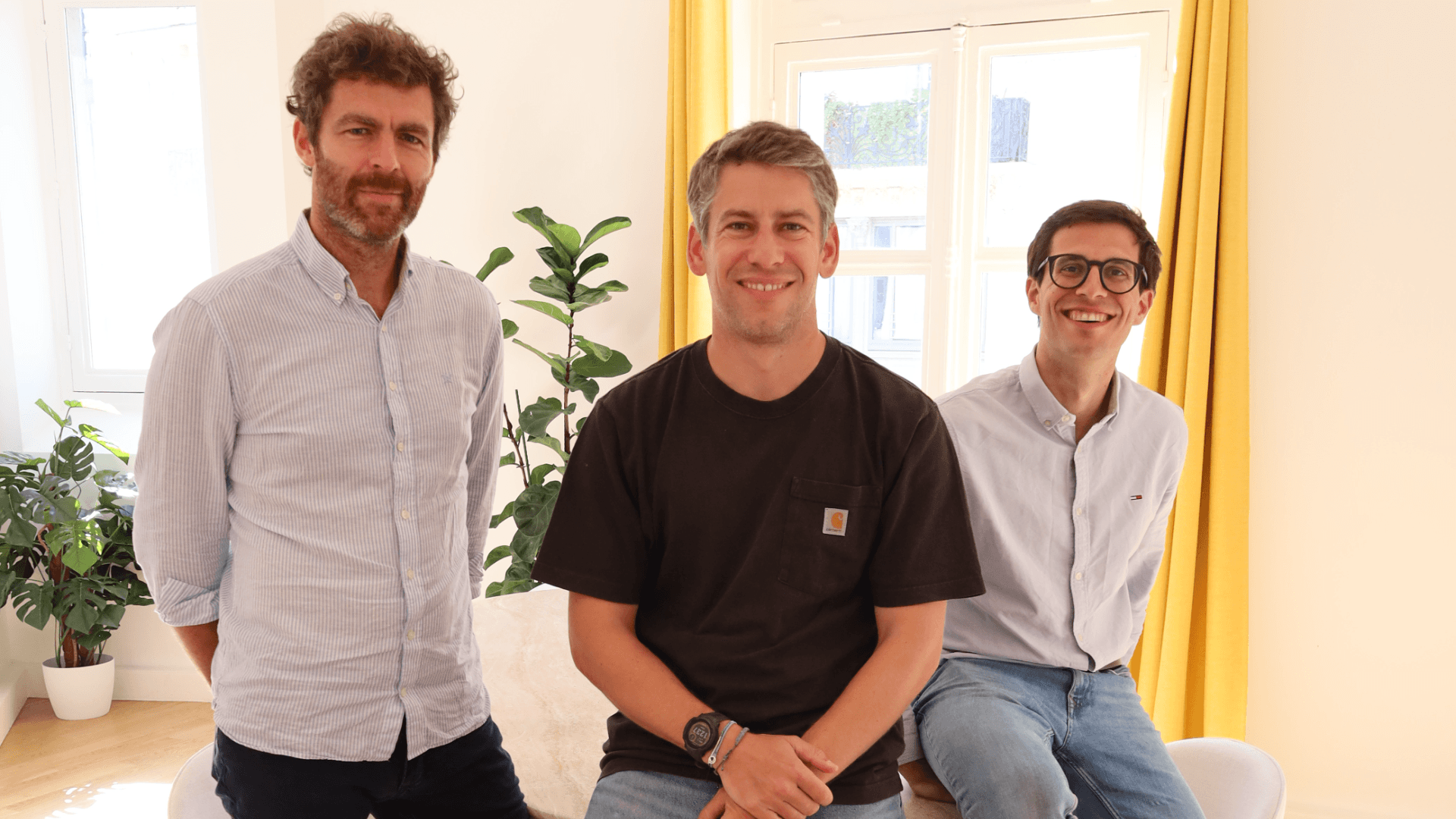
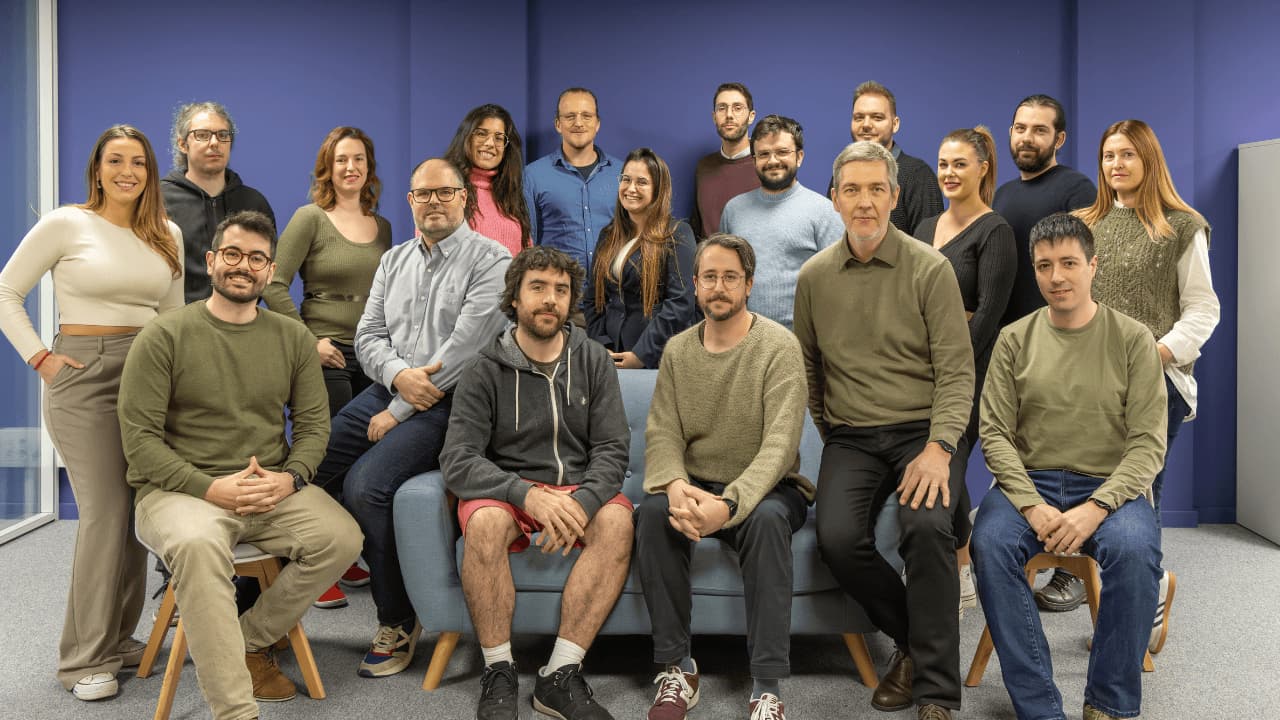
Unit1 Studio team
Image credit: Unit1 Studio
Unit1 Studio, a London based company building mixed‑reality avatar concerts, has raised 20 million pounds to scale technology it says can finally make the genre commercially viable beyond the single, purpose‑built venue model that has defined it since ABBA Voyage opened in 2022.
The round combines an oversubscribed equity investment led by Balderton Capital with additional production financing earmarked for concerts already in development. Existing investors Mercuri, Gilston Music and Paul McGuinness, the longtime manager of U2, also participated. The raise brings Unit1 Studio's disclosed funding to roughly 23.3 million euros in pound and euro terms combined across its equity and production financing components.
Unit1 was founded last year by chief executive Barney Wragg, an entertainment executive who spent five years running Andrew Lloyd Webber's Really Useful Group, the company behind Cats and Evita, and who has also held senior roles at AEG, EMI and Universal Music Group. That background across live entertainment, music rights and touring gives Wragg a fairly direct view of the specific economic problem Unit1 is built to solve, since ABBA Voyage, despite selling more than three million tickets since it opened in London, reportedly cost around 140 million pounds to produce and remains tied to a single, purpose‑built arena, an economic structure that has discouraged other artists and rights holders from attempting anything similar at scale.
Unit1's answer is a production and technology approach designed to develop avatar shows at a fraction of that cost and, critically, to make a finished show relocatable between venues rather than fixed to one purpose‑built space. The company has already demonstrated that relocation capability in practice, moving a demo production built around a digital version of singer‑songwriter KT Tunstall from Brompton Technology's testing facility in Gunnersbury, west London, to a new permanent studio at Tileyard London. According to Unit1, the entire physical show, including the screens, was transferred and fully reconfigured to match the new venue's lighting and acoustics in just four days, a timeline the company is presenting as proof that its technology can support genuinely portable, potentially even simultaneous, productions across multiple locations rather than requiring each show to be built from scratch for a specific space.
The productions themselves combine CGI avatars performing on high‑definition LED screens with real musicians playing live instruments on stage alongside the digital performers, extra lighting and sound layered around both. Unit1's stated ambition covers two distinct categories of artist, living performers who are no longer able or willing to tour, and the estates of musicians who have died, with those latter productions built through a mixture of archive footage and hired actors or musicians who resemble or can play like the original artist, blended together into a single performance.
Daniel Waterhouse, general partner at Balderton Capital and an early investor in Spotify, has framed the firm's decision to back Unit1 around the specific economic barrier the company is trying to remove, arguing that avatar concerts have effectively been locked behind ABBA Voyage's one‑off, one‑location economics, and that Unit1's technology could open the genre up to a whole generation of legacy artists who have not had a realistic route into it until now. Wragg has echoed that framing directly, describing Unit1's mission as expanding the connection between fan and artist regardless of time or geography, and arguing that the combination of cheaper production technology, this new financing and a growing team now makes it possible to develop shows for artists and fans in multiple markets at once rather than one country at a time.
The new funding will go toward research and development, securing intellectual property, and negotiating licensing deals with artists and their estates, agreements that carry particular sensitivity in this category given how audiences have previously reacted to digital resurrections of deceased performers. Plans to create a life‑size AI‑powered avatar of the late Black Sabbath frontman Ozzy Osbourne, for instance, drew criticism from fans who described the idea as disrespectful, underscoring the reputational and consent‑related risks that come with recreating an artist who cannot approve of how their image is used. Unit1 has not yet disclosed which artists it is working with, saying announcements will follow once tickets for specific shows go on sale.
Unit1 enters a category that already includes several other players pursuing digital and hologram‑based recreations of artists through different technical approaches, including Base Hologram, which has toured hologram shows featuring Roy Orbison, Buddy Holly and Whitney Houston, and Eyellusion, known for a touring hologram of Ronnie James Dio. What differentiates Unit1 within that field is its specific focus on cost reduction and relocatability as the core technical achievement, betting that the harder problem holding the genre back was never audience appetite, which ABBA Voyage has already proven at scale, but the economics and physical inflexibility of building a show that only exists in one place. Whether Unit1's claimed cost and portability advantages hold up once its first fully commercial, publicly named productions go on sale, rather than remaining demonstrated only through an internal test show, will likely determine how much of that broader legacy artist opportunity the company is actually able to capture.
Topics
Stay informed
Startup news in your inbox
Get important funding rounds, founder stories, and startup updates.
No spam - only important startup updates.