Niteshift Raises $7 Million Seed Round Led by Greylock to Build the Cloud Infrastructure Layer for AI Coding Agents
New York‑based Niteshift has raised $7 million in a seed round led by Greylock, with participation from Amplify Partners, BoxGroup, and SV Angel. The company simultaneously launched the general availability of its full‑stack cloud platform for AI coding agents on June 10, 2026, following an earlier waitlist period. Alongside the institutional investors, the round includes backing from a notable group of angel investors: LinkedIn co‑founder Reid Hoffman, Datadog co‑founders Olivier Pomel and Alexis Le‑Quoc, Ankur Goyal of Braintrust, and Misha Laskin of Reflection AI, as well as current and former executives at Anthropic, Google Cloud, and Slack.
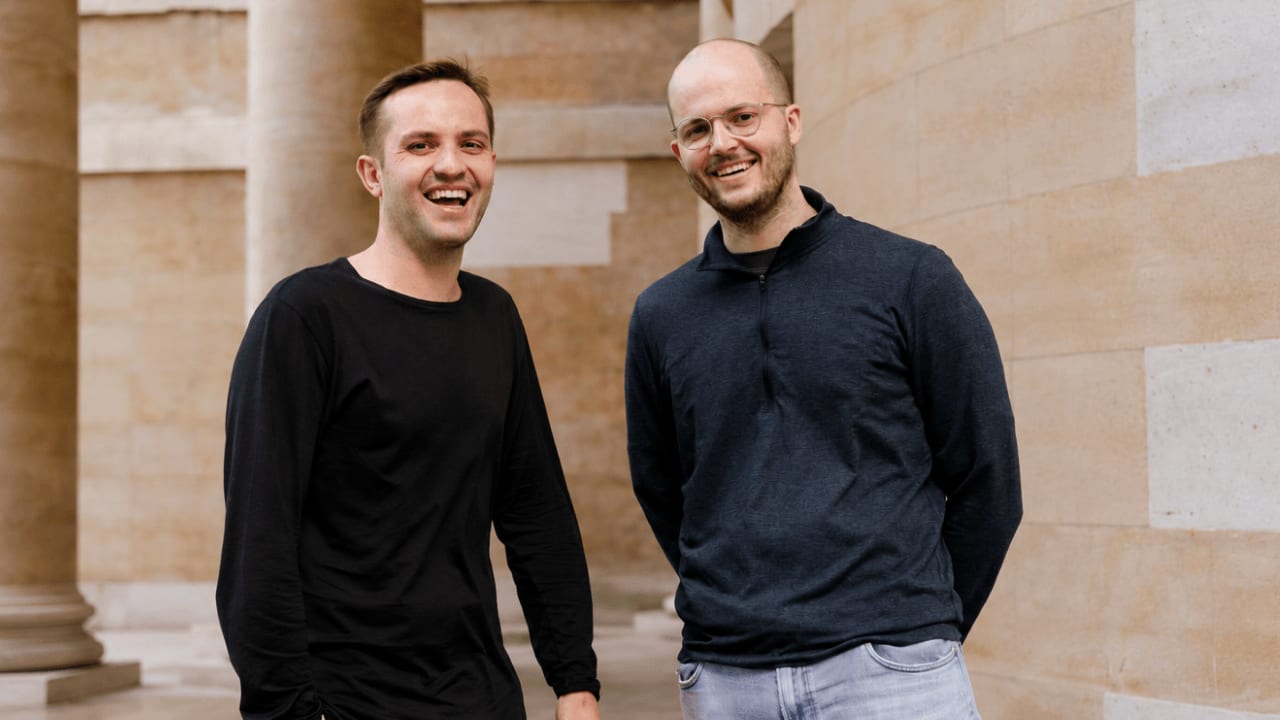
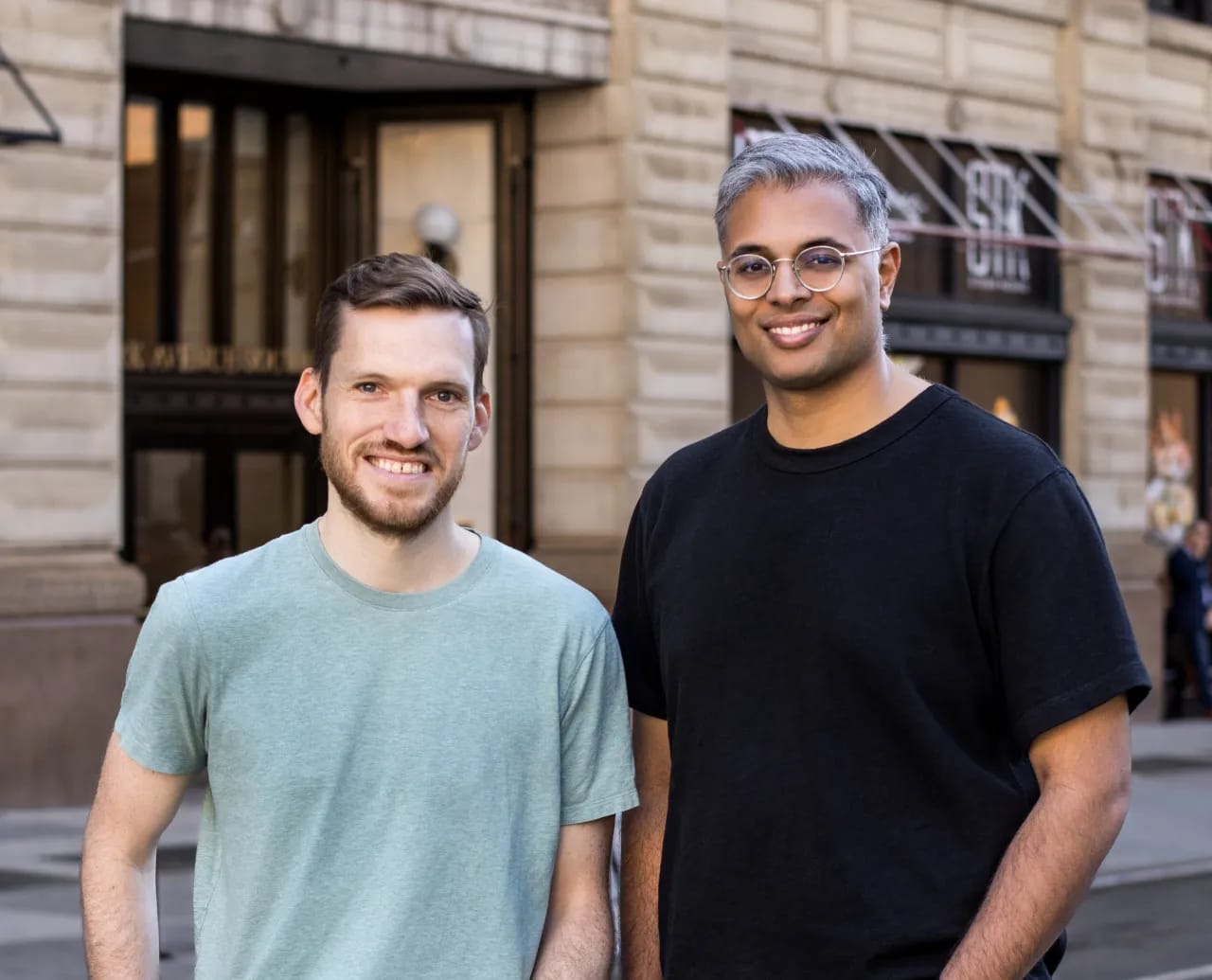
The company was founded by Sajid Mehmood and Conor Branagan, who spent nearly a decade at Datadog building infrastructure and developer tooling for cloud‑native software teams before leaving to start Niteshift. Their thesis, developed while watching AI coding adoption accelerate at firsthand, is that the market needs a platform layer specifically built for AI‑native software development at scale, one that no frontier AI lab has an incentive to provide.
The Problem Niteshift Is Solving
AI coding agents have moved from a developer curiosity to a production reality for a growing number of software teams. Tools like Claude Code, GitHub Copilot, and OpenAI's Codex can write, review, and modify code with increasing reliability. The ecosystem is growing fast. But it has a structural gap.
Today, when a company uses an AI coding agent, it is typically running that agent directly within the environment provided by the model creator, whether that is Anthropic, OpenAI, or another frontier lab. Source code, the most sensitive and proprietary asset most technology companies own, is handled within an infrastructure layer the company does not control. Mehmood has compared this to the dynamic that made many retailers reluctant to use Amazon Web Services in the early days of cloud computing. When the infrastructure provider is also your most direct competitor in your core business, dependency on their platform is a strategic risk.
Niteshift's argument is that companies should be able to use AI coding agents without tying themselves to the infrastructure of the companies that build those models. The platform provides a neutral layer between the engineering team and the AI models, routing tasks between different models based on project needs, managing the execution environment, and verifying that AI‑generated code actually works before it becomes a pull request.
What the Platform Does
Niteshift is a full‑stack cloud platform for AI coding agents. Engineering teams can launch agents directly from the tools they already use, including Slack, Linear, and GitHub. Multiple agents can run in parallel across different tasks. The platform generates pull requests with attached verification artifacts, giving reviewers evidence that the AI‑generated code has been tested in a real environment, not just produced and submitted.
This last point is significant. The single biggest practical obstacle to deploying AI coding agents at scale in production environments is not the quality of the code the model writes in isolation. It is the reliability of the output once it runs in context, against real dependencies, in a real environment. Niteshift gives coding agents a real environment in which to verify their work before that work reaches human review, which is what makes the shift from AI‑assisted coding to AI‑native engineering practically viable rather than theoretically appealing.
The business model reflects the infrastructure framing explicitly. Niteshift does not sell tokens or subscriptions based on model usage. It sells cloud infrastructure, charging per minute of usage, in the same way that Amazon Web Services, Google Cloud, and Microsoft Azure sell compute. The unit economics are different from model providers, and the relationship with the customer is different too. Niteshift's customers are buying execution environment and orchestration reliability, not AI capability.
The Greylock Thesis
Jerry Chen, partner at Greylock and lead investor in the round, has spent years articulating a framework for how AI creates competitive advantage in enterprise software. His decision to back Niteshift reflects a specific view on where the AI coding market is heading. As frontier labs extend their software further up the stack, building more of the tooling, the IDE integrations, and the development workflow themselves, developers and enterprises face an increasingly concentrated dependency on a small number of providers.
Chen's thesis is that there is a durable opportunity for a platform that unbundles the agent from the infrastructure it runs on. Companies that want to invest deeply in their developer tooling, and in the AI‑native workflows that will define software engineering over the next decade, should not have to accept the terms of a single model vendor to do it. Niteshift is the infrastructure that makes that choice possible.
Chen described Mehmood and Branagan as founders who have been at the forefront of developer tools throughout their careers, from cloud to mobile to AI, and said their knowledge combined with what he called an obsession for shipping fast makes them the right team for this moment.
Key details about the round and company:
- Seed round: $7 million, announced June 10, 2026
- Lead investor: Greylock (Jerry Chen)
- Other investors: Amplify Partners, BoxGroup, SV Angel
- Angel backers: Reid Hoffman, Olivier Pomel, Alexis Le‑Quoc, Ankur Goyal, Misha Laskin
- Founders: Sajid Mehmood (CEO) and Conor Branagan
- Business model: per‑minute cloud infrastructure pricing, not token‑based
- Platform integrations: Slack, Linear, GitHub
The $7 million is modest by the standards of an AI sector that routinely produces nine‑figure seed rounds. But the investor quality, the angel roster, and the clarity of the infrastructure‑layer thesis make Niteshift one of the more considered early‑stage bets in the AI developer tools space this year. Whether the vendor‑neutral platform argument proves to be a durable competitive position depends on how aggressively frontier labs move to control the full development environment. If they do, the case for Niteshift gets stronger, not weaker.
Stay informed
Startup news in your inbox
Get important funding rounds, founder stories, and startup updates.
No spam - only important startup updates.
Comments
Text only. No links or images.
No comments yet.